
Lavender Festival 2026: Kashmir’s Purple Revolution Opens New Doors for Farmers, Tourism, and Rural Economy


Shoiab Mohmmad Bhat
“Kashmir’s lavender fields have the potential to become global tourism attractions, where agriculture and tourism grow hand in hand.”
The sweet smell of blossoming lavender filled the air at the Model Floriculture Centre, Nunner, Ganderbal. The event brought together farmers, agricultural scientists, entrepreneurs, students, and government officials. Stalls displaying lavender plants, essential oils, soaps, perfumes, candles, herbal products, and cosmetics attracted visitors throughout the day. The interactions with experts gave farmers practical insights into cultivation, harvesting, processing, and marketing.
The growing success of lavender farming proves the need for diversification in the agricultural sector in Jammu and Kashmir. Lavender is a lucrative aromatic plant that provides huge prospects for the growth of the rural economy through innovation and value addition. The linkages of agriculture to tourism, industries, and entrepreneurship would create additional sources of income for farmers.
A Growing Purple Revolution
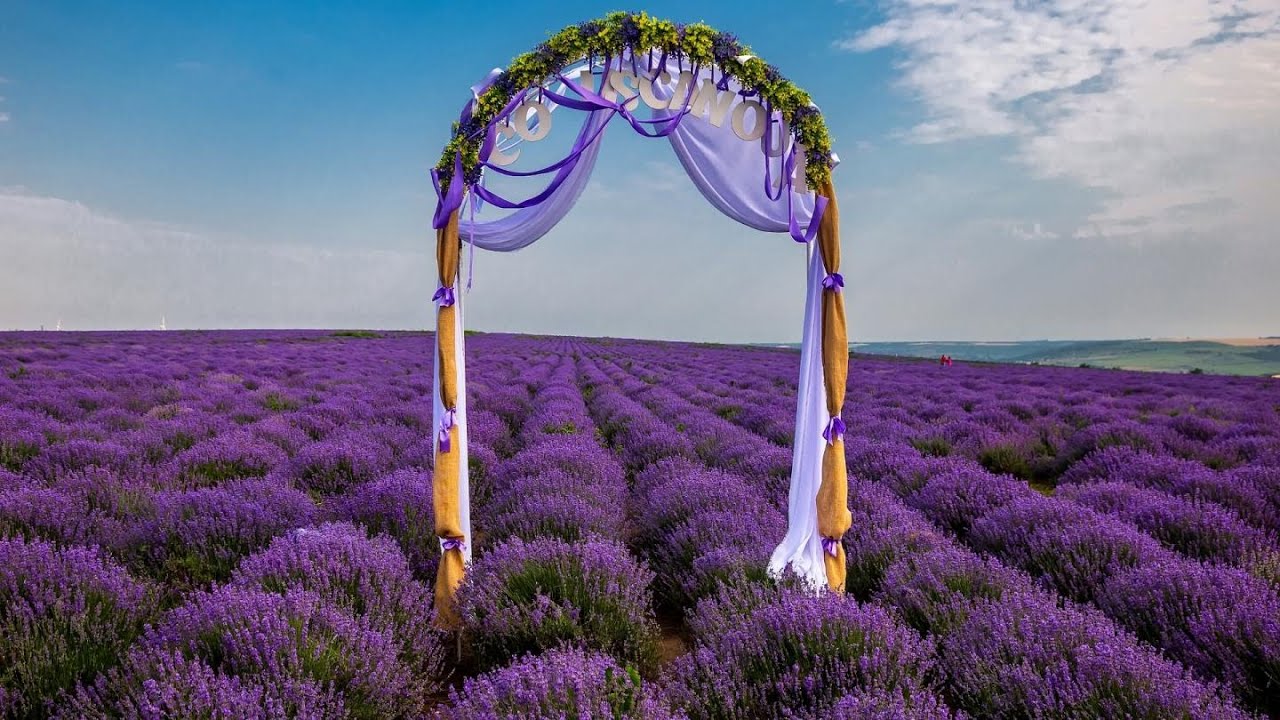
Only a few years ago, lavender cultivation was limited to a handful of experimental farms. Today, fields of purple blossoms can be seen in several parts of Jammu and Kashmir. Supported by scientific research, government initiatives, and increasing public awareness, lavender farming has steadily gained popularity among growers looking for alternatives to traditional crops.
The success of lavender cultivation forms part of India’s expanding Purple Revolution, an initiative aimed at promoting aromatic crops and improving farmers’ incomes. The programme has encouraged growers to adopt scientific methods, access quality planting material, and establish links with markets where demand for lavender-based products continues to rise.
Unlike many conventional crops, lavender offers multiple sources of income. Farmers can sell fresh flowers, dried flowers, essential oils, planting material, or processed products. This flexibility makes the crop particularly attractive for small and marginal farmers seeking to diversify their earnings.
Economic Benefits for Farmers
The most important benefit of growing lavender is its high commercial value. Unlike other crops that have demand according to the seasons, lavender finds high demand in the production of perfumes, cosmetics, medicinal preparations, soap, candles, air fresheners, herbals and health items.
Essential oil of lavender flower holds a higher price compared to other agricultural products. Even a small patch of land under cultivation will be able to yield high profits scientifically. As the oil has a good shelf life, there is no need to sell the product immediately after harvest.
Another important feature is value addition. Instead of selling raw flowers alone, rural entrepreneurs can establish small processing units to manufacture essential oils, soaps, incense sticks, herbal teas, sachets, bath products, skin-care items, and handmade gifts. Such enterprises create additional employment opportunities for women, youth, and self-help groups while increasing local incomes.
Increased lavender production has also resulted in more investments from the private sector in processing, packaging, branding, and marketing of the lavender. The entry of more local business firms into this industry ensures that the gains from lavender farming extend beyond the farmers.
Health and Medicinal Uses
Lavender has long been known to have medicinal value. The essential oils of lavender are quite valuable in aromatherapy because of their soothing fragrance. Many individuals use lavender products as an aid to alleviating stress, insomnia, anxiety, and relaxation. Moreover, there is scientific evidence that the plant has antimicrobial, antifungal, and anti-inflammatory qualities. It is widely used in skin care products, massage oils, shampoos, soaps, and cosmetic preparations. Due to its pleasant smell, it is one of the most popular natural products in the world of wellness.
Although lavender is not a substitute for medical treatment, its growing popularity in natural health and wellness markets has significantly increased demand for lavender oil and related products across the world.
A Boost to Agri-Tourism
In addition to agricultural uses of lavender, it has brought about opportunities for tourism in Jammu & Kashmir. During each blooming season, the picturesque violet landscape draws tourists, nature enthusiasts, photography students, and others who wish to witness a new attraction that is not part of the usual Valley tourist sites.
Tourists indulge in exploring the fields by walking around, clicking photos, buying the indigenous lavender-based products, and engaging with the local farmers. This brings in extra revenue for the local rural communities through homestay services, local cuisine, handicrafts, guided tours, and direct marketing of their agricultural products.
Many nations have effectively turned their lavender fields into internationally renowned tourism spots. It is believed that Kashmir also has the same potential due to its natural beauty and improved infrastructure.
Government Support
The government has continued to promote medicinal and aromatic plants through various programmes, including the Holistic Agriculture Development Programme (HADP). Farmers are being provided with technical guidance, improved planting material, training, and assistance for establishing nurseries and processing facilities.
Awareness programs along with demonstrations on the latest cultivation methods have been conducted by agricultural universities, research institutions, and extension services and have enabled the farmers to get an idea about the crop management, irrigation, pest management, harvesting process, and oil extraction processes.
The Lavender festival itself is acting as a liaison among researchers, policy makers, entrepreneurs, and cultivators and helps the participants in exchange of ideas and discussions on the latest technologies, which would help strengthen the sector further.
Enhancing the Sector for Its Further Development
As the process of lavender farming expands within Jammu and Kashmir, measures are being taken to improve the existing level of performance of the industry and gain even more benefits from it for the farmers. The progressive establishment of production plants will help farmers get their essential oil processed nearer to their farmsteads and increase efficiency and profits. An increased focus on marketing activities, good packaging, quality assurance, and better market links can increase the competitiveness of Kashmiri lavender products on domestic and international markets.
It should be noted that the preservation of high-quality standards will be critical for the future success of the industry. Given the fact that the quality of essential oils largely depends on their cultivation, harvesting and extraction, the use of scientific approaches and innovative technologies will help farmers produce high-quality products demanded on international markets.
The raising of awareness of entrepreneurs, investors, and consumers will contribute to the further development of the sector. With the proper cooperation of farmers, researchers, authorities and businesses, the lavender
Looking Forward
The Lavender Festival 2026 has clearly shown that agricultural production in Jammu and Kashmir is now gradually progressing beyond traditional agriculture. It was evident how innovations, scientific research, and governmental efforts could collaborate to generate sustainability as well as environmental conservation in this process.
Lavender has evolved beyond its role as an aromatic flower. It is a symbol of diversification, rural entrepreneurship, women’s involvement in regional industries, and increased linkages of agriculture and tourism. In addition, the introduction of value-added products will help generate sustainable economic gains within the region due to the Purple Revolution.
The success of lavender cultivation also sends an important message: with the right policies, scientific guidance, and community participation, agriculture can become a powerful engine of rural development. The purple fields of Kashmir are therefore not just beautiful landscapes; they represent hope, resilience, innovation, and a brighter economic future for thousands of farming families across Jammu and Kashmir.
Comments are closed.