

Abdul Basit & Suhail Khan
“Large stretches of the lake now lie covered with floating plastic bags, bottles, wrappers, weeds, and algae, reflecting a deeply disturbing reality where natural beauty is being overwhelmed by administrative indifference and unchecked human negligence.”
Manasbal Lake, long regarded as one of Kashmir’s most beautiful and ecologically significant freshwater lakes, is witnessing alarming environmental degradation as plastic waste, untreated sewage and unchecked pollution continue to choke its waters while authorities stand accused of failing to protect the fragile ecosystem despite repeated warnings and growing public concern.
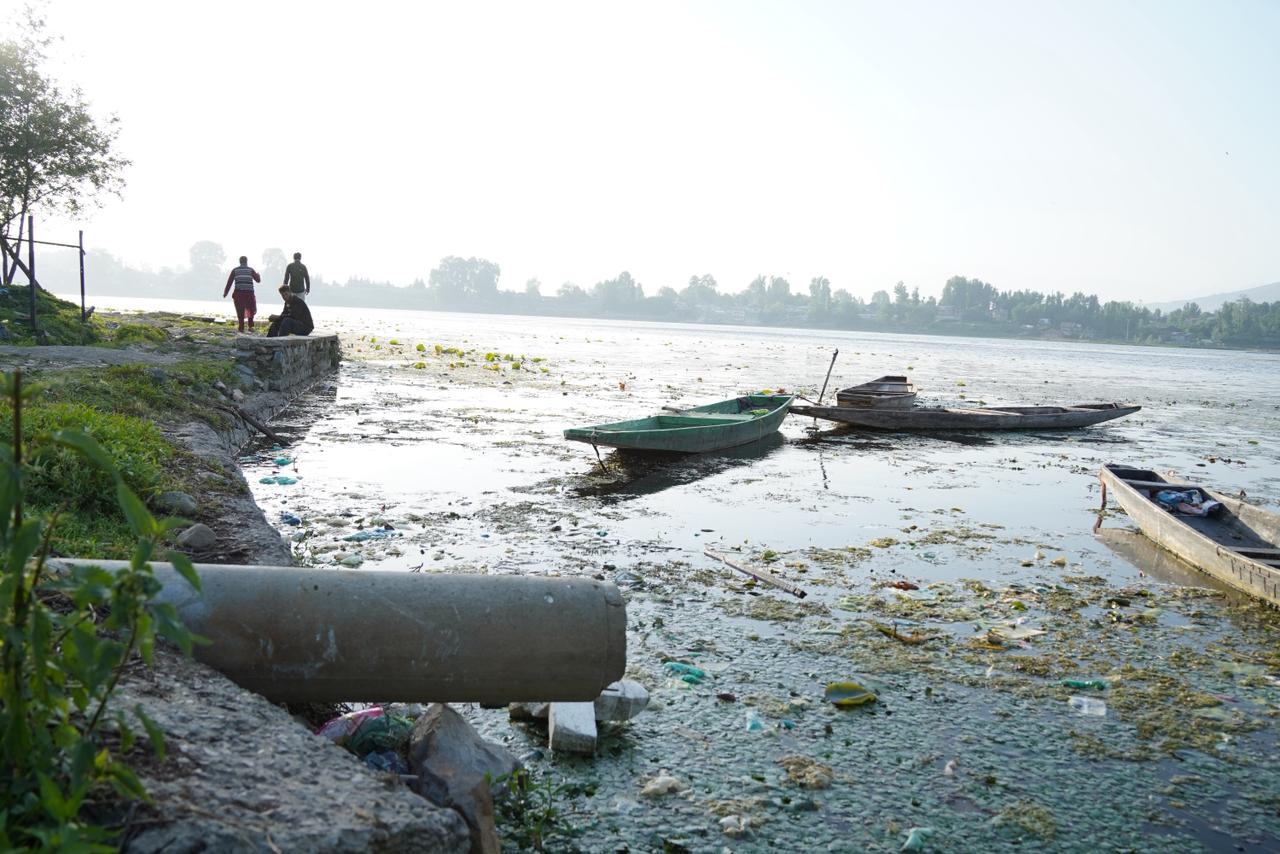
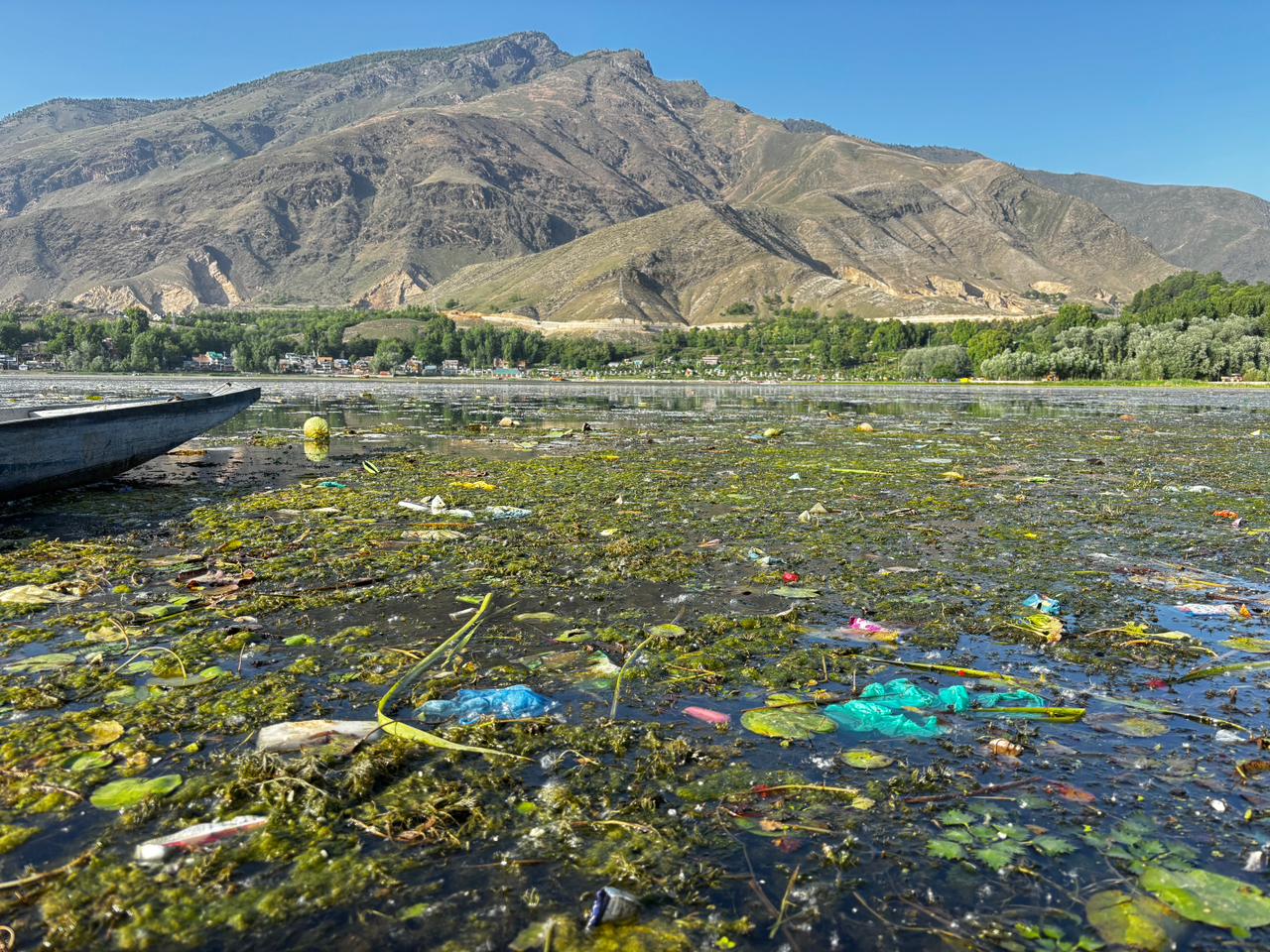
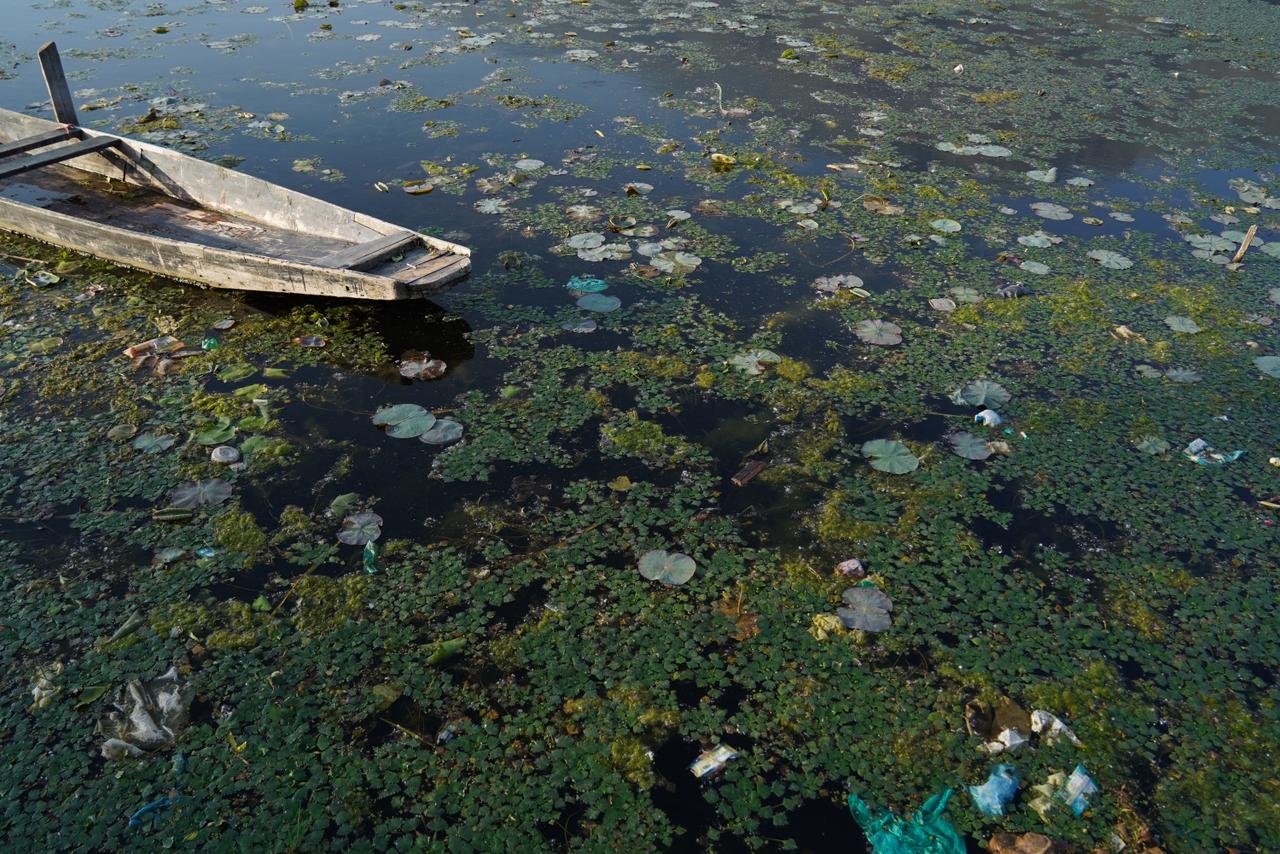
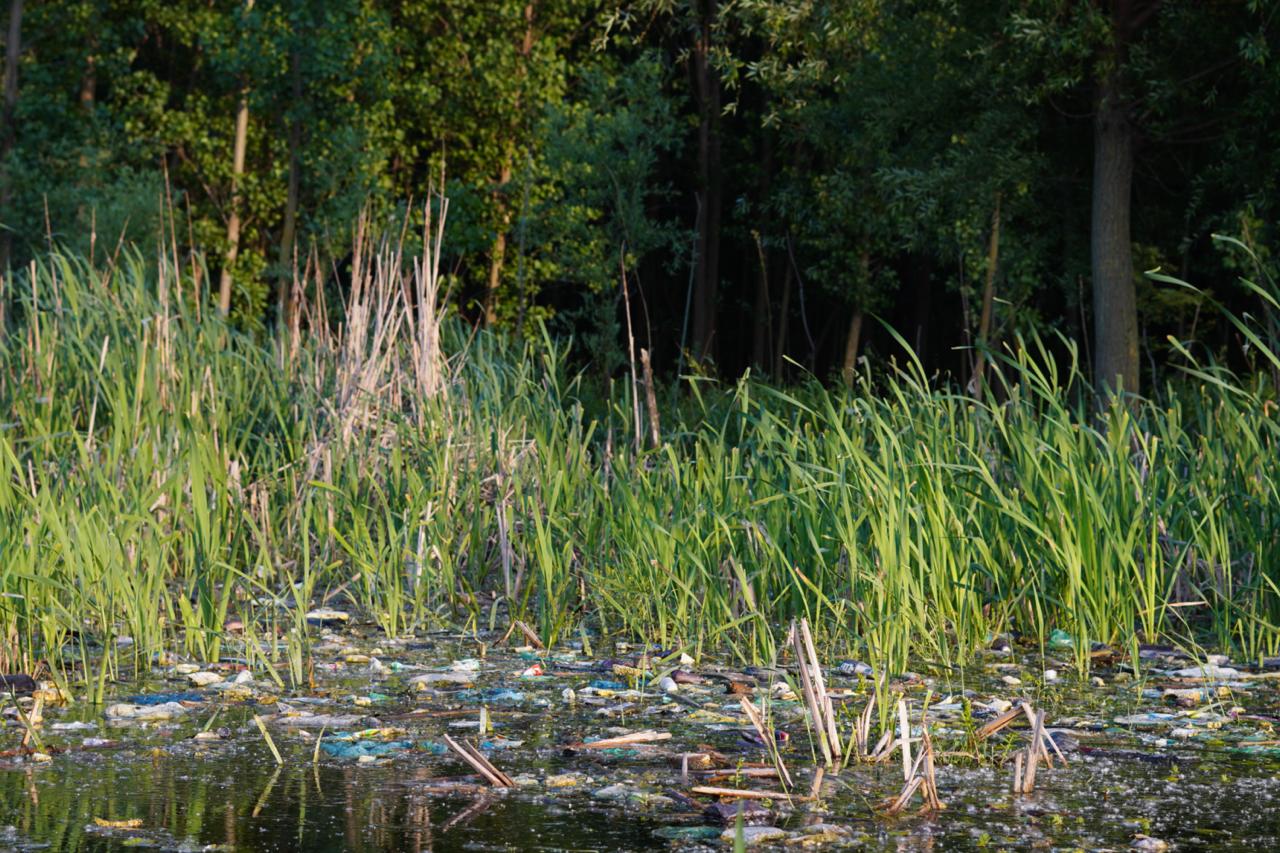
Fresh ground visuals from the lake paint a deeply disturbing picture. Large stretches of water are covered with floating plastic bags, wrappers, bottles and household waste, while dense layers of weeds and algae have spread across several portions of the lake surface. Wooden boats lie trapped amid the polluted waters, reflecting the rapid deterioration of a water body once celebrated for its crystal-clear appearance and natural beauty.
Environmentalists and local residents allege that the condition of the lake has steadily worsened over the years due to administrative negligence, weak monitoring mechanisms and the continued inflow of waste from nearby habitations. Locals claim that despite multiple departments being responsible for lake conservation and environmental protection, little meaningful action has been taken on the ground to stop the dumping of waste or regulate sewage discharge entering the lake.
The worsening pollution has also triggered serious public health concerns, as Manasbal serves as a drinking water source for thousands of people living in parts of Ganderbal and Bandipora districts.
While talking to Kashmir Convener, Environmental activist Dr Raja Muzaffar Bhat, who has repeatedly raised the issue before authorities and environmental forums, termed the situation extremely serious and warned that the continued neglect of the lake could have dangerous long-term consequences for both ecology and public health.
“Pollution in Manasbal lake is not only environmental violation but this is impacting the health of around 30,000 people as this lake is the drinking water source for several water supply schemes in Ganderbal and Bandipora districts. I am grateful to NGT for taking cognizance of this case as I have sought the intervention of Green Court,” he said.
Dr Muzaffar alleged that untreated sewage and solid waste from several nearby villages are entering the lake through connecting drains and canals, accelerating pollution levels and damaging aquatic biodiversity. He has also questioned the effectiveness of conservation measures being carried out by concerned departments, arguing that the ground reality reflects a clear administrative failure.
Residents living around the lake echoed similar concerns and accused authorities of acting only after public outrage or viral social media posts expose the deteriorating condition of the water body. Several locals said the pollution is visible throughout the year, yet there appears to be no sustained mechanism to prevent garbage dumping or regulate the flow of waste into the lake.
“Every year officials talk about conservation projects and restoration plans, but the condition keeps getting worse. Plastic waste keeps floating along the banks and weeds continue to spread. If authorities were serious, this situation would never have reached this level,” said a resident from the Safapora area.
Another local resident questioned how a lake considered among Kashmir’s major ecological assets could be allowed to deteriorate in full public view despite the involvement of multiple government agencies tasked with wetland protection and environmental conservation.
Environmental experts warn that continued accumulation of plastic waste and sewage inflow can severely damage the lake ecosystem through a process known as eutrophication, where excessive nutrients lead to uncontrolled weed growth, depletion of oxygen levels and gradual destruction of aquatic life. Experts say such pollution not only affects biodiversity and fisheries but also threatens water quality and increases health risks for populations dependent on the lake for drinking water supply.
The deteriorating condition of Manasbal has already drawn the attention of the National Green Tribunal, which recently sought reports regarding pollution and environmental degradation in the lake after concerns were raised by environmental activists. Observers say the intervention of the Green Tribunal itself reflects the seriousness of the crisis and the apparent failure of local authorities to adequately address the issue despite years of complaints.
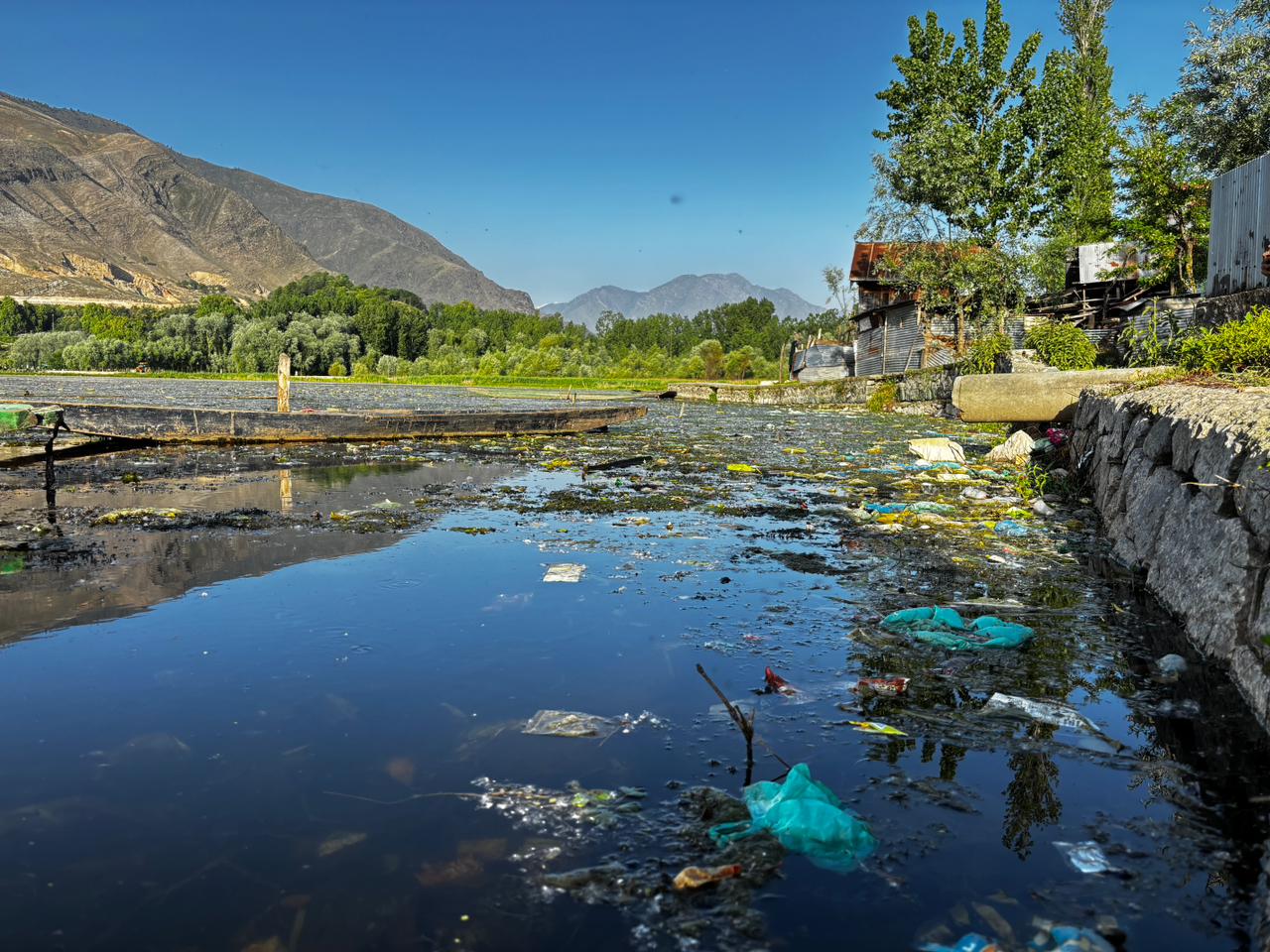
Environmental groups have also raised uncomfortable questions regarding the effectiveness of conservation spending and restoration programmes undertaken in the region. They argue that despite repeated announcements regarding lake preservation and ecological restoration, the visible condition of Manasbal suggests a lack of accountability, monitoring and long-term planning.
Questions are also being raised about the absence of strict enforcement against illegal waste dumping around the lake, the failure to establish effective waste collection systems near vulnerable zones and the lack of scientific management of sewage inflow entering the water body. Activists believe that periodic clean-up drives alone cannot restore the lake unless authorities address pollution at its source and implement strict environmental safeguards backed by regular monitoring and accountability.
Many locals fear that if urgent intervention is not undertaken, Manasbal may gradually suffer irreversible ecological damage similar to several polluted lakes across the country that lost much of their natural character due to unchecked urban waste, sewage discharge and official neglect.
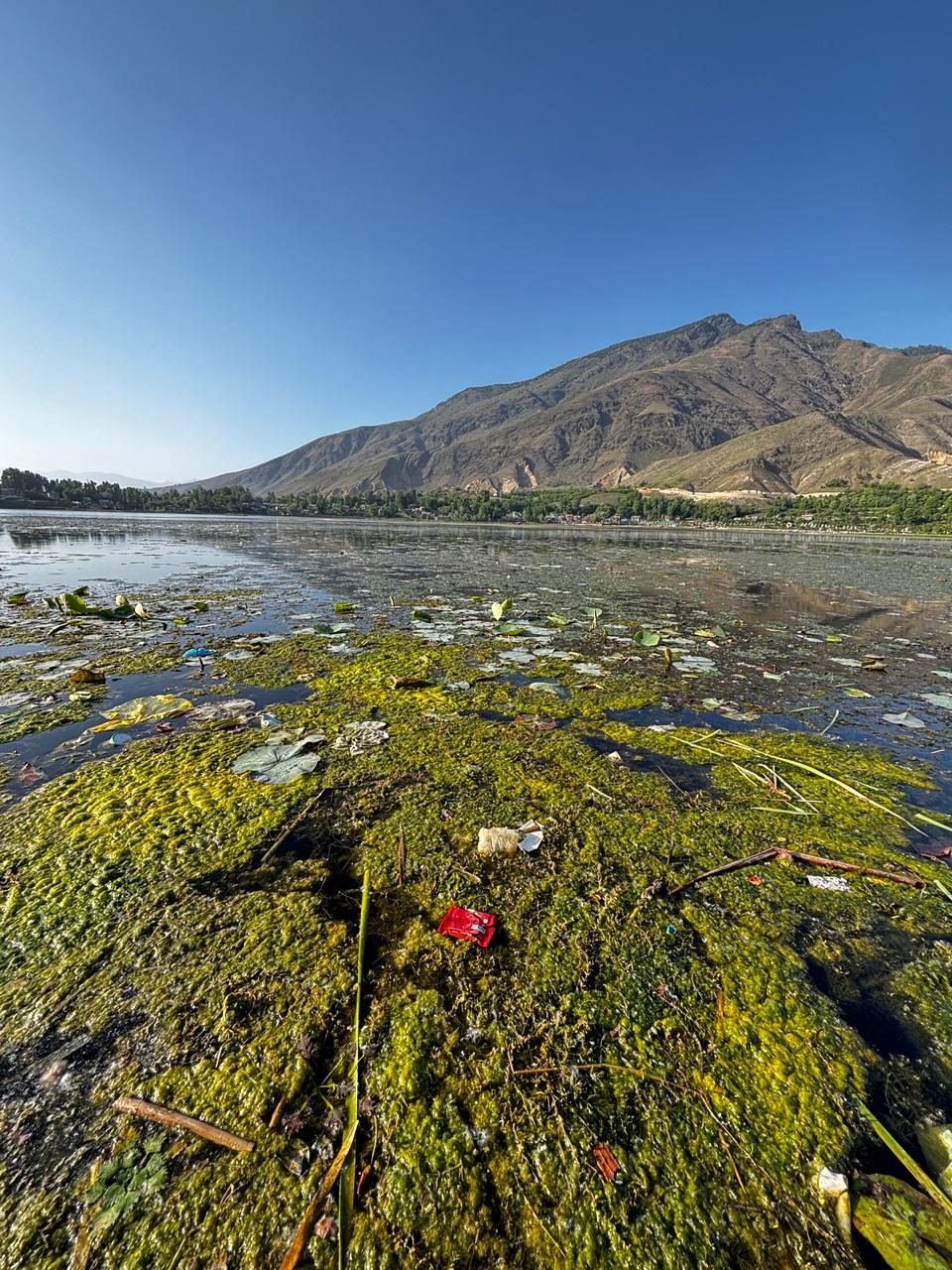
Surrounded by majestic mountains and breathtaking landscapes, Manasbal today stands as a painful contradiction — a symbol of Kashmir’s natural beauty slowly suffocating under plastic waste, pollution and administrative indifference.
Environmentalists and residents have now urged the Government of Jammu and Kashmir to immediately intervene, frame strict and time-bound measures for the protection of the lake and hold responsible agencies accountable for continued inaction before one of Kashmir’s most precious ecological treasures is pushed beyond recovery.
“The fading condition of Manasbal Lake serves as a warning not only for Kashmir but for society as a whole: when environmental responsibility is ignored for too long, even the most beautiful ecosystems can be pushed dangerously close to irreversible collapse.”
Comments are closed.