Chennai, September 18: A 13-member delegation of journalists from Kashmir on Friday morning visited the historic Wallajah Big Mosque, also known as the Triplicane Big Mosque, one of Chennai’s oldest Islamic monuments. The tour is organised by Press Information Bureau Srinagar
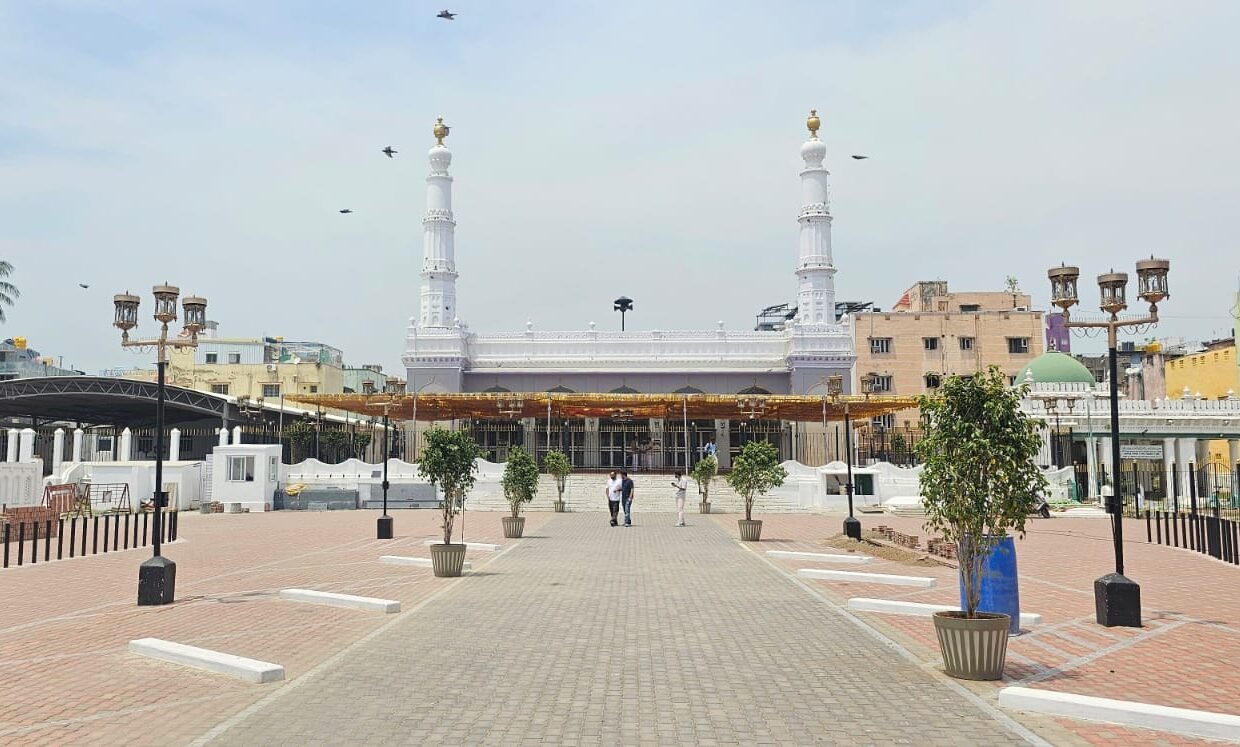
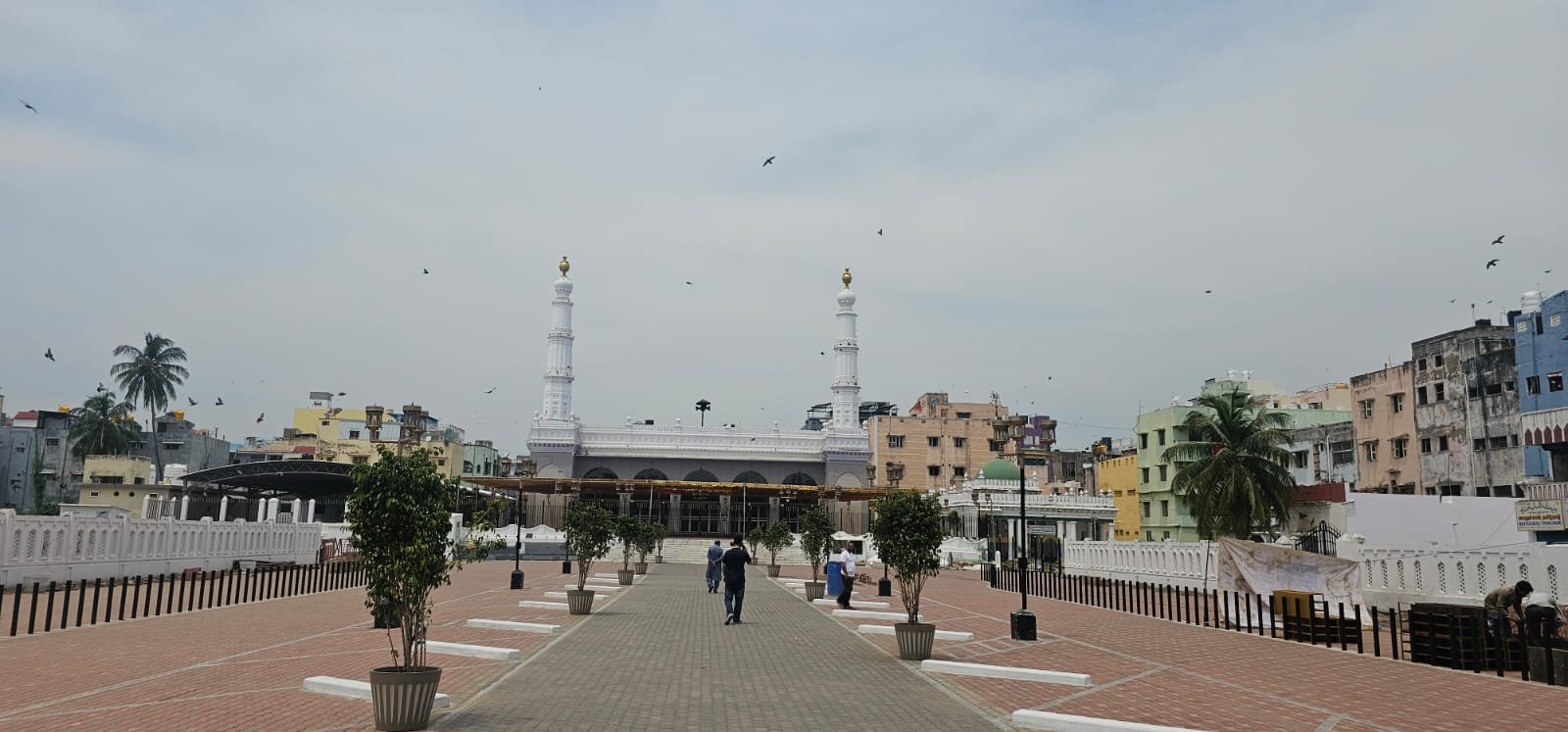
Located on Triplicane High Road in the historic Triplicane neighbourhood, the mosque was commissioned by Nawab Muhammad Ali Khan Wallajah, the Nawab of Arcot, and completed in 1795. The monument has remained an important centre of Muslim religious life in the city for more than two centuries.
The delegation was welcomed by the mosque’s caretakers, who briefed the journalists about its history and the various initiatives being undertaken for the welfare of the community.
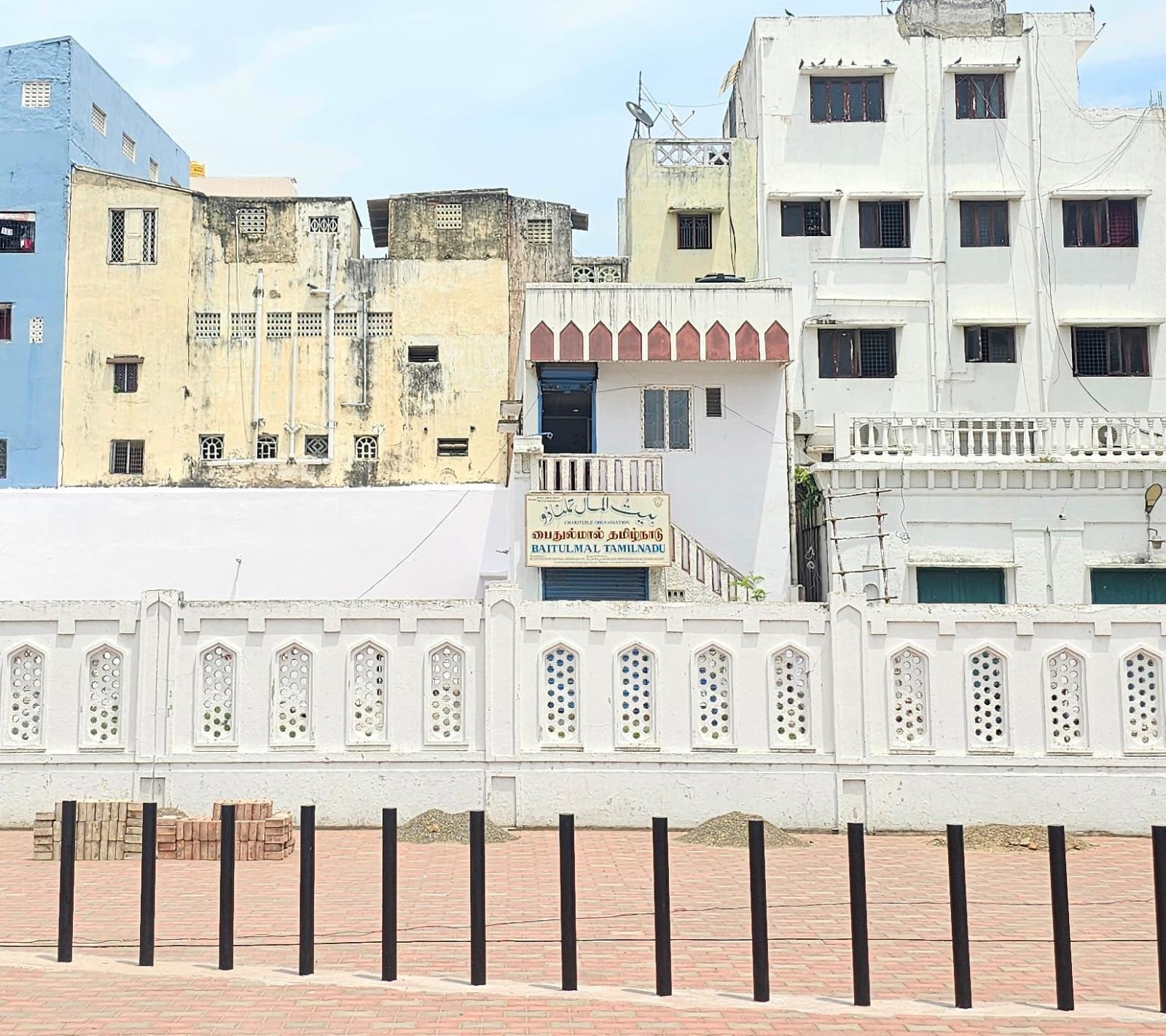
The caretakers said the mosque is involved in Islamic education for children and also runs a Bait-ul-Maal through which assistance is extended to underprivileged families, including scholarships for students.
The mosque is maintained and managed by the Prince of Arcot Endowments.
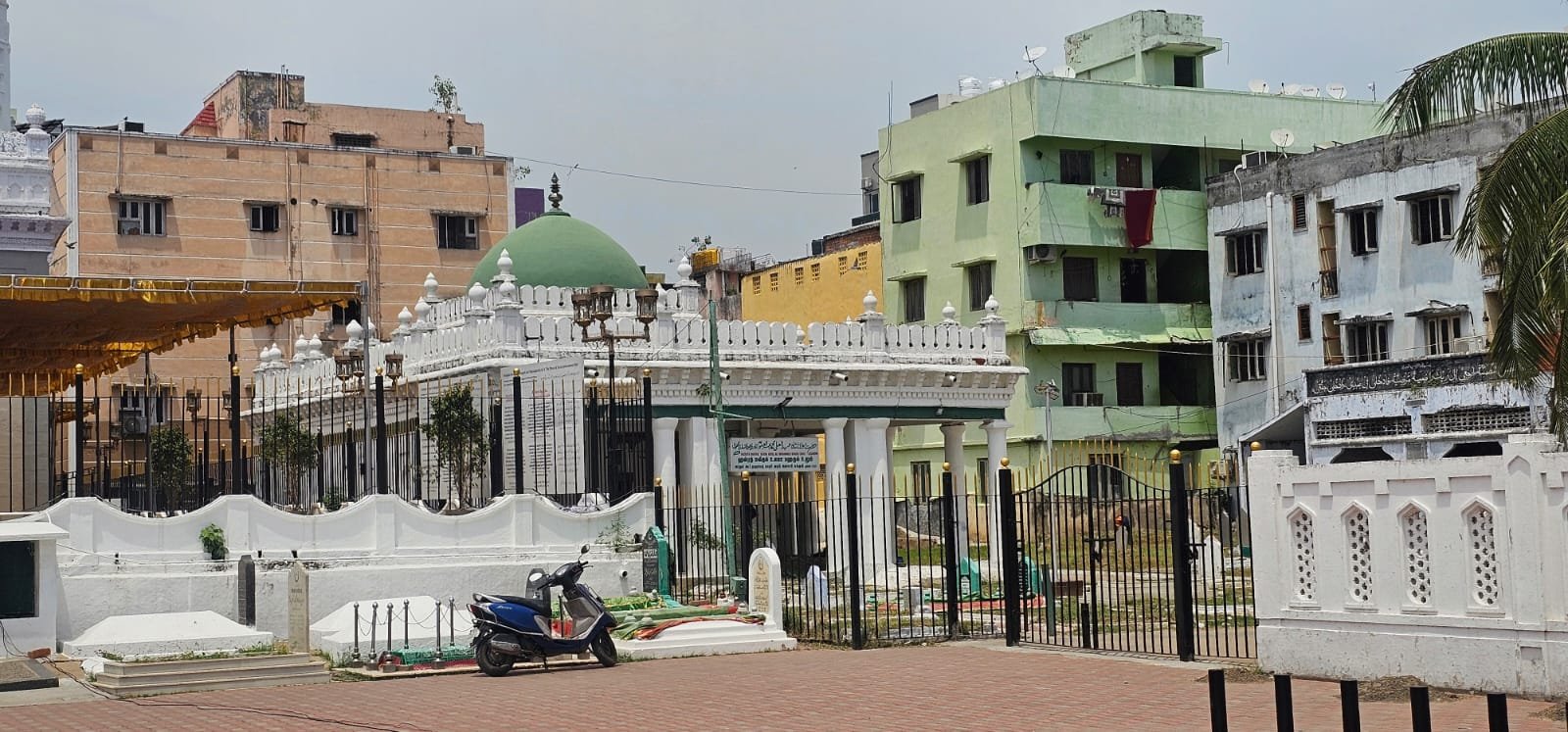
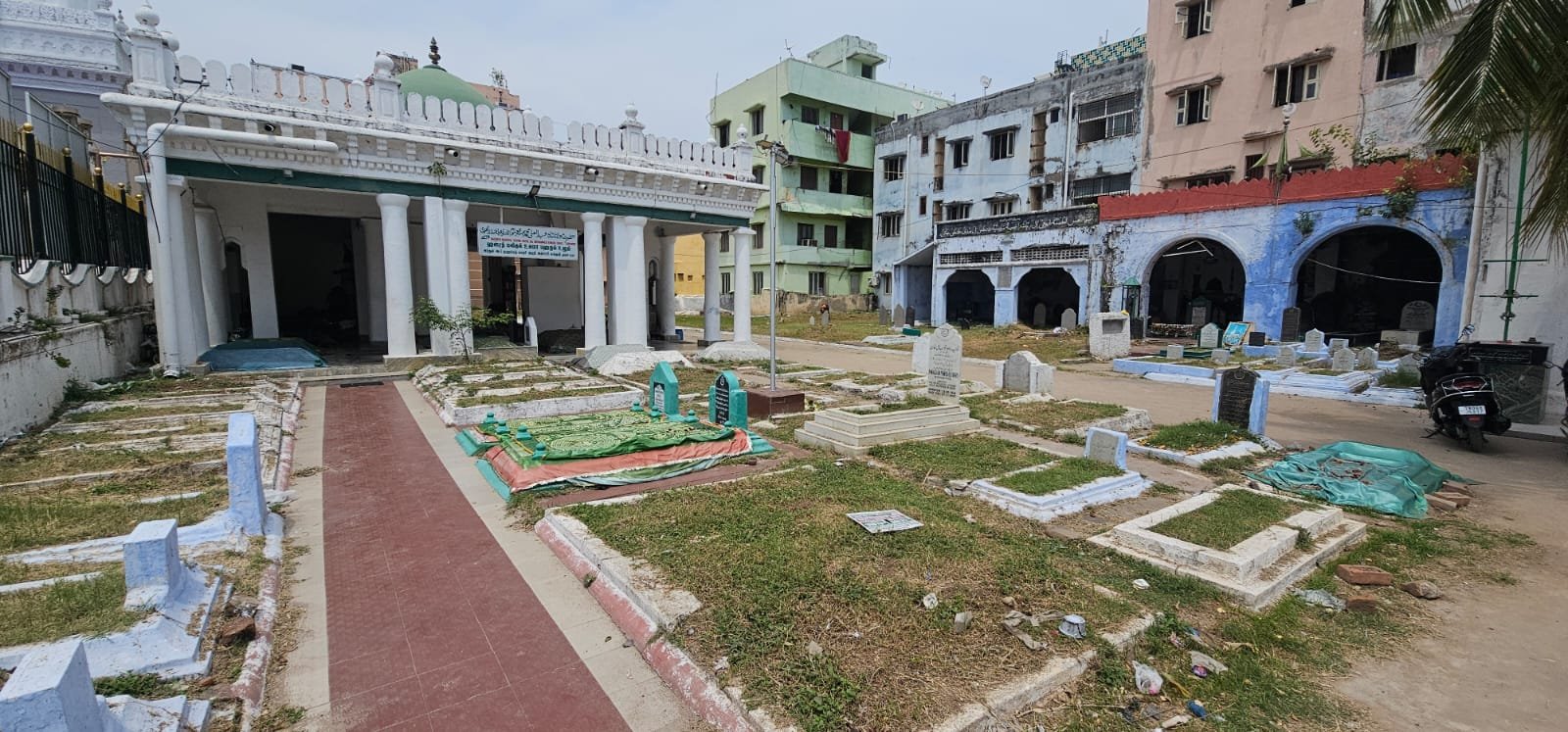
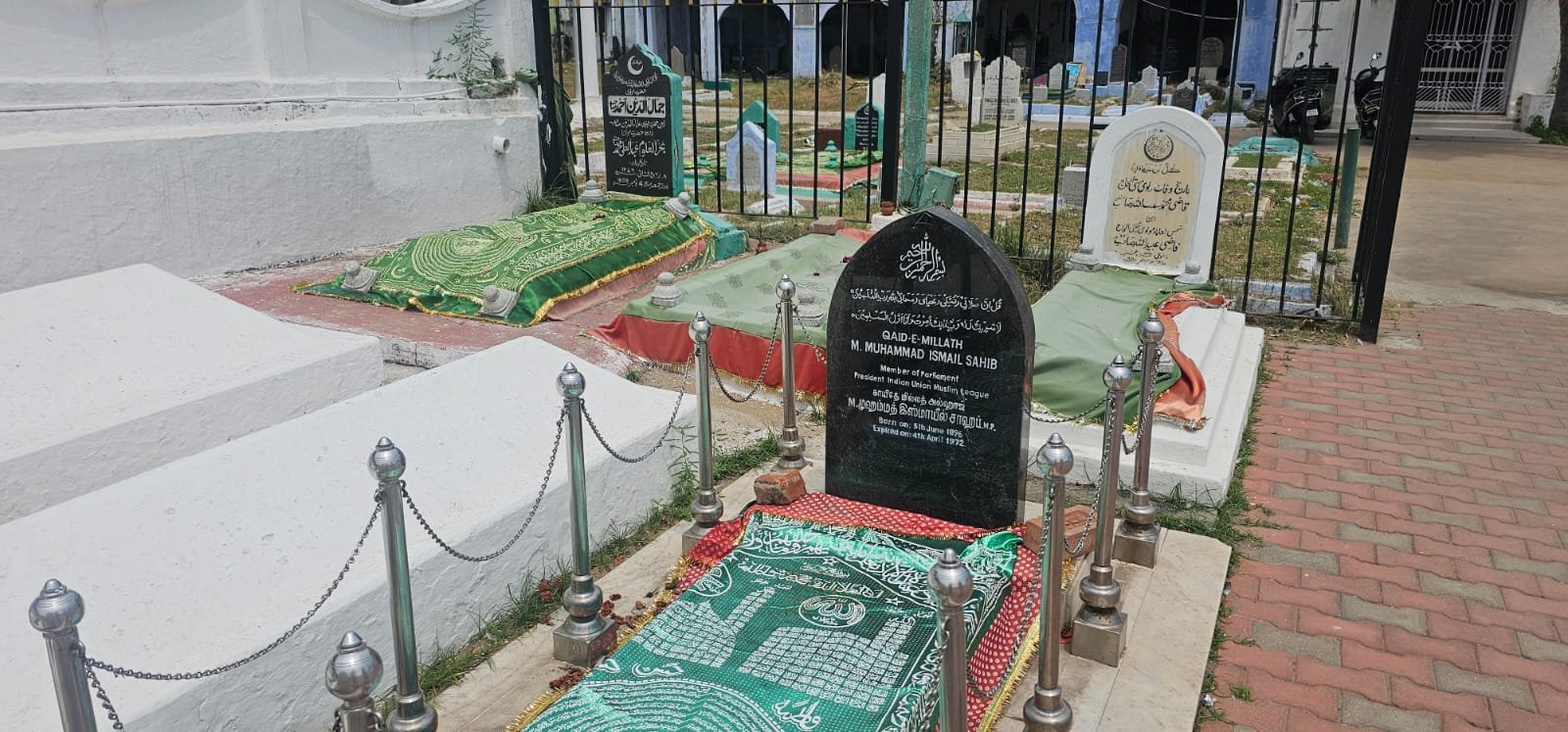
The delegation was also taken to the adjoining graveyard, where members of the Arcot Nawab dynasty are buried. The graveyard also houses the grave of Quaid-e-Millat Muhammad Ismail, a prominent Muslim leader and president of the Indian Union Muslim League.
The caretakers briefed the journalists about ongoing development and maintenance works at the mosque aimed at improving facilities and ensuring a smoother and more comfortable experience for worshippers.
The Wallajah Mosque is also noted for its distinctive architecture. Built predominantly of granite, the structure reflects strong Mughal architectural influences, particularly in its two minarets. Its construction is notable for the extensive use of granite rather than wood or iron.
A Persian chronogram associated with the mosque was composed by Raja Makhan Lal Khirad, a Hindu official serving in the Nawab’s administration. The inscription is associated with the area above the mihrab and reflects the cultural interactions of the period.
The visit provided the journalists an opportunity to see a historic monument that continues to function as a place of worship while also retaining its links with the social and cultural history of old Madras.


Comments are closed.