


Mohammad Aalim
“The devastating floods of 2014 exposed a dangerous truth: climate disasters become far more destructive when environmental mismanagement and unplanned urban growth weaken natural protective systems.”
Water and climate have always shaped life in Kashmir. The valleys, rivers, lakes, and snow capped peaks gave birth to its villages and fueled lush fields. People built their lives around streams, and cities grew up wherever water was plentiful. For generations, everything, from daily chores to farming, ran on the steady pulse of water. Now, that rhythm feels broken. The changes are not just numbers on a scientist’s chart anymore. They are crowding into homes and fields, touching everyone, whether it is farmers struggling with dry irrigation channels or families filling buckets when the taps go dry. Summers are hotter. Winters barely show up, and when they do, they vanish before you know it. Streams shrivel up when you need them most. Springs that anchored countless communities are fading or gone altogether. Suddenly, those endless water supplies everyone took for granted feel shaky. Climate change is not a distant threat for Kashmir. It is already nudging people into new routines and anxieties, making water security feel more fragile than ever.
A big part of this mess comes from declining snowfall across the Himalayas. Kashmir’s water system is not just about rivers. It depends deeply on winter snow. When spring rolls in, melting snow feeds the rivers, fills lakes, and seeps underground. Older generations remember winters where snow buried everything for months, acting like nature’s savings bank. That has changed. The snow does not stick around. Some seasons pass with barely a flake. Rivers drop when farmers need water most. Glaciers up in the mountains are shrinking fast. Scientists keep sounding the alarm. Himalayan glaciers are melting faster than just about anywhere else. This throws all kinds of uncertainty onto farming, especially for those who rely on old irrigation channels. Apple orchards, paddy fields, and vegetable plots now face unpredictable water supplies. The traditional cycles people counted on are gone.
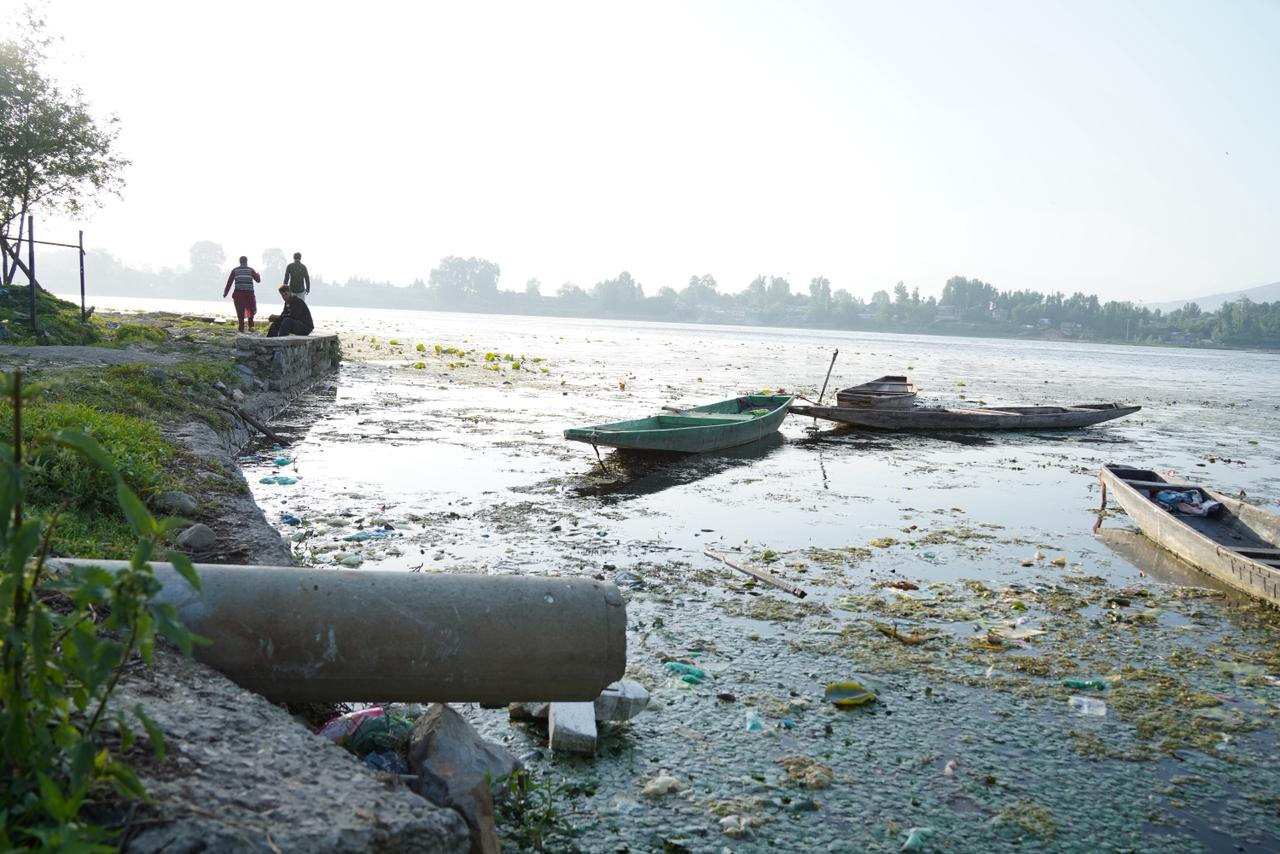
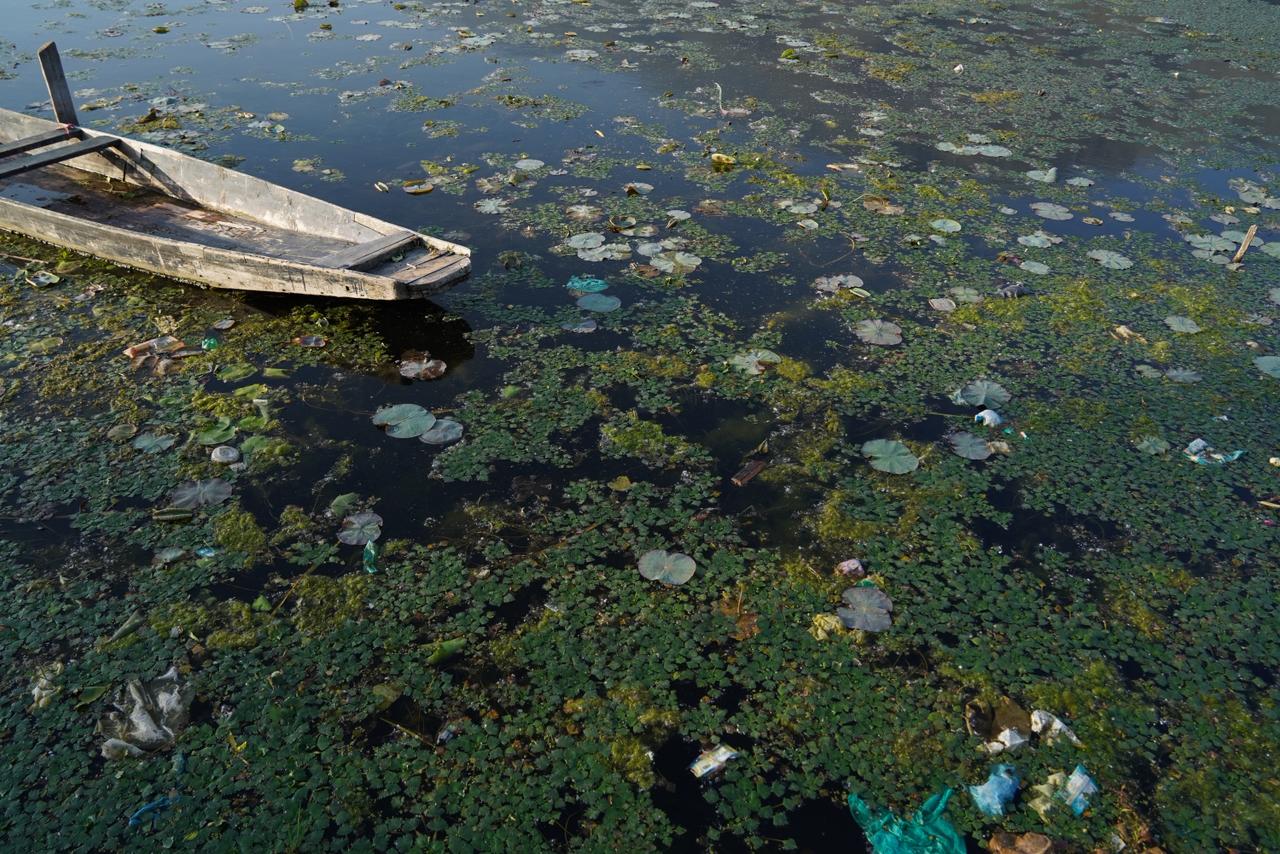
The trouble is not stuck in the countryside. Cities feel it, too. Urban Kashmir is growing wildly, and not always in ways that make sense for the environment. Take Srinagar. It used to be famous for its web of lakes and waterways. Now, those same places are fighting pollution, garbage, illegal construction, and shrinking wetlands. Dal Lake and Wular Lake both keep losing their ecological balance as waste piles up and unchecked building eats away at natural borders. Wetlands used to soak up floodwaters and refill underground supplies, but they are vanishing. Whenever it rains hard, the old drainage systems just cannot keep up. Streets flood fast. When the rain disappears, neighborhoods run short of water. The contradiction keeps getting sharper. People are not just losing water. They are losing the means to manage it properly. Climate change makes things worse with wild weather, sudden cloudbursts, unpredictable rainfall, and scorching heatwaves. The old environmental systems were never built to handle this kind of chaos, and they are buckling.
Things look rougher in rural spots. Hundreds of villages depend on springs for both drinking water and irrigation, especially in far flung areas where piped water has barely reached. Over the past decade, many springs have dried up or slowed to a trickle. Now, women and children regularly hike further just to fill buckets. Everyone blames deforestation, shrinking snow, and unpredictable rain for the loss of these traditional sources. Losing forests matters. They keep the ground wet, recharge wells, and keep streams running. Illegal tree cutting and uncontrolled construction have stripped away this natural safety net. At the same time, modern lifestyles keep pushing water consumption higher. Borewells and pumps drill deeper every year, and nobody seems to be keeping proper track. There is still an old myth floating around that Kashmir has endless water because of its rivers and snowy peaks. The truth is becoming harder to ignore. Water scarcity is no longer a distant possibility, even in places once known for abundant freshwater.
Look at the Jhelum River. It is often called Kashmir’s lifeline. Water levels keep dropping, pollution builds up, and sediment clogs the river more every year. The devastating floods of 2014 showed how dangerous climate instability can become. Heavy rainfall combined with poor urban planning turned entire neighborhoods into disaster zones. Homes, schools, roads, and businesses suffered enormous damage. Since then, environmental experts have repeatedly stressed the need to protect flood channels, wetlands, and riverbanks. Yet construction and encroachment continue pushing into vulnerable spaces. Climate change almost guarantees that such disasters will return more often. Water security is not only about drinking water. It also includes flood control, healthy ecosystems, sustainable agriculture, and disaster preparedness. Kashmir’s future depends on whether people begin treating water as a shared and fragile resource instead of an endless gift from nature.
Solving this crisis demands more than temporary reactions during floods or droughts. Kashmir needs serious long term water management, and it must involve everyone, governments, local communities, environmental groups, and ordinary citizens alike. Rainwater harvesting should become common across cities and villages instead of remaining limited pilot projects. Wetlands need legal protection because they help control floods and recharge groundwater. Reforestation efforts must focus on restoring mountain ecosystems that support natural water cycles. Scientists also need stronger systems to monitor glaciers, springs, and groundwater reserves. Schools and colleges can play an important role by spreading awareness about conservation among young people. Farmers need support to adopt efficient irrigation methods and climate resilient crops. Accountability matters just as much. Policies alone mean little if pollution, illegal construction, and over extraction continue unchecked. Kashmir still holds immense natural wealth, but protecting it requires urgency, discipline, and collective responsibility before the damage becomes irreversible.
“Water security is not only about access to drinking water. It is equally about protecting ecosystems, safeguarding agriculture, managing floods, and ensuring long-term survival in a rapidly changing climate.”
Comments are closed.