


Mohammad Muslim
“For generations, Kashmir’s connection with the rest of the country depended on a highway vulnerable to snow, landslides, and uncertainty. The railway has transformed that uncertainty into reliability.”
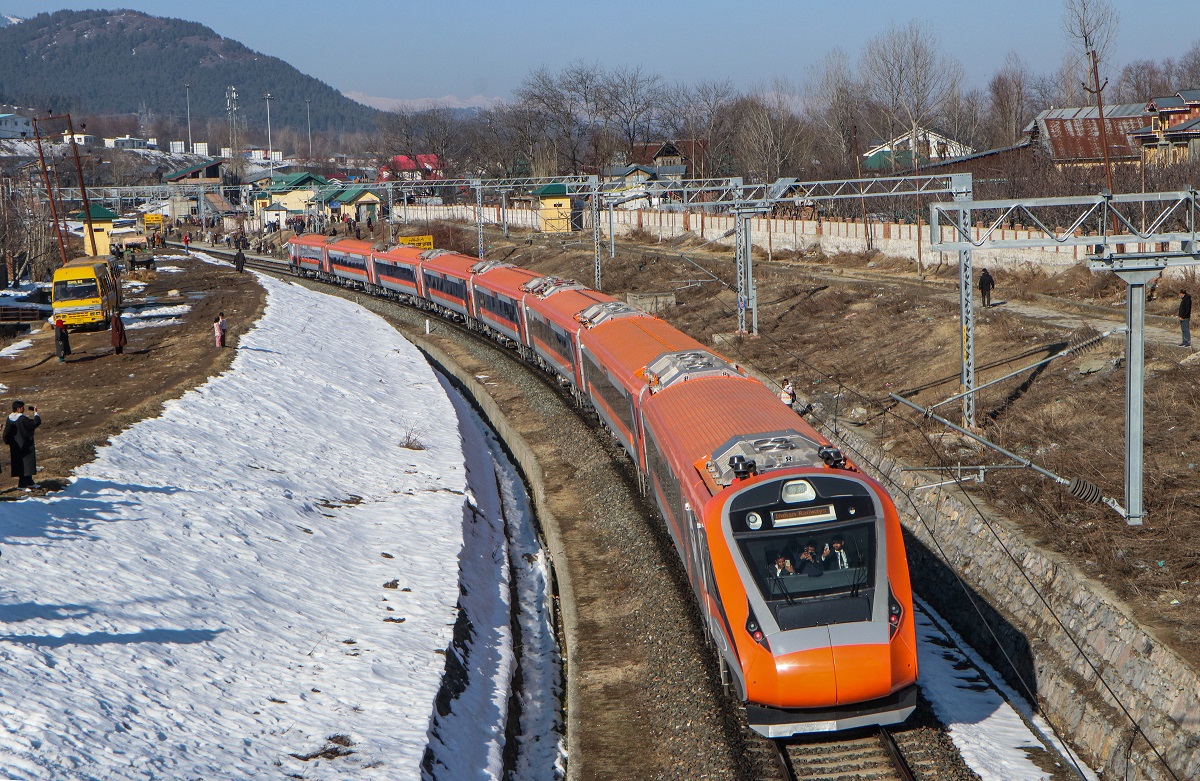
The trip from Jammu to Srinagar for years was synonymous with both beauty and trouble. Anyone traveling to Kashmir Valley could only rely solely on the Jammu Srinagar National Highway that was characterized by heavy traffic, landslides, snowfall, and closure due to bad weather conditions. Many people would be stranded for days at a time during winter and monsoon seasons. Students could not write exams; patients couldn’t visit the hospital, traders were making huge losses, and tourists thought twice before traveling to Kashmir Valley. Kashmir isolation physically during such times was affecting the economic and social life of the region significantly. The recent introduction of the Jammu Srinagar rail network means a lot to the area. Besides being a transit link, the railway network is a game changer as far as access to Kashmir from other parts of India is concerned. With reduced travel time, the railway network is providing safer and efficient connectivity to Kashmir all year round. The trains have brought much relief to the travelers, opened up new possibilities in various sectors, and will benefit the locals immensely. The project stands as one of independent India’s most ambitious engineering achievements and marks the beginning of a completely new chapter for Jammu and Kashmir.
Building a railway in the Himalayas was one of the most challenging engineering jobs done in India. Natural challenges such as rock instability, high elevation, deep canyons, heavy snowfall, and geological sensitivity of the area posed great challenges. The construction of the railway line had to be done in ways that would allow it to withstand the climatic conditions while ensuring that passengers were safe. The most amazing part of the project is the bridge over the Chenab River, which is now referred to as the highest railway arch bridge in the world. Standing at 359 meters above the ground level, the bridge surpasses even the height of the Eiffel Tower and is a testimony to the great technical skills of the engineers involved. The tunnels created within the mountain ranges, like the Pir Panjal tunnel of over 12 km, are equally impressive. Railway services are thus protected from disruptions that come with snow and frequent landslides, which often disrupt road services .The successful completion of the railway demonstrates determination, patience, and national commitment toward improving connectivity in Kashmir. What once seemed impossible has now become a functioning transportation corridor connecting valleys, mountains, and communities with remarkable efficiency.
The current railway project is an essential component of the USBRL project. The work on the corridor began in 2002 with a vision of connecting Kashmir to India’s rail network. Since then, several portions of the project have been completed in phases. While the portion from Jammu to Udhampur facilitated connectivity in the region, the extension to Katra was helpful to pilgrims headed to the well-known Vaishno Devi Shrine temple. However, the most challenging portion of the project was between Katra and Banihal as it involved significant geological hurdles delaying the completion. Nonetheless, the preparations for opening the track intensified in 2025 as tests and safety checks were carried out in preparation for the commencement of passengers’ services. In 2026, the entire Jammu to Srinagar railway route opened for passengers amid great fanfare across the country. The project was estimated to cost over ₹40,000 crore with a track spanning 272 kilometers. But the opening of the railway project was much more than a ceremony. It represented the fulfillment of a long standing dream for millions of people in Jammu and Kashmir who had waited decades for dependable rail connectivity. Today, trains run daily through mountains, tunnels, and valleys that once remained isolated for long periods during difficult weather conditions.
The first and foremost effect of the railway line would be the drastic cutback in the time taken to travel between Jammu and Srinagar. While roadways through National Highway Route 44 took around ten to twelve hours of travel time normally, the situation was even worse when there was heavy rainfall, snowfall, or landslide, where the travel time could stretch for much longer periods and became unpredictable. Roadways through the mountains were extremely tiring and inconvenient for passengers. However, things have changed with the introduction of the railway line, which takes just about five hours. With the introduction of fast trains, including semi-high-speed trains, there have been improvements in both comfort and punctuality. People do not have to check weather reports before leaving for their trip anymore since railways, unlike highways, remain relatively unaffected by winter due to their infrastructure facilities. The most important benefit of the railway line for the passengers would be students, office goers, patients, and older people who had to bear the hardship of travelling through the roads for several hours. A journey that once felt tiring and uncertain now becomes smooth, scenic, and dependable. The train effectively removes a major barrier that historically affected mobility, accessibility, and regional integration within Jammu and Kashmir.
Besides strategic purposes, the railway network is of great economic significance for agriculture, trade and industry in Kashmir. In the past, traders in the valley relied heavily on road-based means of transportation to ship their merchandise into the national market. Such practices posed serious challenges when the highways were closed due to extreme weather conditions. The delay led to losses, considering that the merchandise consisted of perishable items, including fruits, vegetables, and saffron. Railway connectivity alters all these factors, as freight movement by trains is much cheaper and efficient than road-based trucking systems. Transport costs will fall, and the agricultural products from districts like Shopian, Pulwama, and Baramulla can be delivered efficiently to the wider Indian market. Traders and farmers will have higher margins, which ensure stable prices for the customers. The railway network will attract industries to invest in Jammu and Kashmir, since they will have access to an efficient logistics network. The warehousing, processing, and manufacturing industry will experience significant growth in the future. The railway will benefit the local shopkeepers and residents since there will be no shortages of items, particularly in extreme weather conditions. According to economists, such an infrastructure can create thousands of jobs across transportation, tourism, trade, and services. The railway therefore acts not only as a transportation corridor but also as a powerful engine for economic transformation and long term regional development.
Tourism, one of Kashmir’s most important economic sectors, is expected to witness major growth because of the railway. For many travelers, the difficult road journey to Srinagar previously acted as a deterrent, particularly for elderly tourists and families traveling with children. The train removes much of that inconvenience while turning the journey itself into an unforgettable experience. Tourists travel through scenic valleys, snowy peaks, tunnels and bridges that highlight the natural beauty of the Himalayan region. The route provides picturesque experiences comparable with some of the world’s finest mountain railways. The strengthened connectivity is expected to boost tourist arrivals from key Indian cities, especially for the summer and winter holiday seasons. Increased footfalls are expected at popular destinations such as Gulmarg, Pahalgam and Sonamarg as travelers gain greater confidence in the availability of year-round connectivity. The rail connectivity also offers a significant boost to pilgrimage tourism as rail access simplifies travel to religious sites like Vaishno Devi and the Amarnath Yatra routes. Hotels, transport operators, handicraft businesses, restaurants and local guides all stand to benefit from rising tourist activity. The railway creates opportunities for sustainable tourism growth while helping Kashmir present itself as more accessible, connected and welcoming to visitors from across India and abroad.
Railway lines from Jammu to Srinagar are more than mere steel tracks laid across hills and valleys; they signify the efforts of decades into the future of Kashmir. The infrastructure has been known to make or break civilizations, and this railway line is a perfect example of such an initiative that holds immense promise in transforming Jammu & Kashmir on social, economic, and psychological levels. Better connectivity brings better opportunities for education, healthcare, tourism industry, agriculture, and job creation. It helps eliminate the feeling of remoteness from civilization that most people used to feel during extreme weather conditions. More importantly, it allows people to have reliable transportation means, opportunities, and connectivity. They can go to schools, businesses can be run smoothly, and individuals can commute around the region without the fear of being stranded by a blockage in roads. With Kashmir moving into this new era of connectivity, the railway system becomes not only a means of practical accomplishment but also an example of progress. It serves to remind everyone that geographic boundaries can always be broken through sheer determination and teamwork.
Comments are closed.