

Women and Financial Independence: A Growing Movement

Shabnam Ansari


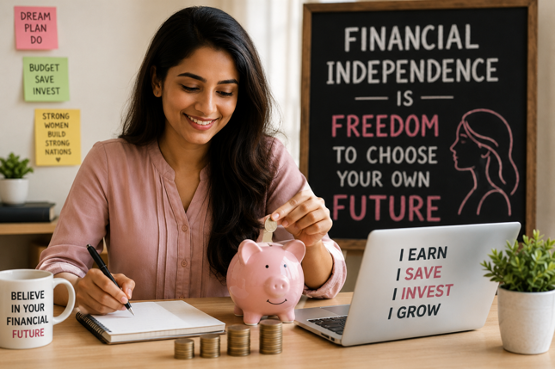
“Financial independence is not just about having money in a bank account—it is about having choices, confidence, and the freedom to shape one’s own destiny.”

The day I received my first salary, I did not think about luxury brands, expensive gadgets, or vacations. Instead, I thought about the countless possibilities that financial independence could bring into my life.

For many women, the first salary is much more than a paycheck. It is a moment of pride, achievement, and freedom. It represents years of hard work, sacrifices, education, and aspirations finally taking shape. Whether it is buying a gift for parents, contributing to household expenses, paying off an educational loan, or making the very first investment, earning one’s own money creates a sense of confidence that is difficult to describe.

Across India and around the world, millions of women are experiencing this life-changing moment and taking an important step toward financial independence. What was once considered a personal milestone has now evolved into a powerful social and economic movement. From young professionals investing their first salaries to homemakers starting online businesses and women entrepreneurs building successful enterprises, women are increasingly taking control of their financial futures.

The importance of financial independence extends far beyond having money in a bank account. It represents confidence, security, dignity, and freedom. It means having the ability to make life choices independently—whether that involves pursuing higher education, changing careers, supporting family members, starting a business, or planning for a secure retirement.

Today, women are not only earning and saving but also actively participating in investment planning, wealth creation, entrepreneurship, and financial decision-making. Increased access to education, digital banking, financial literacy initiatives, and investment platforms has transformed the financial landscape, empowering women to become active contributors to economic growth.

The rise of digital technology has further accelerated this transformation. Women today can invest in mutual funds, stock markets, retirement plans, digital gold, and insurance products with just a few clicks on their smartphones. Financial awareness programs, social media communities, and online educational platforms have made financial knowledge more accessible than ever before.

However, despite this remarkable progress, challenges continue to exist. Many women still face barriers such as the gender pay gap, career interruptions due to family responsibilities, limited financial literacy, and societal expectations regarding money management. These challenges often affect long-term wealth creation and retirement planning.

Financial experts consistently emphasize that financial independence is not determined by how much a person earns, but by how effectively they manage, save, and invest their money. Building an emergency fund, purchasing adequate insurance, investing regularly, and maintaining financial discipline are essential steps toward achieving financial security.

Perhaps the most inspiring aspect of this growing movement is that women are increasingly supporting and encouraging one another. Through mentorship, entrepreneurship networks, financial literacy initiatives, and online communities, women are sharing knowledge, experiences, and opportunities, creating a positive cycle of empowerment.

The movement toward women’s financial independence is much more than an economic transformation—it is a movement toward equality, empowerment, and self-reliance. Every woman who earns her first salary, opens her first investment account, negotiates her salary, starts a business, or plans for her future contributes to this larger change.

Because ultimately, financial independence is not just about having money—it is about having choices, confidence, and the freedom to shape one’s own future.


Author is Assistant Professor in Department of Management at CDOE, Chandigarh University, Punjab. She can be mailed at ansari.shabnam350@gmail.com

Comments are closed.