New Delhi, July 24: Scientists have developed a series of innovative technologies, including a novel nanofluid electrolyte and low-cost catalysts, that significantly improve the performance of electrically rechargeable zinc-air batteries, paving the way for safer, cheaper and more efficient next-generation energy storage systems.
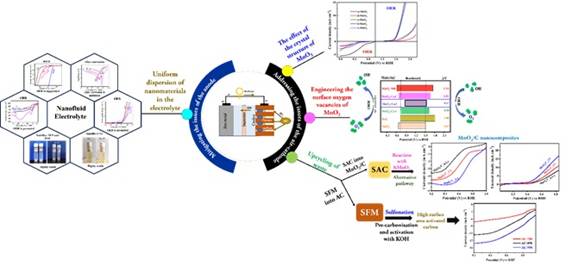
Supported by the Department of Science and Technology (DST), researchers from SASTRA Deemed University, Thanjavur, have developed a nanofluid electrolyte by dispersing small quantities of inexpensive silica and zinc oxide nanoparticles into a standard electrolyte. The breakthrough suppresses zinc corrosion and unwanted hydrogen gas generation while simultaneously enhancing oxygen reaction performance at the battery’s cathode.
The innovation addresses two major challenges that have long hindered the commercial adoption of zinc-air batteries and has been granted an Indian patent (IN570691), making it ready for industrial application.
Zinc-air batteries are considered a promising alternative to lithium-ion batteries because of their high theoretical energy density, low cost and environmentally friendly water-based chemistry. The newly developed electrolyte remains stable for over three months and has potential applications in grid-scale energy storage and electric mobility.
The research team, led by Dr. S. Devaraj, also developed earth-abundant bifunctional catalysts to improve oxygen reduction and oxygen evolution reactions, eliminating the need for costly platinum and ruthenium-based catalysts. Among the materials tested, alpha-manganese dioxide (α-MnO₂) emerged as the best performer, while copper doping further enhanced its efficiency beyond commercial benchmark catalysts.
In another significant development, the researchers successfully converted spent activated carbon from household water filters into manganese dioxide-carbon nanocomposites for use as efficient battery electrodes and supercapacitors. This recycling process has also been patented.
The team additionally demonstrated the chemical upcycling of discarded surgical face masks into activated carbon with exceptionally high surface area, exhibiting oxygen reduction performance comparable to platinum-based catalysts.
According to the researchers, the technologies have applications beyond zinc-air batteries. The waste-derived carbon materials can be adapted for multiple energy storage systems, while the nanofluid electrolyte concept can potentially be extended to other aqueous battery technologies, offering a scalable pathway for the development of affordable and sustainable green energy storage solutions. (PIB)


Comments are closed.