

Suhail Khan
New Delhi, Nov 2: Human-induced climate change contributed to around 10,600 excess preterm births in India, Bangladesh and the Philippines during the extreme heat event of April 2024, according to a new analysis by Zero Carbon Analytics (ZCA).
The analysis accessed Kashmir Convener, estimated that the April 2024 heat event was associated with approximately 16,150 additional preterm births across the three countries compared with a typical April, with India accounting for the largest share.
India recorded an estimated 10,050 excess preterm births during the month, followed by Bangladesh with 5,515 and the Philippines with 585, the report accessed Kashmir Convener.
The heat event, which was made at least 45 times more likely by human-induced climate change, was associated with a 3.6 per cent increase in preterm births in India, 11.9 per cent in Bangladesh and 10 per cent in the Philippines.
Separately, the analysis estimated that around 10,600 of these preterm births across the three countries would not have occurred without the additional warming caused by human-induced climate change.
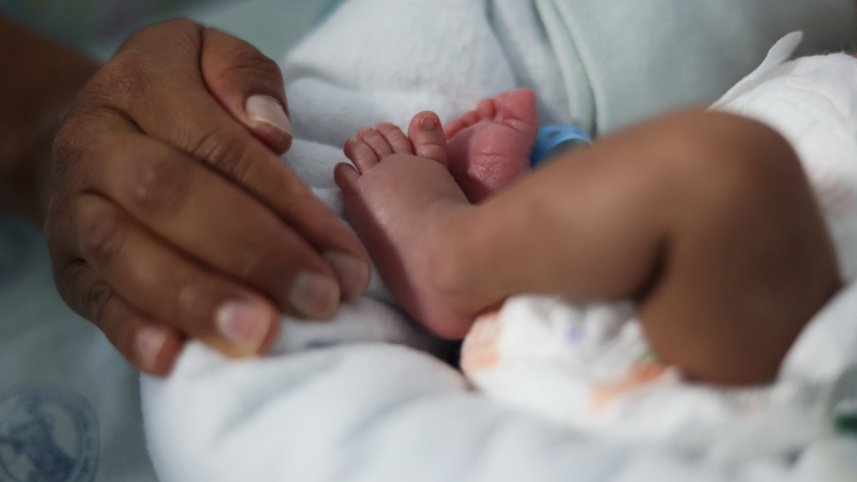
Preterm birth, defined as the delivery of a baby before 37 completed weeks of pregnancy, is the leading cause of neonatal mortality globally and is associated with long-term physical, neurodevelopmental and socioeconomic consequences, it said.
The report noted that exposure to high temperatures, even for a few days, increases the likelihood of premature delivery. A synthesis of global studies found that a 1-degree Celsius rise in heat exposure is associated with a 4 per cent increase in the odds of preterm birth, while the odds rise by 26 per cent during heatwaves.
Dehydration, reduced blood flow to the placenta, inflammation and activation of pathways that initiate labour are among the possible mechanisms linking extreme heat to adverse pregnancy outcomes.
The impact is particularly concerning in South Asia, which has the highest preterm birth rate of any region, at 13.2 per cent in 2020. India recorded a rate of 13 per cent, while Bangladesh had a rate of 16.2 per cent, the highest among the three countries.
The analysis also highlighted that pregnant women from economically disadvantaged households face greater risks due to limited access to healthcare, antenatal services, electricity and cooling facilities.
Women engaged in strenuous physical work and those living in poorly ventilated houses are particularly vulnerable to prolonged heat exposure, it said.
Projecting the future impact of rising temperatures, the report estimated that India could witness around 15,300 excess preterm births during a typical April by mid-century (2041-2060), assuming no adaptation measures are taken.
The projected burden in India could exceed the impact recorded during the exceptionally hot April of 2024, suggesting that an ordinary April by 2050 could carry a greater preterm birth burden than the extreme heat event of 2024.
For Bangladesh, the corresponding projection stands at around 1,500 excess preterm births during a typical April by mid-century.
The report also pointed to gaps in maternal healthcare preparedness, noting that existing maternal and newborn health programmes in India, Bangladesh and the Philippines were not specifically designed to address heat-related risks.
India has issued guidelines on heat and pregnancy for healthcare professionals and community health workers, covering risk assessment, hydration, cooling measures, warning signs and referral procedures.
However, the integration of heat protection into routine maternal care remains inadequate, despite several states recognising pregnant women as a vulnerable group in their heat action plans.
A September 2026 survey by the Wellcome Trust involving 1,000 maternal healthcare professionals across five countries, including India accessed Kashmir Convener found that 73 per cent had observed an increase in heat-related cases or complications among pregnant women over the previous five years. Around 92 per cent sought more training and resources to protect them.
The report called for integrating heat protection into antenatal care, strengthening community-level maternal health services, improving early warning systems and ensuring cooling facilities in healthcare institutions.
It said better antenatal care, cooling measures and early warnings could prevent some of the preterm births associated with climate change, but would not eliminate the entire burden.
Comments are closed.