

S Ahmad
The Khelo India Sports Goods Manufacturing Scheme offers India an opportunity to connect sporting ambitions with industrial growth, but its success will depend on technology, quality, MSME participation and access to global markets.
India’s sporting ambitions are increasingly extending beyond stadiums, training centres and international competitions. As the country invests in grassroots participation, athlete development and sports infrastructure, another opportunity is emerging: the creation of a globally competitive sports goods manufacturing industry.
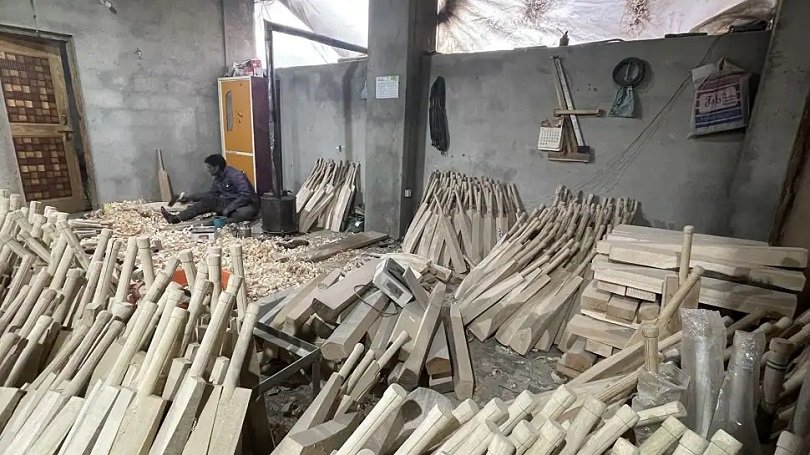
The equipment used by athletes, from cricket bats and protective gear to training accessories and advanced sporting materials, represents an important economic sector that can generate employment, encourage innovation and strengthen domestic manufacturing. Yet, converting India’s existing manufacturing capabilities into a substantial global presence will require more than producing greater quantities of equipment. It will demand sustained investment in technology, research, product quality, skilled labour and international market access.
The Union Cabinet’s approval of the Khelo India Sports Goods Manufacturing Scheme on October 28, 2026, marks an important step towards this objective. With an outlay of ₹1,856.67 crore for the financial years 2026–27 to 2033–34, the scheme seeks to strengthen the entire manufacturing ecosystem, from infrastructure and investment to innovation, certification, skills and exports. Its proposed Sports Goods Manufacturing Zones, investment incentives, support for international certification, research centres and assistance for start-ups reflect an attempt to treat sports manufacturing as an integrated industrial opportunity rather than an isolated segment of the economy.
The larger significance of this initiative lies in the connection it seeks to establish between India’s growing sporting ecosystem and its manufacturing potential. A country aspiring to become a leading sporting nation must be able to develop athletes, build infrastructure and ensure access to reliable equipment. At the same time, it can create economic opportunities by manufacturing that equipment domestically and supplying it to international markets.
The challenge is to translate this ambition into measurable industrial progress.
Comments are closed.