


Mohammad Hanief
“If you fail, never give up because F.A.I.L. means ‘First Attempt In Learning.”
— Dr. A.P.J. Abdul Kalam
Failure remains one of life’s most misunderstood experiences. It is routinely linked with disappointment, weakness and defeat, while success is treated as the sole measure of ability. In reality the two are tightly connected. Almost every meaningful achievement is built on setbacks, mistakes, rejection and uncertainty. Successful people simply refuse to treat failure as a final destination.
This lesson matters more than ever. Students compete for limited seats, graduates face an unpredictable job market, professionals must constantly update skills, and entrepreneurs watch ideas rise or collapse in months. Social media amplifies the pressure by showcasing polished images of wealth, careers and awards. What it rarely shows is the long trail of failures that preceded those successes.
Failure is simply the gap between expectation and outcome. Success is the achievement of a goal. Neither has a fixed definition. What looks like failure at one stage of life often proves to be a turning point later. For some, success means a high-paying career; for others it means knowledge, family security, service or personal peace.
In today’s results-driven culture, a single setback can feel crushing. A student who fails an exam fears the future has closed. A job-seeker collecting rejection letters begins to doubt their worth. An employee passed over for promotion questions years of effort. An entrepreneur whose venture folds faces both financial loss and a crisis of confidence. Yet one unsuccessful outcome does not define ability or destiny.
Failure becomes valuable only when it teaches what success cannot. A failed examination exposes weak preparation. A rejected application reveals skill or communication gaps. A collapsed business teaches more about customers, markets and cash flow than any textbook. In this sense failure is feedback: it signals that something must change.
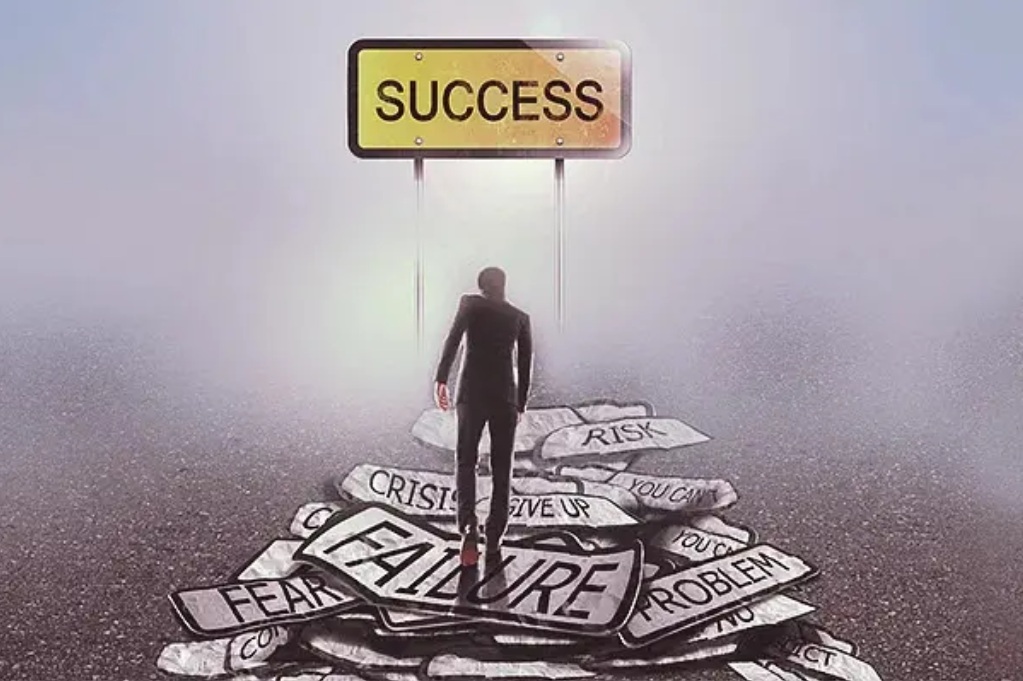
“Success is not a straight road free of obstacles. It is a journey in which achievement and disappointment travel side by side, sometimes requiring us to stop, reconsider our direction and take another route.”
Comments are closed.