


Shaheen Firdous
“Unlocking the potential of Kashmiri youth requires more than classrooms and textbooks—it demands practical learning, digital access, vocational excellence, and an ecosystem that nurtures creativity and innovation.”
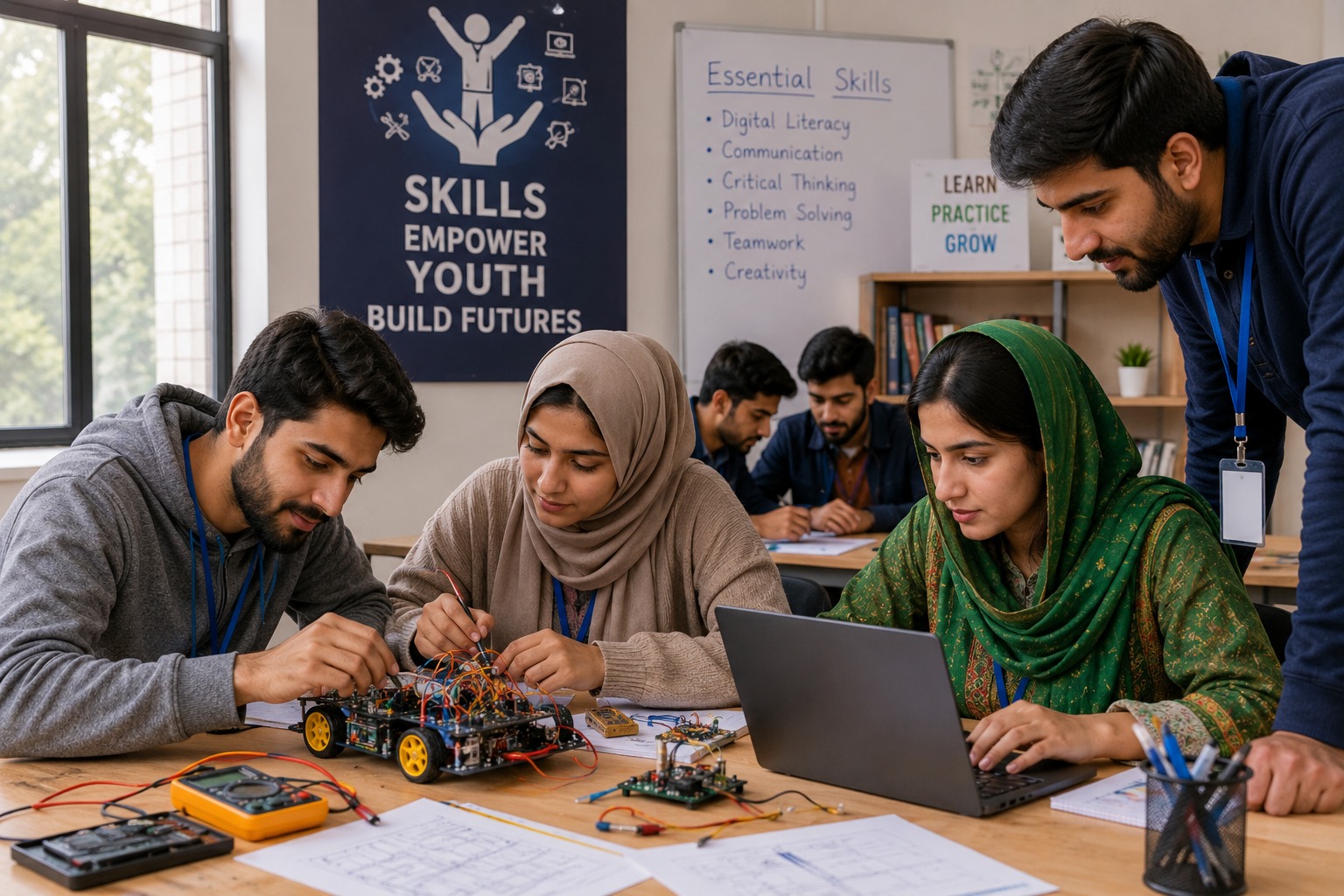
Every year on July 15, the world observes World Youth Skills Day to highlight the importance of equipping young people with the skills needed for employment, decent work, and entrepreneurship. The day serves as a reminder that education alone is not enough in the rapidly changing world of the twenty-first century. Alongside academic knowledge, young people need practical, technical, digital, and life skills that enable them to adapt to changing economic realities and contribute meaningfully to society. For the youth of Kashmir, this day carries particular significance as it draws attention to the opportunities and challenges that shape their educational and professional journeys.
Kashmir is home to a large and vibrant youth population. Young people constitute one of the region’s greatest strengths and most valuable resources. They possess creativity, intelligence, resilience, and a strong desire to build better futures for themselves and their communities. Despite these qualities, many young people face difficulties in accessing quality education, skill development opportunities, and stable employment. These challenges often create a gap between educational qualifications and the requirements of the modern job market.
Education has always been regarded as a powerful tool for social and economic transformation. It broadens perspectives, develops critical thinking, and prepares individuals to participate actively in society. However, in today’s competitive world, education must extend beyond textbooks and examinations. Students need opportunities to acquire practical skills that complement their academic learning. Employers increasingly seek individuals who can communicate effectively, solve problems creatively, use digital technologies confidently, and adapt to changing work environments. Therefore, the integration of skill development into education has become essential.
The youth of Kashmir have demonstrated remarkable potential in various fields, including education, technology, sports, arts, entrepreneurship, agriculture, and social service. Many young Kashmiris have achieved success at national and international levels despite facing numerous challenges. Their achievements highlight the immense talent present in the region. However, talent flourishes when it is supported by appropriate training, guidance, and opportunities. This is where skill development becomes crucial.
One of the most important skills required in the contemporary world is digital literacy. Technology has transformed almost every aspect of life, from communication and education to business and healthcare. Young people who possess digital skills are better equipped to access information, pursue online learning opportunities, and participate in the global economy. In Kashmir, increasing access to digital education can help bridge geographical barriers and connect students with resources from around the world. Training in computer applications, coding, graphic design, digital marketing, artificial intelligence, and data management can open new avenues of employment and entrepreneurship for young people.
Entrepreneurship is another area that holds significant promise for Kashmiri youth. Rather than relying solely on government jobs or traditional employment opportunities, young people can be encouraged to create their own enterprises. Entrepreneurship fosters innovation, self-confidence, and economic independence. Kashmir possesses unique cultural, agricultural, and artistic resources that can support entrepreneurial ventures. Handicrafts, tourism, horticulture, food processing, e-commerce, and creative industries offer numerous possibilities for youth-led enterprises. With proper training, mentorship, and financial support, young entrepreneurs can generate employment not only for themselves but also for others in their communities.
The education system plays a central role in preparing young people for the future. Schools and colleges should strive to create learning environments that encourage creativity, curiosity, and practical problem-solving. Skill-based education should be integrated into curricula from an early stage. Students should have opportunities to participate in workshops, projects, internships, and extracurricular activities that help them develop practical competencies. Such experiences enhance confidence and prepare learners for real-world challenges.
Vocational education is equally important. Many professions require specialized technical skills that can be acquired through vocational training programs. Fields such as electrical work, plumbing, carpentry, automobile repair, healthcare assistance, hospitality management, and information technology provide valuable career pathways. Vocational education should not be viewed as a secondary option but as a respected and viable route to professional success. Expanding access to high-quality vocational training can help address unemployment and meet the demands of various industries.
Agriculture remains a significant component of the Kashmiri economy. Modern agricultural practices require knowledge of technology, sustainability, and market dynamics. Young people can benefit from training in organic farming, greenhouse cultivation, horticulture management, food preservation, and agricultural entrepreneurship. By combining traditional knowledge with modern techniques, youth can contribute to food security and rural development while creating sustainable livelihoods.
The tourism sector also presents considerable opportunities for skill development and employment. Kashmir’s natural beauty, cultural heritage, and hospitality attract visitors from different parts of the world. Skills related to tourism management, tour guiding, hospitality services, language proficiency, digital promotion, and cultural preservation can enhance employment prospects for young people. Well-trained youth can play a key role in promoting responsible and sustainable tourism that benefits local communities.
Arts and culture form an integral part of Kashmir’s identity. Young artists, writers, musicians, designers, and craftspeople contribute to the preservation and evolution of cultural traditions. Skill development initiatives that support creative industries can empower youth to transform their talents into sustainable careers. Training in visual arts, creative writing, filmmaking, photography, animation, and digital content creation can help young people reach wider audiences and generate income through their creative work.
Life skills are equally essential for personal and professional success. Communication, teamwork, leadership, emotional intelligence, critical thinking, and decision-making are qualities that enhance an individual’s ability to navigate complex situations. These skills enable young people to build healthy relationships, manage challenges effectively, and contribute positively to society. Educational institutions should prioritize the development of these competencies alongside academic learning.
Women’s participation in education and skill development is another important aspect of youth empowerment. Young women in Kashmir have demonstrated exceptional achievements in academics, entrepreneurship, arts, and public service. Ensuring equal access to educational and training opportunities can unlock immense potential and contribute to broader social progress. When young women are empowered through education and skills, entire communities benefit from their contributions.
Community involvement is essential in supporting youth development. Parents, teachers, community leaders, and policymakers all have a role to play in creating an environment that nurtures learning and growth. Encouraging young people to pursue their interests, explore diverse career paths, and develop practical skills can significantly influence their future success. Collaborative efforts between educational institutions, government agencies, private organizations, and civil society can strengthen skill development initiatives and expand opportunities for youth.
In recent years, online learning platforms have emerged as valuable tools for acquiring new skills. Young people can access courses from leading institutions and learn at their own pace. These platforms offer training in a wide range of subjects, from technology and business to languages and creative arts. Promoting awareness and accessibility of online learning resources can help Kashmiri youth acquire globally relevant skills without geographical limitations.
Environmental sustainability is another area where youth engagement is increasingly important. Climate change, resource conservation, and environmental protection are pressing global concerns. Young people can contribute significantly by developing skills related to environmental management, renewable energy, waste reduction, and sustainable development. Such skills not only address environmental challenges but also create emerging employment opportunities in green industries.
The aspirations of Kashmiri youth extend beyond securing employment. Many young people seek opportunities to make meaningful contributions to society, promote social harmony, and participate in community development. Skill development programs that encourage civic engagement, volunteerism, and social innovation can strengthen their capacity to address local challenges and create positive change.
As the world continues to evolve, the nature of work is also changing. Automation, artificial intelligence, and technological advancements are transforming industries and creating new professional requirements. Continuous learning has become essential for long-term success. Young people must be prepared to adapt, acquire new competencies, and embrace lifelong learning. Educational institutions and training providers should cultivate a culture that values adaptability and continuous improvement.
World Youth Skills Day provides an opportunity to reflect on the importance of investing in young people. It reminds us that the future prosperity of any society depends on the capabilities and contributions of its youth. For Kashmir, empowering young people through education and skill development is not merely an educational objective; it is a social and economic necessity. By providing access to quality education, relevant training, and meaningful opportunities, society can unlock the immense potential that exists within its youth population.
The dreams and aspirations of Kashmiri youth deserve encouragement and support. They possess the energy, creativity, and determination needed to shape a brighter future. With the right skills and opportunities, they can become innovators, entrepreneurs, educators, artists, scientists, community leaders, and agents of positive change. Their success will contribute not only to their personal growth but also to the development and prosperity of the region as a whole.
On this World Youth Skills Day, let us reaffirm our commitment to empowering young people through education, skill development, and opportunity. Let us recognize the value of their talents and invest in their potential. By doing so, we can help build a future in which every young person has the chance to learn, grow, contribute, and succeed. Unlocking the potential of Kashmiri youth is ultimately an investment in the future of Kashmir itself, a future characterized by innovation, resilience, peace, and progress.
Comments are closed.