


Dr Rizwan Rumi
“As long as humanity values truth over falsehood, justice over tyranny, and conscience over convenience, the message of Karbala will remain alive—illuminating hearts, inspiring moral courage, and reminding the world that the light of righteousness can never be extinguished by the darkness of oppression.”
“Every day is Ashura and every land is Karbala.” This timeless expression captures the enduring spirit of an event that transcended the boundaries of history and entered the realm of eternal moral consciousness. More than thirteen centuries have passed since the tragedy of Karbala unfolded on the plains of Iraq, yet its message continues to illuminate hearts, inspire movements for justice, and challenge humanity to stand firm in the face of oppression.
Karbala was not merely a historical battle fought between two opposing forces. It was a profound moral confrontation between truth and falsehood, justice and tyranny, conscience and expediency. It was a defining moment in which a small group of believers, led by Imam Husayn ibn Ali (RA), chose sacrifice over submission and principle over survival. In doing so, they transformed a seemingly tragic defeat into one of history’s greatest moral victories.
The significance of Karbala cannot be understood solely through the lens of military conflict. The battlefield itself was small, the numbers limited, and the duration brief. Yet its impact has echoed across centuries because the struggle represented universal values that speak to all humanity. Karbala is not remembered because of the clash of swords; it is remembered because of the triumph of conviction over coercion and faith over fear.
To understand Karbala, one must first understand the moral legacy that culminated in that moment. It was a legacy shaped by the teachings of Prophet Muhammad (peace be upon him) and embodied in the lives of his family. The principles that guided Imam Husayn were not born on the day of Ashura; they were inherited from a tradition rooted in justice, compassion, patience, and unwavering devotion to truth.
Imam Ali ibn Abi Talib (RA), the father of Imam Husayn, remains one of history’s greatest examples of justice and integrity. His governance, sermons, and personal conduct demonstrated that leadership is a trust rather than a privilege. He taught that power without justice is oppression and that truth must never be sacrificed for political gain. His famous counsel to governors and officials emphasized fairness, accountability, and compassion toward all people regardless of status or background.
The spirit of justice that characterized Imam Ali became one of the foundational pillars of Karbala. Imam Husayn’s refusal to legitimize tyranny reflected the same commitment to moral responsibility that his father had exemplified throughout his life. In Karbala, the principles of justice were not merely preached; they were lived and ultimately defended through sacrifice.
Alongside justice stood another virtue embodied by Imam Hasan ibn Ali (RA): patience and wisdom. Imam Hasan understood the complexities of political realities and the importance of preserving the welfare of the Muslim community. His decisions demonstrated remarkable restraint and foresight. Through patience, he safeguarded lives and prevented further bloodshed during a period of intense turmoil.
His life teaches that courage is not always expressed through confrontation. Sometimes courage lies in restraint, endurance, and the ability to bear personal hardship for the greater good. Imam Hasan’s example reminds humanity that wisdom and patience are not signs of weakness but manifestations of strength guided by principle.
These virtues of justice and patience found their ultimate expression in Imam Husayn. When confronted with the demand to pledge allegiance to a ruler whose conduct contradicted the ethical foundations of Islam, Imam Husayn faced a momentous choice. He could submit and secure personal safety, or he could uphold truth and risk everything.
He chose the latter.
His decision was not motivated by a desire for political power or worldly authority. Had power been his objective, he would have accepted compromise. Instead, he recognized that silence in the face of injustice would legitimize wrongdoing and erode the moral foundations of the community. His stand was therefore not for personal gain but for the preservation of truth, justice, and human dignity.
The journey to Karbala was a journey of conscience. It was a movement grounded in ethical responsibility rather than political ambition. As Imam Husayn and his small group of companions traveled toward their destiny, they understood the immense challenges ahead. Yet they remained steadfast because they believed that some principles are too sacred to be abandoned.
The events that unfolded in Karbala continue to move hearts because they reveal the highest expressions of human character. Faced with overwhelming odds, deprivation, thirst, and the certainty of martyrdom, Imam Husayn and his companions did not abandon their principles. Their commitment remained unshaken because their struggle was rooted in faith.
One of the most powerful lessons of Karbala is that truth does not depend upon numbers. Throughout history, many righteous causes have begun with a small minority standing against overwhelming opposition. Karbala demonstrates that moral legitimacy is not determined by the size of an army or the strength of political authority. Rather, it is determined by fidelity to truth and justice.
The martyrs of Karbala did not seek victory in the conventional sense. They understood that they might not survive the battlefield. Yet they also understood a deeper reality: that moral integrity can outlive physical existence. Their objective was not merely to defeat an opponent but to awaken the conscience of humanity.
This is why Karbala continues to resonate across generations. The sacrifice of Imam Husayn transformed martyrdom into a powerful symbol of resistance against oppression. His stand became a reminder that human dignity cannot be purchased through compromise and that faith sometimes requires the willingness to bear immense sacrifice.
The sands of Karbala absorbed the blood of martyrs, but they also gave birth to an enduring philosophy. Every martyr became a living testimony that truth possesses a power greater than force. The apparent victors of the battlefield faded into history, while the memory of Imam Husayn continues to inspire millions across the world.
This phenomenon reveals one of the deepest truths of human civilization: power may command obedience for a time, but only moral courage commands lasting respect. Tyrants may control institutions, armies, and wealth, yet they cannot extinguish the power of a righteous idea. Karbala demonstrates that ideas grounded in justice possess an enduring vitality that transcends generations.
The message of Karbala extends far beyond a specific historical context. It offers timeless lessons for every society and every age. In a world still marked by injustice, inequality, corruption, and violence, Karbala remains profoundly relevant. It challenges individuals and communities to examine their own moral responsibilities.
The spirit of Karbala asks difficult questions. Will we remain silent when confronted with injustice? Will we sacrifice principles for convenience? Will we choose comfort over conscience? These questions are as relevant today as they were in the seventh century.
Karbala teaches that faith is not confined to rituals and ceremonies. True faith demands ethical commitment. It requires believers to uphold justice, defend the vulnerable, speak truth to power, and resist oppression in all its forms. The legacy of Imam Husayn reminds humanity that spirituality and social responsibility are inseparable.
At its core, Karbala is a lesson in human dignity. Imam Husayn demonstrated that dignity is preserved not through worldly success but through moral steadfastness. Even in the face of overwhelming adversity, he refused to surrender his principles. His example teaches that honor lies not in victory at any cost but in remaining faithful to truth regardless of consequences.
This message has inspired countless individuals throughout history. Reformers, scholars, activists, and ordinary people have drawn strength from the example of Karbala. Whenever people have struggled against injustice, they have found in Imam Husayn’s sacrifice a source of moral inspiration and courage.
Yet Karbala is not merely a story of resistance; it is also a story of hope. It reminds humanity that darkness is never permanent. Even when oppression appears dominant, truth retains its power. The sacrifice of Imam Husayn demonstrates that righteousness may face trials, but it can never be extinguished.
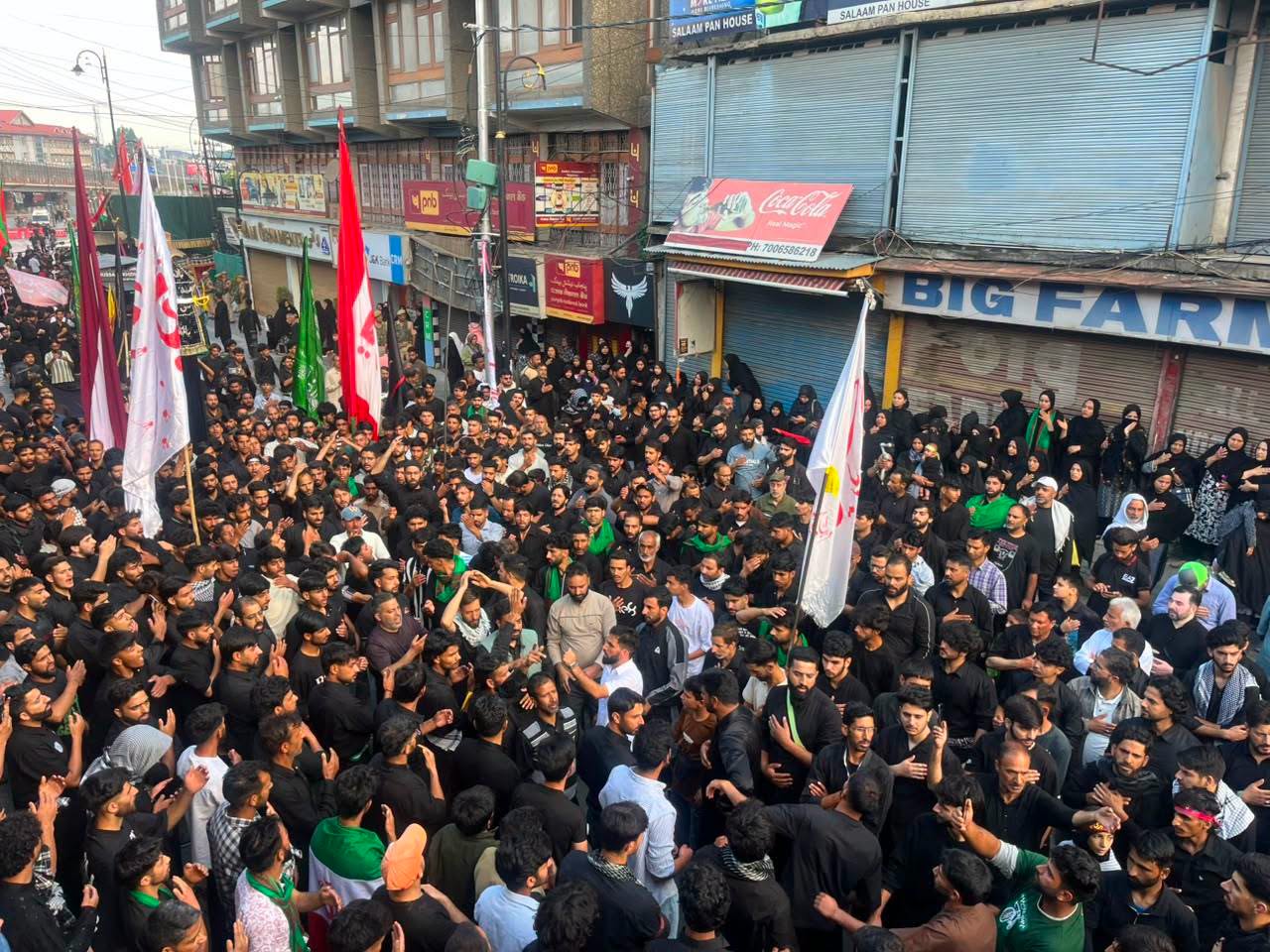
The annual remembrance of Ashura is therefore much more than an act of historical recollection. It is a renewal of moral commitment. It invites believers to reflect upon their responsibilities toward justice, compassion, and integrity. It encourages societies to cultivate the values that Imam Husayn defended with his life.
In an age characterized by rapid change and moral uncertainty, the lessons of Karbala remain remarkably relevant. The world continues to need leaders who embody justice, individuals who practice patience, and communities willing to defend truth. The examples of Imam Ali, Imam Hasan, and Imam Husayn provide a moral framework capable of guiding humanity through contemporary challenges.
Ali teaches us how to govern ourselves and society with justice. Hasan teaches us how to endure hardship with wisdom and patience. Husayn teaches us that some truths are so sacred that they must be defended regardless of personal cost. Together, their lives form a comprehensive philosophy of ethical living rooted in faith and moral responsibility.
The tragedy of Karbala transformed mortality into immortality. What appeared to be a defeat became an everlasting victory of principles over power. The martyrs did not merely leave behind memories; they left behind a moral legacy that continues to shape human consciousness.
Ultimately, Karbala stands as one of history’s greatest affirmations of the power of truth. It reminds humanity that righteousness is not measured by worldly triumphs but by fidelity to moral principles before Allah. The courage of Imam Husayn and his companions teaches that even when confronted with overwhelming opposition, one must never abandon justice, dignity, and faith.
As long as humanity values truth over falsehood, justice over tyranny, and conscience over convenience, the message of Karbala will remain alive. It will continue to illuminate hearts, inspire moral courage, and remind the world that the light of righteousness can never be extinguished by the darkness of oppression.
Karbala was not merely an event in history. It was, and remains, an eternal call to humanity—a call to live with justice, endure with patience, stand with truth, and walk the path of faith with unwavering dignity before Allah.
Comments are closed.