

Mariya Noor
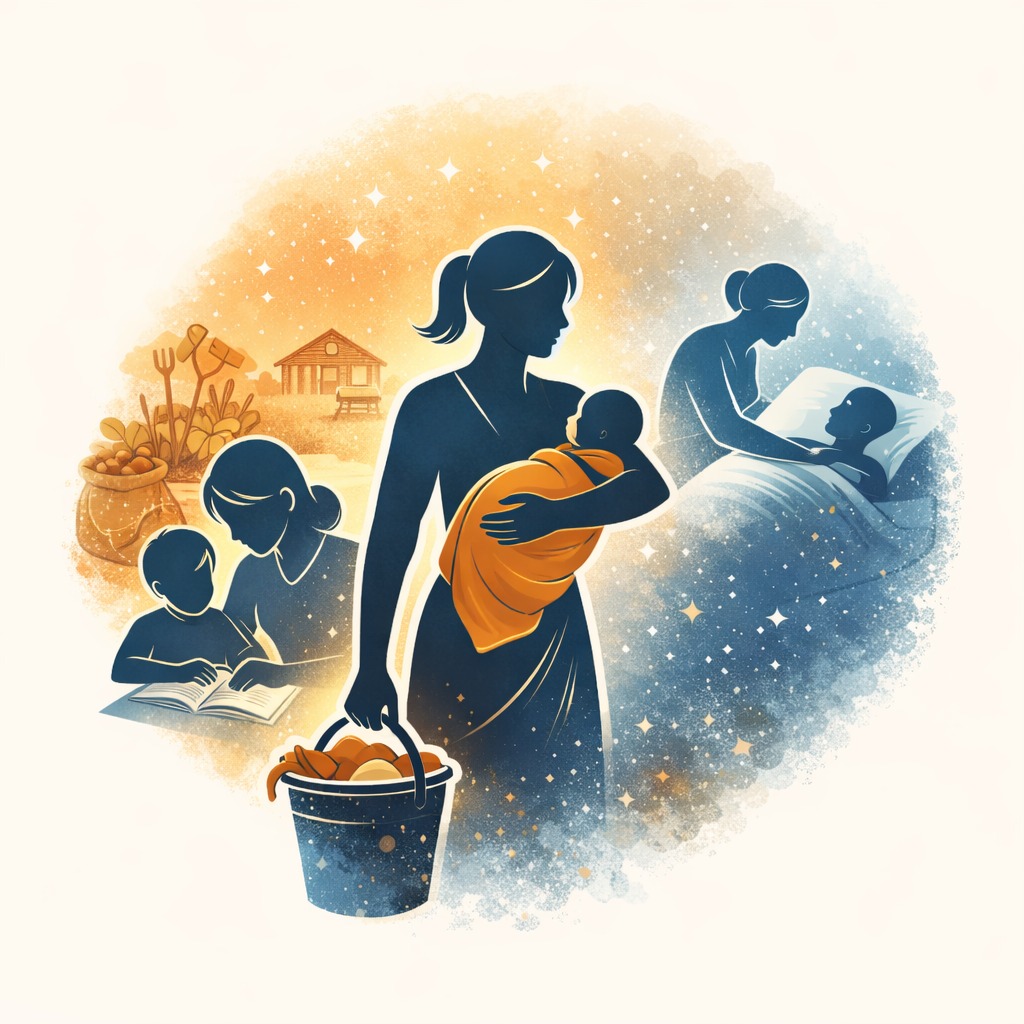
“In Kashmir, women are the silent backbone of society. They rise before dawn, rest after everyone else, and carry the weight of households, livelihoods and dreams without seeking applause.”
On 8 March each year, we are reminded to honor the strength of women, their bravery, and their significant role in society. International Women’s Day 2026 It’s also a chance to reflect on how far we have come and what challenges women still face in daily life.
In Kashmir, this day has even more importance as men in Kashmir have stayed as the backbone of their families and communities. They don’t always make noise about their contributions. Women are the backbone of their families and communities; their efforts are essential to the basic fabric of their own society.
In the southern district of Anantnag, where I grew up, you can see strong and determined women in every corner, whether it’s villages or towns. They start their day before the sun rises and end after their families sleep. They take care of their families, help their kids gain education, and drive the local economy. Many own small shops, work on farms, teach in classrooms, or care for patients in hospitals.
Walking through Anantnag’s markets, you’ll see women selling fresh vegetables, dried fruits, and handmade crafts. Their efforts provide for their families while also preserving old traditions. Famous Kashmiri crafts like embroidery and weaving continue to exist because of the hard work and quiet dedication of women working in their homes.
Education has always stood out as a powerful way to bring change. Over the last ten years, more girls from places like Anantnag are attending colleges and universities. Families now treat education as a path to brighter futures for their daughters. Schools, which once had very few girls, are now filled with them. These young students bring their books and big dreams along.
In Kashmir, many women are stepping into jobs that men did before. They are becoming teachers, doctors, engineers, journalists, and business owners. Their success reflects a new way of thinking. Families and neighbours are starting to encourage the goals of daughters just as much as sons thus giving them equal importance as well.
In a society, challenges still exist. Educated women in rural places often cannot find enough job options. Social norms can limit their freedom to move around and hinder their careers. Financial struggles or early marriages force some girls to stop studying.
Despite challenges, many Kashmiri women show growing determination. Women’s self-help groups in areas such as Anantnag now manage small businesses. They make things like spices, baked goods, pickles, and handicrafts. Support from government policies and local programs helps some of these groups access bigger markets.
The field of education highlights another significant example of women’s role. Many female teachers in government schools put in a lot of effort despite tough working conditions. Some travel far to reach distant villages. Some travel far to reach distant villages, where their hard work ensures that the younger generation has access to learning and support.
Kashmiri women also play a big part in healthcare. Nurses, doctors, and health workers continue to help communities even in freezing winters or tough times. Their commitment builds strong community trust and improves healthcare in the region.
In recent times, social media has become a valuable space for Kashmiri women. Writers, artists, photographers, and entrepreneurs from areas like Anantnag now share their talent with the world, bringing chances that were once out of reach. This visibility has brought chances that were once out of reach.
However, empowerment isn’t just about jobs or money. However, empowerment isn’t just about jobs or money; it’s about dignity, feeling safe, and being treat with respect society. It means a girl can go to school without being afraid. It means a girl can go to school without fear, and her voice is heard and respected at home and in her community. Parents, teachers, and local leaders play a key role in creating this kind of world. When we encourage girls to express themselves, seek knowledge, and take charge, we help build a better future for Kashmir. A community becomes stronger when everyone gets the chance to be part of it.
International Women’s Day should make us think about the unseen work women do. They raise children and look after older family members, tasks that often go unacknowledged. These roles are the backbone that keep society stable.
In Anantnag’s villages, mothers often spot mothers sitting with their kids while they study late into the night. Many of these women never got to go to school. Yet, they grasp the importance of learning. Their quiet support pushes their children towards brighter tomorrows.
History shows that women’s advancement is closely linked to societal advancement. The growth of a region is greatly impacted when women have access to economic, healthcare, and educational possibilities. Kashmir has a lot of potential, and women will play a major role in its future development.
There should be more to International Women’s Day 2026 than just speeches and internet posts. It must motivate actual action in day-to-day living. Families must assist girls in obtaining an education. Communities should be proud of women’s achievements and make workplaces safer for women.
Kashmiri women’s journeys demonstrate their strength, courage, and persistence. Women contribute to the development of communities throughout the valley, whether in Anantnag’s orchards or in hospitals and schools.
People should acknowledge their perseverance every day, not just once a year. When Kashmiri women progress, they inspire and uplift their entire region.
Comments are closed.