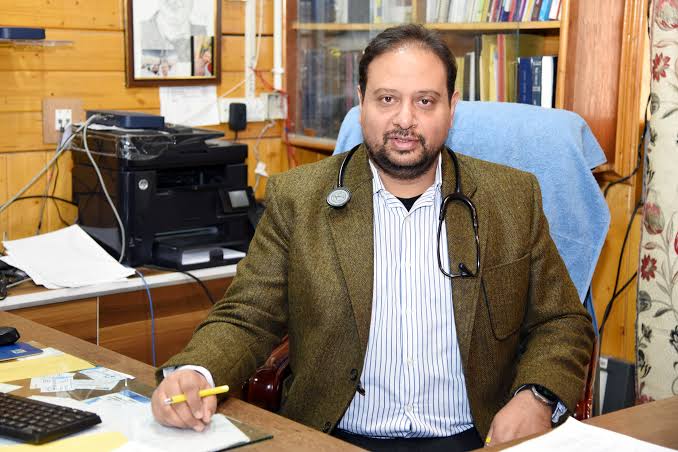
Srinagar, Dec 25: Dr. Naveed Nazir Shah, a prominent pulmonologist in Kashmir, has issued a strong warning against the unnecessary use of medications, stating that such practices pose serious risks to public health.
In an interview with Kashmir Convener, Dr. Shah emphasized that no medication should be taken without a doctor’s prescription. He cautioned that drug misuse often leads to adverse effects that outweigh any potential benefits.
Dr. Shah stated that many people rely on self-medication, taking pills without consulting a doctor in an effort to save time or money. However, what seems like a shortcut can lead to serious harm. Self-medication often masks real symptoms, delays proper diagnosis, contributes to drug resistance, and can even damage vital organs like the kidneys.
He shared key insights on why expert medical advice is the only safe path forward, reminding the public that health deserves professional care, not random prescriptions. “If you’re unwell, consult your doctor and avoid self-medication,” he urged.
With winter’s harsh days ahead, Dr. Shah highlighted the importance of preventive healthcare. He advised elderly individuals and children to limit outdoor exposure to reduce the risk of seasonal illnesses.
He also stressed the need for adequate hydration, a balanced diet, and for those with existing respiratory conditions consistent adherence to prescribed treatments.
Dr. Shah said that elderly people face heightened vulnerability during winter, with increased risks of heart attacks, strokes, and hypertension. “While we cannot control the weather, individuals with hypertension must continue their medication regimen as directed,” he stated.
The doctor made a special appeal to senior citizens to avoid early-morning outdoor activities, such as walks, due to the extreme cold, which has been linked to a rise in cardiovascular incidents. “If stepping out is necessary,” he advised, “it is essential to wear extra layers of warm clothing for protection.”
He further recommended a nutrient-rich diet for the elderly, including ample fruits and vegetables, while reducing the intake of fats, oily foods, and excess salt. Such dietary adjustments, he explained, can help bolster immunity and manage chronic conditions more effectively during winter.
Dr. Shah’s recommendations come amid growing health concerns during the cold season, reinforcing the need for medical guidance and proactive wellness measures.
Dr. Shah also stated that smoking is a major factor contributing to respiratory diseases, leading to conditions such as cancer, heart disease, stroke, lung diseases, diabetes, and chronic obstructive pulmonary disease (COPD).
He emphasized that smoking is a leading cause of respiratory illnesses, whether it results in asthma, COPD, lung cancer, or respiratory infections. Dr. Shah stressed the importance of avoiding smoking and highlighted that early intervention is crucial, particularly in educating children about its dangers.
He noted that it is the responsibility of both the community and parents to keep children away from smoking, as it can develop into a harmful addiction that is difficult to break.


Comments are closed.