Srinagar, May 20: Proposed amendments to India’s electricity consumer rules could significantly alter how power users in Jammu and Kashmir pay for electricity, with cheaper daytime power, higher peak-hour tariffs, and possible new charges for larger rooftop solar users emerging as the key consumer-impacting changes.
The draft amendment to the Electricity (Rights of Consumers) Rules, released by the Ministry of Power on March 12, 2026, introduces a Time of Day (ToD) tariff system under which electricity prices will vary depending on when power is consumed.
Under the proposed framework, electricity supplied during designated solar hours must be priced at least 20 percent below normal tariff rates, while power consumed during peak-demand hours would attract higher charges. Commercial and industrial consumers would face tariffs at least 20 percent above normal rates during peak periods, while other non-agricultural consumers could pay at least 10 percent more.
The proposed pricing model effectively creates a minimum 40 percent price difference within the same day for commercial consumers, though the Joint Electricity Regulatory Commission (JERC), which governs J&K and Ladakh, may widen this gap further.
The positive side is cheaper daytime electricity. Consumers who shift heavy electricity use to solar hours could see reduced bills. The rules also cap peak-hour duration so that premium-priced periods cannot exceed solar-hour windows, limiting the possibility of prolonged expensive billing periods.
However, evening and peak-hour consumption may become costlier, particularly for commercial establishments and consumers unable to shift power usage patterns. The proposed regime links billing directly with smart meters capable of recording electricity use hour by hour.
The draft rules set April 2027 as the implementation deadline for commercial and industrial consumers with contracted demand above 10 kilowatts, while other non-agricultural consumers would come under the system by April 2028. Importantly, implementation has been tied to verified smart-meter installation.
At present, solar consumers exporting surplus daytime power to the grid and drawing electricity back later largely settle bills through net metering. Under the amendment, regulators may impose progressive grid-use charges on consumers with rooftop solar installations above five kilowatts, while smaller systems would remain exempt.
Another feature of the proposal is “demand response,” under which consumers voluntarily reducing electricity use during periods of grid stress may receive financial incentives. Large hospitals, hotels, cold storage facilities and industries could particularly benefit once the local regulatory framework is designed.
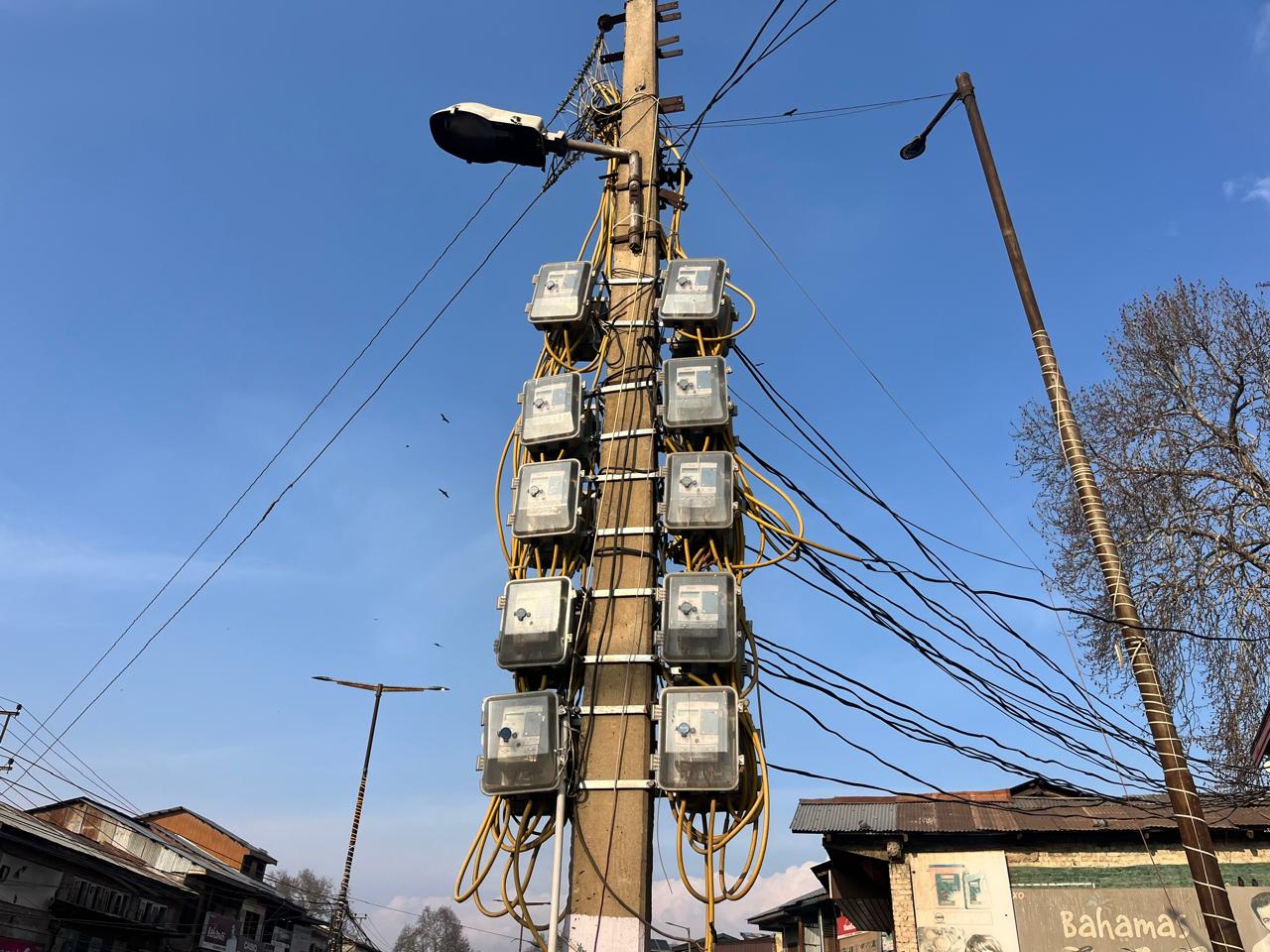
Jammu and Kashmir enters the transition with substantial smart-meter deployment already in place. According to figures cited in the document, more than 12.36 lakh smart meters are operational across various schemes, while transmission and distribution losses have reportedly declined and billing and collection efficiencies improved considerably.
The final impact on consumers in J&K will depend on how JERC structures tariff bands, solar discounts, peak-hour premiums and any rooftop solar grid charges once the rules are finalized.


Comments are closed.