


Shakeela Rahman
Perhaps the surest sign of transformation is generational. Daughters of women who left school in Class 5 now finish college; daughters of women who whispered now speak on stages. In homes across the Valley, mothers who once said “adjust” now say “study.” The vocabulary of girlhood has changed from protection to possibility.
For decades, the story of Kashmiri women was written for them, in the language of conflict, curfew, and quiet endurance. They were portrayed as victims to be pitied or symbols to be defended, rarely as architects of their own change. Yet across Jammu & Kashmir today, a different story is being written by the girl cycling to school in Sopore, the entrepreneur selling pashmina online from a village in Budgam, the constable directing traffic in Srinagar, the medical student, the first in her family to graduate. The transformation of Kashmiri women is not a headline; it is happening household by household, ambition by ambition.
The Weight of the Past
To understand the change, one must understand what came before. Decades of instability hit women hardest. When men were lost to violence, detained, or driven to migrate for work, women became the default breadwinners, but without the tools, mobility, or social permission to act like ones. Many carried grief silently while running households on shrinking incomes. Economic participation was narrow: handicrafts at home, small trade through family networks, farm labour at the edges. Education for daughters was treated as a gamble rather than an investment.
Yet even then, Kashmiri women were never passive. They held families together through years when the world looked away. The transformation now underway builds on that quiet strength — it is not a sudden awakening but a long-suppressed capability finally finding room.
Education: The First Door
Everything begins with schooling. Across J&K, girls now routinely outnumber boys in classrooms and examination halls, and the sight of a young woman heading to college is unremarkable in ways it was not a generation ago. Parents who once saved for a daughter’s wedding now save for her coaching classes. The results are visible in every profession: women doctors serving remote blocks, teachers returning to their own villages, engineers, lawyers, and civil servants whose careers would have been unimaginable for their grandmothers.
Crucially, education has changed aspiration itself. A literate girl negotiates differently — with her family, her community, her future. She does not wait to be chosen; she chooses.
New Livelihoods, New Confidence
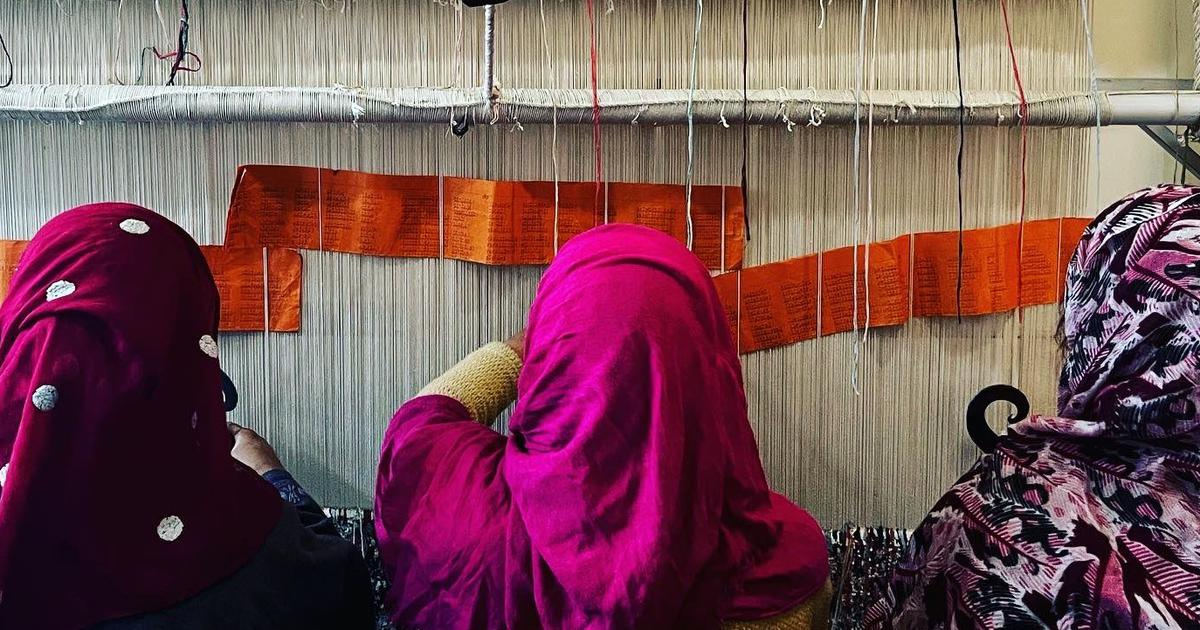
Economic change is following education. Self-help groups under the Umeed (JKRLM) programme have turned thousands of rural women into savers, borrowers, and business owners, running dairy units, tailoring shops, carpet and papier-mâché ventures. The J&K Women’s Development Corporation offers concessional loans and education finance to women from every community, while the Mumkin scheme has helped young people, including women, into self-employment.
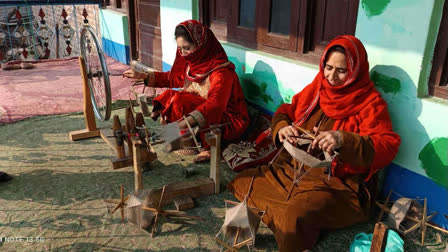
The digital economy has dissolved old barriers of geography. A weaver in Anantnag can sell to a customer in Mumbai without leaving her home; a baker in Baramulla takes orders on a phone. Home-based work, once a mark of confinement, has become a platform. Each rupee a woman earns quietly rearranges the power structure of her home.
Breaking the Visible Barriers
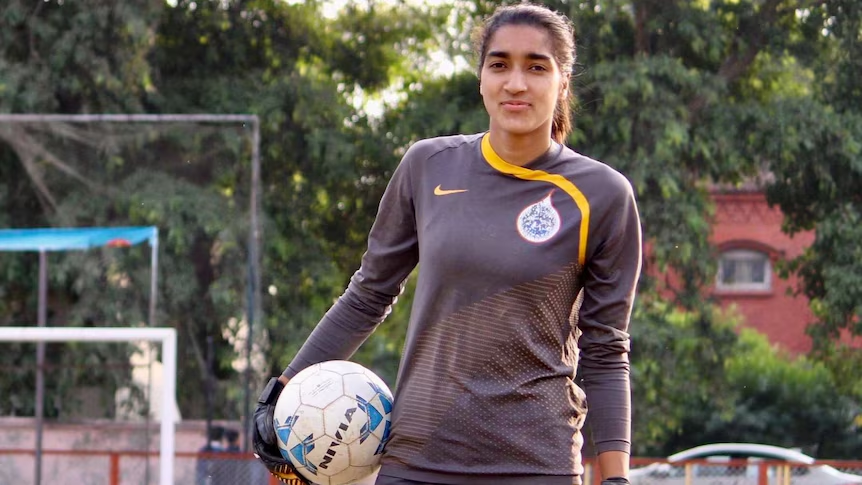
The most striking transformation is in public space. Women in the J&K Police and administration serve in numbers that would startle earlier generations. On playing fields, Kashmiri girls now play football, cricket, and volleyball competitively, sometimes in defiance of taunts, always in defiance of the idea that sport is not for them. Women cyclists, trekkers, and musicians have claimed streets and stages once closed to them. Each first- the first woman sarpanch, the first woman bus driver, the first from her village in uniform redraws what girls in her neighbourhood believe possible.
Health workers tell the same story at the grassroots. ASHAs and anganwadi workers, almost entirely women, are often the most trusted authority in a village — the person a family calls first, the woman whose advice on immunisation, nutrition, or a daughter’s schooling carries weight. In distant hamlets, a trained woman with a medicine bag has become a quiet revolution on foot.
The Work Remaining
Transformation is real, but it is not complete. Women remain underrepresented in formal jobs and overrepresented in unpaid care work. Safety and mobility still shape and shrink daily choices, particularly after dark and in remote areas. The digital divide persists: connectivity is uneven, and a phone in every hand is not yet a skill in every hand. In conservative pockets, permission is still granted grudgingly, and every achievement is negotiated twice: once with the task itself, once with the family.
Nor should transformation be measured by how many women endure exceptional struggle to reach ordinary goals. True change will come when a Kashmiri woman’s ambition requires no courage at all only ability.
The Generation Ahead
Perhaps the surest sign of transformation is generational. Daughters of women who left school in Class 5 now finish college; daughters of women who whispered now speak on stages. In homes across the Valley, mothers who once said “adjust” now say “study.” The vocabulary of girlhood has changed from protection to possibility.
Comments are closed.