
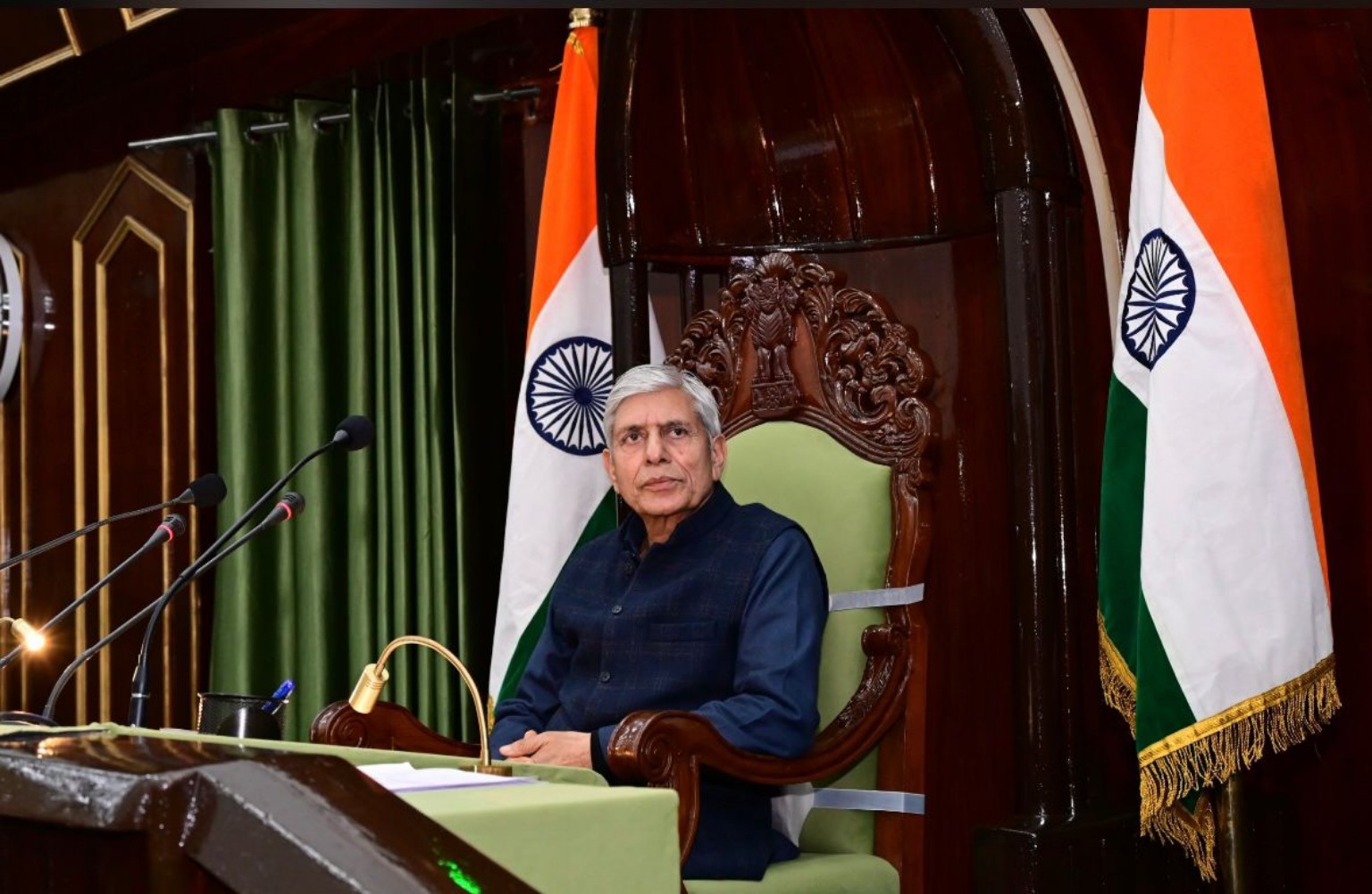
Nizamuddin Bhat: From the Newsroom to the Centre of JK Politics
Journalist-turned-politician, legislator and Congress Chief Whip brings decades of political and public-life experience to the J&K Assembly

S Ahmad
Nizamuddin Bhat’s political journey mirrors several chapters of Jammu and Kashmir’s changing political landscape. From journalism and political commentary to electoral contests, the Legislative Council, the Assembly and senior responsibilities within the Congress Legislature Party, Bhat has spent decades at the intersection of public affairs and politics.
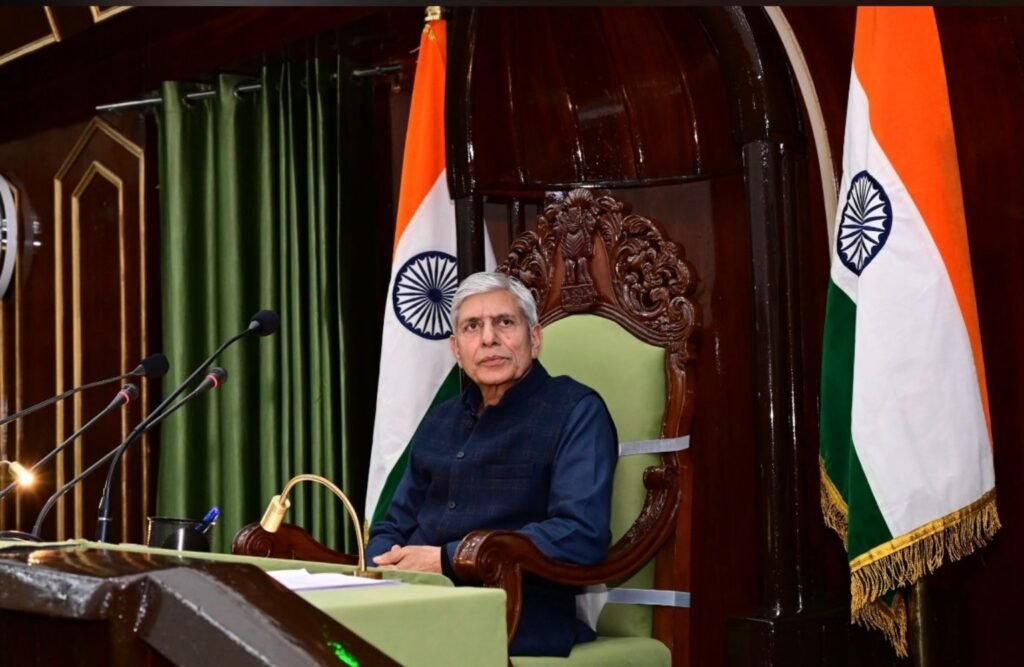
A journalist-turned-politician, Bhat currently represents Bandipora in the Jammu and Kashmir Legislative Assembly on a Congress ticket and serves as Chief Whip of the Congress Legislature Party.
Bhat was born in Watpora village of Bandipora district to Ghulam Qadir Bhat. He completed his B.A. in 1970 and LL.B. from the University of Kashmir, in 1976.
His career has taken him through different political platforms and institutions, giving him experience both as an elected representative and as an observer of the region’s politics.
His public profile has been shaped not only by electoral victories but also by unsuccessful contests, political transitions, organisational responsibilities, legislative committee work and engagement with wider political and civil-society discourse.
From journalism to politics
Before becoming an elected representative, Bhat worked in journalism and developed an understanding of political developments from inside the newsroom. He served as a bureau chief with ETV/Eenadu TV and also worked with the Islamic Republic News Agency (IRNA) of Iran.
His professional background later became an important part of his political identity.
His experience in the media gave him familiarity with political communication, public opinion and the functioning of institutions. Even after entering electoral politics, he remained an active participant in public debate and political commentary.
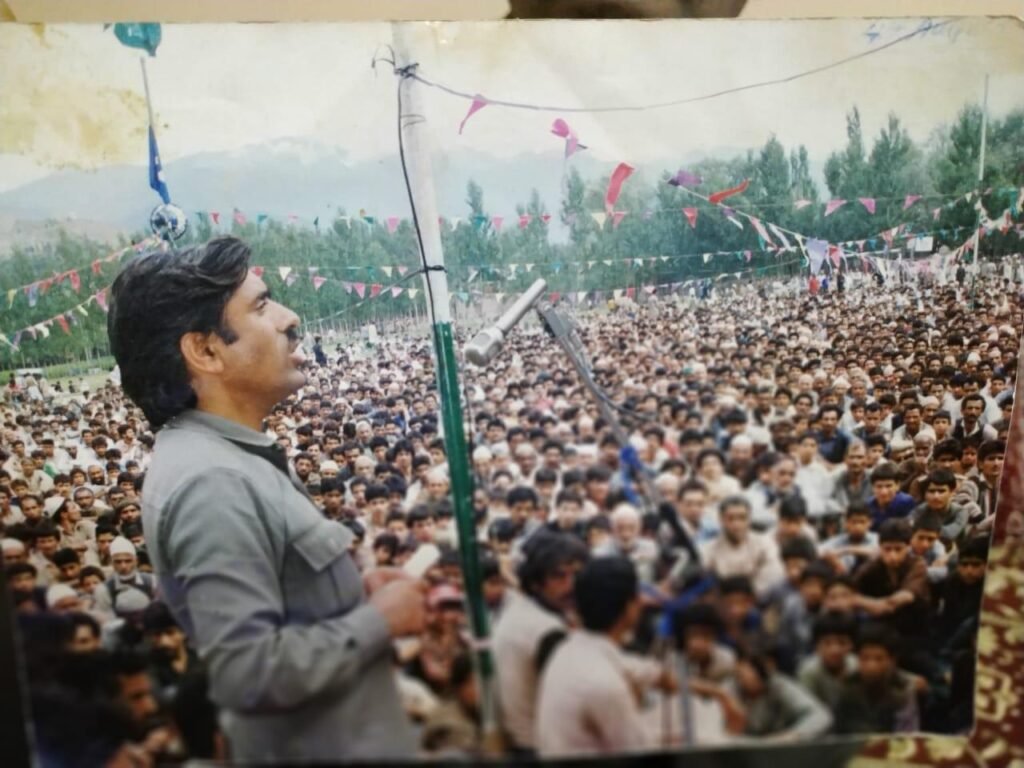
His political career began in Bandipora. He contested Assembly elections in the 1980s and later returned to electoral politics after a period away from active politics. A 2021 report by Kashmir News Observer described him as having begun his political career with the People’s Conference under Abdul Gani Lone before later joining the PDP.
The 2004 Lok Sabha contest
One of the major milestones in Bhat’s early electoral career came in the 2004 Lok Sabha election, when he contested the Baramulla parliamentary constituency on a PDP ticket.
The election proved to be a closely fought contest. Bhat polled 117,758 votes and finished second to National Conference candidate Abdul Rashid Shaheen, who secured 127,653 votes. The margin was 9,895 votes.
Although he did not win the seat, the result established Bhat as a significant electoral contender in north Kashmir and demonstrated his ability to attract support beyond his immediate constituency.
Entry into the Legislative Council
In 2005, Bhat moved into another important phase of his political career when he was elected to the Jammu and Kashmir Legislative Council from the local-bodies constituency representing the Kashmir Valley.
The Council provided him with an opportunity to gain institutional legislative experience beyond electoral campaigning. His subsequent career would increasingly involve legislative committees, public institutions and questions of governance.
Winning Bandipora in 2008
Bhat’s electoral breakthrough in the Assembly came in 2008, when he won the Bandipora constituency on the PDP ticket.
He secured 13,051 votes against independent candidate Usman Abdul Majid, who polled 12,231 votes. The narrow margin reflected the closely contested nature of Bandipora politics at the time.
The victory brought Bhat into the Legislative Assembly as a directly elected representative of his home constituency. It also marked a significant transition in his political career—from parliamentary and Legislative Council politics to active participation in Assembly proceedings.
His 2008 election affidavit identifies him as a graduate professional with a law degree from the University of Kashmir.
Politics beyond the Assembly
Bhat’s public career has not been confined to electoral politics.
He has held responsibilities in public institutions, including serving as Vice Chairman of the Jammu and Kashmir Muslim Waqf Board. He has also been associated with responsibilities involving the Handloom and Handicrafts and Horticulture sectors.
These assignments gave him exposure to administration and the management of public and community institutions, adding another dimension to his political career.
A decade away from the Assembly
Bhat contested the 2014 Assembly election from Bandipora on the PDP ticket but lost to Congress candidate Usman Abdul Majid. The official election record shows Majid securing 25,084 votes against Bhat’s 21,341.
The defeat ended his immediate presence in the Assembly, but it did not end his political engagement.
During the following years, Bhat remained active in political affairs and organisational work. His career during this period reflected the shifting alignments and political realignments that characterised Jammu and Kashmir politics.
A return to electoral politics
Bhat eventually returned to electoral politics and, in the 2024 Assembly election, contested Bandipora on a Congress ticket and won the seat.
The victory marked his return to the Legislative Assembly after a prolonged gap and represented another major turn in a political career that had already crossed several party platforms and electoral cycles.
His return was significant not merely because of the electoral victory but because it placed an experienced political figure back inside the Assembly at a time when Jammu and Kashmir had entered a new phase of representative politics.
Election-affidavit records identify Bhat as a Congress candidate from Bandipora in 2024 and show no declared criminal cases.
Congress Chief Whip
Following his election, Bhat assumed the position of Chief Whip of the Congress Legislature Party in the Jammu and Kashmir Assembly.
The position places him among the senior organisational figures of the Congress Legislature Party and gives him an important role in coordinating the party’s legislative strategy and position inside the House.
His experience in the Legislative Council and Assembly, combined with his long political career, has given him institutional familiarity at a time when the elected Assembly is once again central to political debate in Jammu and Kashmir.
Bhat has also emerged as a prominent Congress voice on questions concerning the authority of the elected government, the functioning of institutions and the relationship between the Union Government and the elected administration of Jammu and Kashmir.
Legislative committee experience
Bhat’s legislative experience extends beyond floor debates.
Over the course of his political career, he has been associated with committees dealing with areas including privileges, ethics, environment and legislative accountability.
In the current Assembly, the Speaker nominated Bhat as Chairman of the Committee on Privileges for the period ending March 31, 2026.
His committee experience has therefore given him exposure to some of the most important institutional questions concerning the functioning, privileges and accountability of the legislature.
Such responsibilities have placed him in positions where questions of legislative procedure, institutional functioning and accountability assume importance.
His committee experience is particularly relevant to his present role because the work of a legislator involves not only constituency representation but also scrutiny of government functioning and the institutional responsibilities of the Assembly.
The journalist in the politician
Perhaps the most distinctive feature of Bhat’s political profile is his background in journalism.
His career began with an engagement with public affairs through the media before moving into electoral politics. This has given him two different perspectives on political life: that of an observer and communicator in the newsroom and that of a participant inside political institutions.
The combination has influenced his style of political engagement. He has remained comfortable with public commentary, political analysis and interaction with journalists, while also navigating the more formal world of electoral and legislative politics.
Engagement beyond electoral politics
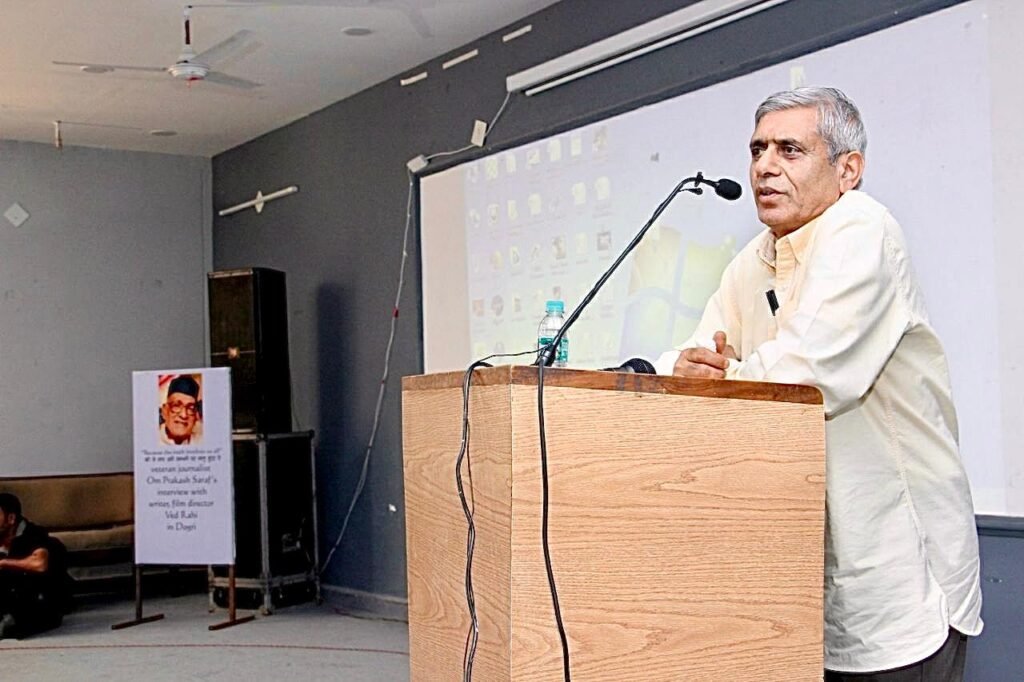
Bhat’s public life has also included engagement with political dialogue and civil-society initiatives.
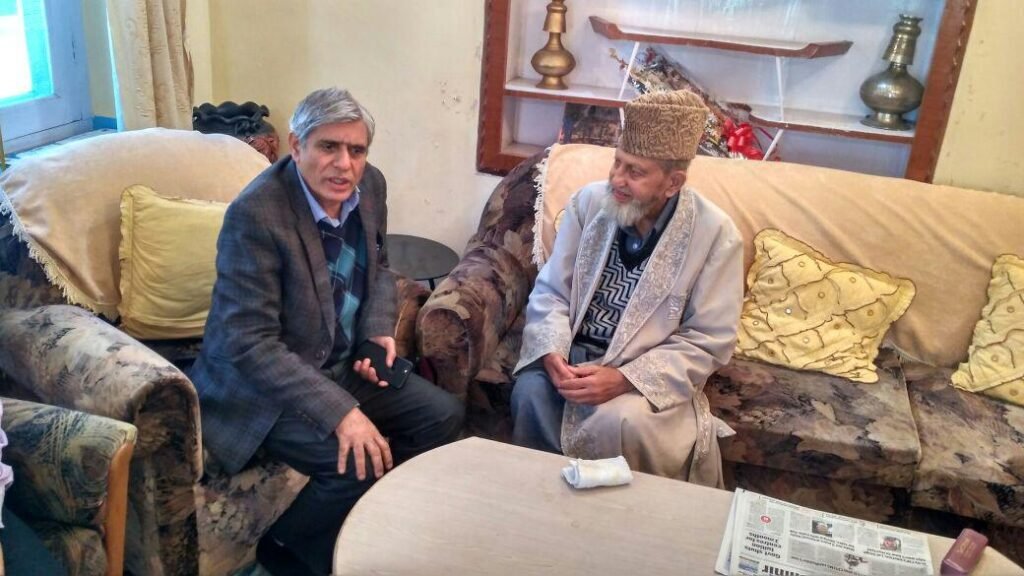
He has interacted with political leaders, journalists, academics and other public figures on questions concerning Jammu and Kashmir. His participation in dialogue initiatives has formed another strand of his public career, alongside electoral politics and legislative work.
Such engagement reflects a political career that has developed during some of the most turbulent and politically consequential periods in Jammu and Kashmir.
What sets Bhat’s political profile apart is the range of institutions in which he has worked.
His 2004 Lok Sabha contest, 2005 Legislative Council victory, 2008 Assembly victory, 2014 defeat and 2024 comeback represent distinct stages of a career that has repeatedly adapted to changing political circumstances.
Bhat now occupies a different position from the one he held when he first entered the Assembly. The political environment has changed, the institutional structure of Jammu and Kashmir has undergone major transformation, and a new generation of political leaders has emerged.
Yet his return has brought with it several decades of experience in journalism, electoral politics and legislative affairs.
As Congress Chief Whip, he is now required to combine that experience with the organisational demands of a senior legislative position.
For Bandipora, his return represents the continuation of a political association that stretches back decades. For the Congress, it provides the party with an experienced legislator who has previously served in the Assembly and Legislative Council.
Despite contests at the parliamentary level and responsibilities beyond the constituency, Bandipora has remained central to Bhat’s political identity.
He first contested the constituency decades ago, returned to the Assembly in 2008 and again secured the seat in 2024.
His repeated engagement with Bandipora has given him a long association with its political and social landscape. The constituency has also remained one of the principal testing grounds for his political influence.
Comments are closed.