

From Paradise to Prosperity: Income Generation for Youth Through Tourism in JK

Laiba Khan


“Every hotel room occupied, every taxi hired, every meal served and every local product purchased creates a chain of economic activity. When this chain reaches the hands of young people, tourism becomes more than an industry—it becomes a pathway towards independence, dignity and self-reliance.”

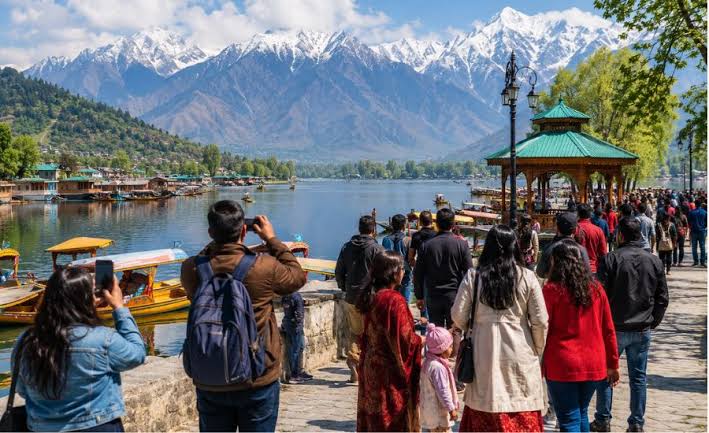
Jammu & Kashmir is often described as Paradise on Earth However, beyond the snow-covered mountains, beautiful lakes, and stunning valleys lies another story. This is the one of opportunities, entrepreneurship, and jobs. Every visitor coming to Jammu & Kashmir enjoys the beauty but also spends money on staying there, food, transportation, handicrafts, adventure activities, and local experiences. Thus, that money can convert the biggest natural resource of the region – tourism – into a successful tool for giving employment and income opportunities to its youth.

That said, tourism is already one of the leading industries in Jammu & Kashmir. It makes up about 7% of the economy of the Union Territory and provides one of the means of survival for around 5,00,000 people through both direct and indirect employment.

According to the Economic Survey 2025-26, Jammu & Kashmir received around 1.78 crore tourists, demonstrating the enormous scale and potential of the sector. As a result, the key question is not if tourism can create jobs. Rather, it is about the ability of Jammu & Kashmir to transform the increasing influx of tourists into sustainable job and income opportunities for its youth.

Tourism is not simply about welcoming visitors; it is about creating a future for those who welcome them. Every hotel room occupied, every taxi hired, every meal served and every local product purchased creates a chain of economic activity. When this chain reaches the hands of young people, tourism becomes more than an industry—it becomes a pathway towards independence, dignity and self-reliance.

The real strength of J&K’s tourism sector, therefore, lies not only in the number of tourists it attracts, but in the number of young lives it can transform. The answer has its basis in hospitality, which needs a variety of qualified specialists for different kinds of businesses: hotels, restaurants, resorts, guest houses, and houseboats.

Thus, tourism can not only provide temporary job opportunities for educated youngsters but also guarantee professional career openings and a stable source of income for them. A young person does not need to spend a lot of money to join the tourism economy. A taxi, coffee shop, working from home, taking pictures for tourists, and being a travel operator are just some examples of how young people can earn money.

Many young people know how to use social media and the Internet. They can promote a tourist spot, local product, and other services to many more potential clients than just J&K. Thus, tourism can make the youth shift from being job seekers to job givers.

Then there is adventure tourism. Skiing in Gulmarg, trekking, rafting, camping, and mountain biking are gaining popularity. Every type requires professional guides, trainers, coordinators, photographers, and so forth. If trained, the youth can easily work in the mountains of J&K and turn the region’s natural landscape into a source of livelihood.

Tourism also revitalizes the old economy of the area. Pashmina shawls, Kashmir carpets, papier-mâché, walnut wood carvings and handloom products are not only souvenirs but an evidence of generations of artisans’ work.

A steady growth of the tourist industry creates markets for artisan goods. The youth can sell these traditional products through e-commerce and social media. Thus, tourism can preserve the heritage and provide modern business opportunities. And not only famous places and resorts can benefit from tourism.

Eco-tourism and rural tourism can engage travellers and invite them to the native villages where they can taste local dishes, experience local traditions, and see the lifestyle of local communities.

Community-based homestays can help families supplement their income, provide jobs and stimulate the regions typically ignored by the tourism industry. Entrepreneurship can help women find their place in the market, too. The emphasis on winter, religious, eco, film, rural and wellness tourism can further diversify the industry and generate income opportunities throughout the year. But then there are challenges that need to be overcome.

 Tourism is susceptible to seasonality and bad weather conditions. Gaps in hospitality skills, online bookings, language and specialised adventure skills could deny the youth access to higher-paying jobs. Infrastructure and connectivity are needed at remote locations as well.

The answer is simple – invest as much in people as in places. Skill development initiatives, entrepreneurship support, online and offline training and better infrastructure can ensure that the benefits of tourism percolate down to the communities that nurture it.

The youth of Jammu & Kashmir should not merely be spectators to the tourism boom; they should be its strongest participants and beneficiaries. With the right skills, opportunities and support, a young guide can become an entrepreneur, an artisan can become a brand, and a homestay can become a sustainable family business. This is where the true potential of tourism lies—not just in bringing money into the region, but in keeping that opportunity within the region.

Jammu & Kashmir is blessed with beauty. The need is to translate that beauty into an opportunity. Mountains can bring in the tourists, but the local youth can ensure sustainability. If tourism takes shape along with the youth, every booking in the hotels, trek reservation, handicraft sold and homestay occupied can give far more than merely generate economic activity—it can give real economic opportunity along with the fulfilment of young dreams.


Author can be mailed at laibaakhan485@gmail.com

Comments are closed.