BANDIPORA, April 25: Imteyaz Hussain Khan, a young researcher from the remote Gurez–Tulail region of north Kashmir, has gained recognition in the global scientific community for his work in artificial intelligence-based healthcare solutions.
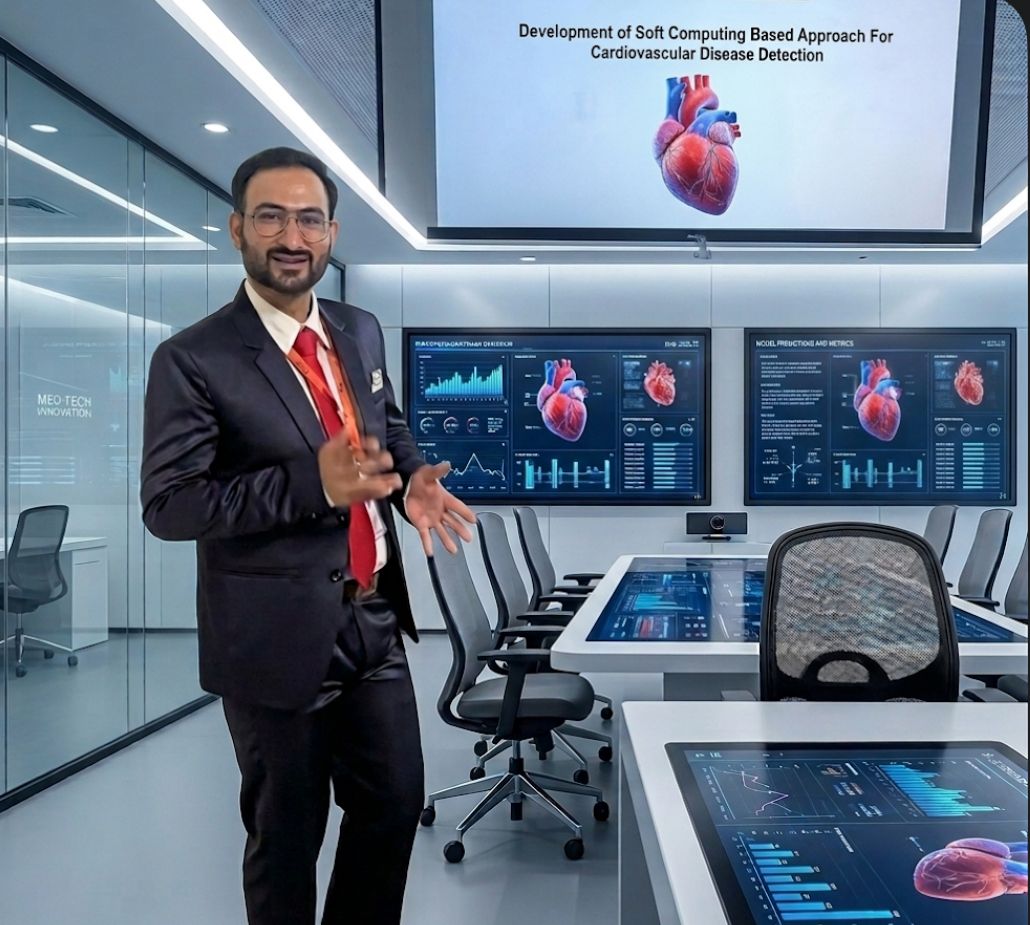
Khan, who hails from the border area of Gurez Valley, has focused his research on the application of machine learning in cardiovascular disease detection. His work includes developing ECG-based diagnostic models aimed at improving early and accurate detection of heart conditions.
Officials and academics said one of his key contributions includes the development of a standardised electrocardiogram dataset sourced from Sher-i-Kashmir Institute of Medical Sciences (SKIMS), which supports real-time disease classification and strengthens integration between clinical data and artificial intelligence systems.
His research has been published in international journals and includes work on real-time ECG-based detection frameworks and hybrid neural network models for arrhythmia classification. Experts said such innovations could help improve accessibility to diagnostic tools, particularly in underserved and remote regions.
Khan’s academic journey began in challenging conditions marked by limited access to advanced educational infrastructure and geographic isolation. Despite these constraints, he pursued studies in artificial intelligence and machine learning, focusing on healthcare applications.
Apart from research, he has also been involved in social initiatives. During his early academic years, he established an organisation to support underprivileged students, providing assistance in education and related services. He has also participated in awareness campaigns related to environmental protection and tourism promotion in Gurez.
In recognition of his contributions, Khan has been honoured by the Tribal Research Institute Jammu and Kashmir.
Observers said his work reflects the growing contribution of youth from remote regions to scientific research and innovation. His efforts continue to highlight the role of technology in addressing healthcare challenges and expanding opportunities for communities in geographically isolated areas.


Comments are closed.