

Usuf Mir
“Fate may take away what we have. But it is family support that decides what remains.”
Spring was in full bloom when Skylark Middle School, perched on a serene hilltop, organised an excursion for its girl students. It was Saturday, April 16.
A school bus, filled with laughter and chatter, wound its way along the narrow hill road. Inside, girls in neat uniforms shared stories, homework worries, and dreams far bigger than the mountains that surrounded them.
Then, in a single unforgiving moment, everything changed.
At a sharp turn, the driver lost control. The bus skidded and crashed. For a brief second, there was silence—before the valley echoed with cries for help.
Ten children were injured on the spot. Eight suffered minor injuries and were discharged within hours.
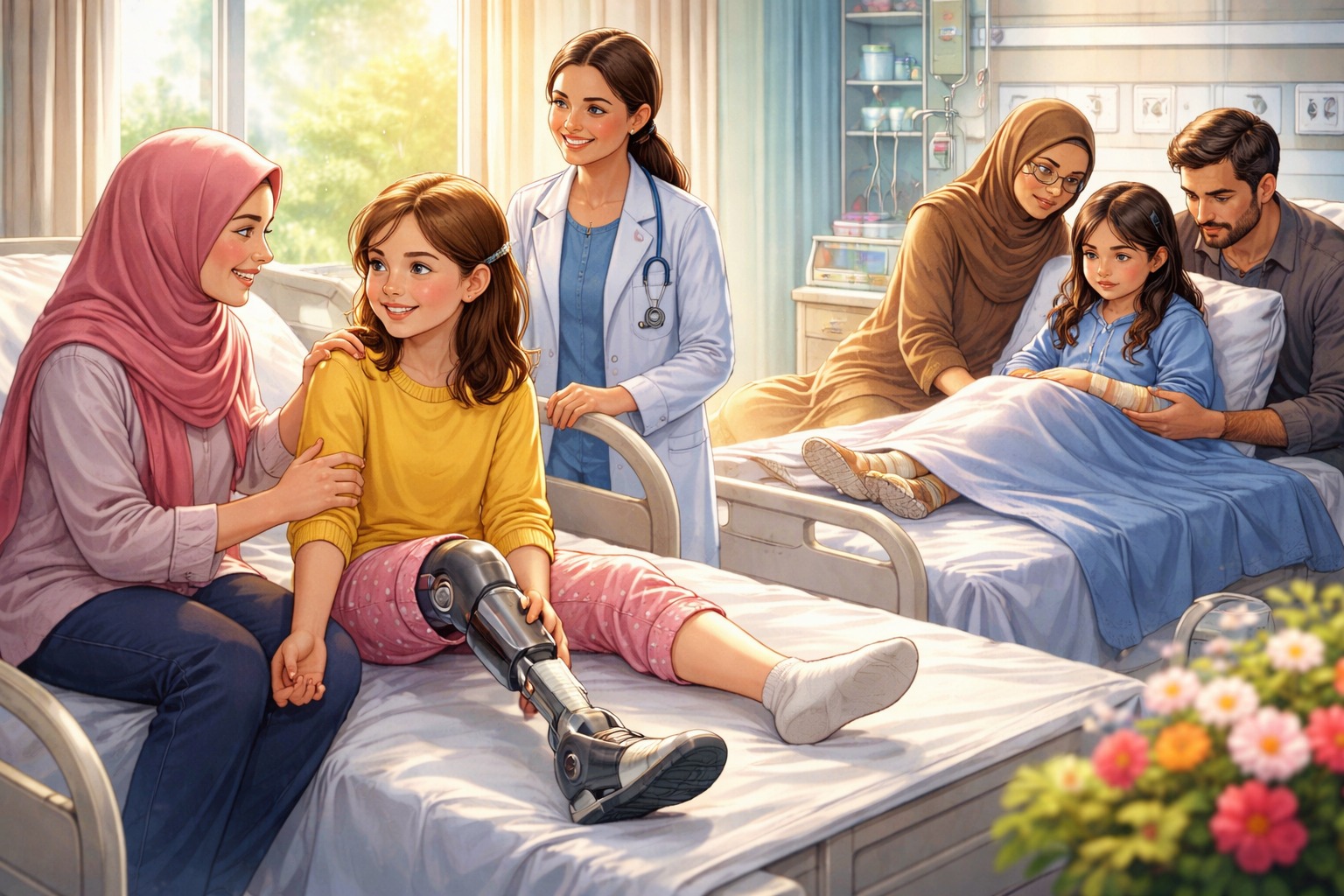
But two—Rosey, 12, and Nargis, 14—had sustained devastating leg injuries. Both were rushed to S.S. Hilltop Trauma Centre. Doctors fought tirelessly to save their lives. They succeeded—but at a cost. Each girl underwent partial amputation.
The news struck their families like a storm. Tears, disbelief, and stunned silence filled the hospital corridors.
From that moment onward, two very different journeys began.
Rosey’s Journey: Holding On to “Yes”
Rosey’s family was shattered—but steady. They listened carefully as doctors explained the situation, their hearts resisting every word yet understanding its truth.
“Will she be able to live normally?” her mother asked, her voice trembling.
“Yes—with support, treatment, and courage,” the doctor replied.
They chose to hold on to that yes. They did not deny what had happened. Instead, they gathered their strength around their daughter.
When Rosey woke up—confused, frightened, and searching their faces for answers—they did not hide the reality. Holding her hand, her father said softly:
“You are still you, Rosey. And we are here with you.”
Days turned into weeks. They encouraged her through pain, tears, and hesitation. Doctors, counsellors, and therapists became part of her new world. Slowly, she began to respond.
First, she accepted. Then, she tried. Months later, with prosthetic support, Rosey stood again—fragile and trembling, yet determined.
In that moment, fate seemed a little less powerful.
Nargis’s Journey: When Grief Overwhelms Hope
In another hospital room lay Nargis. She too was surrounded by love—but also by unrelenting grief.
Her family could not accept what had happened. Their sorrow filled the room. They wept constantly, questioned fate, and refused to speak of the future.
“This cannot be her life,” they repeated. Though their pain was genuine, their despair slowly became a barrier. Conversations meant to console often deepened the atmosphere of helplessness. No one prepared Nargis for what lay ahead. No one gently guided her toward recovery.
The room was full of sympathy—but lacked direction.
Watching her family’s tears, Nargis began to see herself not as someone who could rebuild her life, but as someone permanently broken.
Rehabilitation was delayed. Efforts became half-hearted. Silence replaced strength.
Gradually, she withdrew. Her wounds healed—but her spirit remained untouched by hope.
The Difference
Months later, the contrast was clear. Rosey had returned to life—different, yet moving forward. She resumed her studies, learned to walk with support, and carried a quiet courage in her eyes.
Nargis, however, remained confined—not only by physical loss, but by a reality never fully accepted.
The accident had treated them the same. Life did not.
In the end, it was not merely the tragedy that shaped their futures— It was how their families chose to face it. Fate may take away what we have. But it is family support that decides what remains.
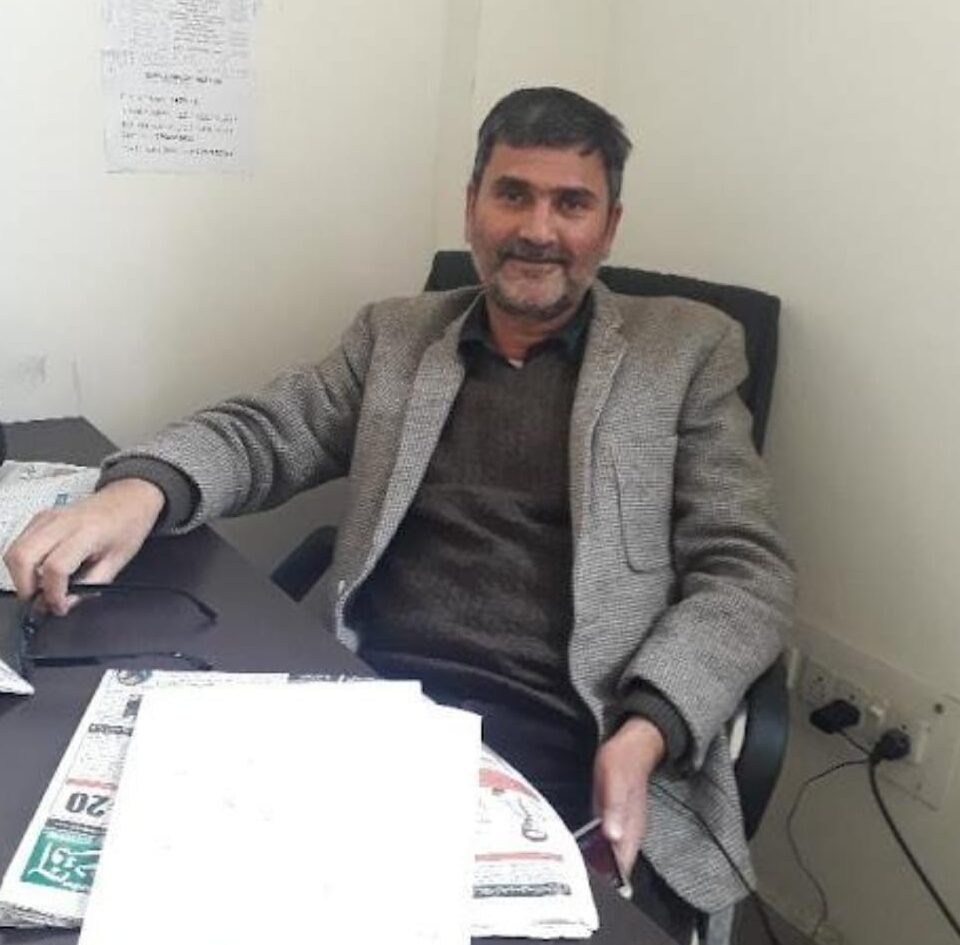
Author is a former District Information Officer Kupwara and can be mailed at yousufmir555@gmail.com
Comments are closed.