
World Sparrow Day Special
Vanishing Chirps, Vanishing Energy: The Silent Crisis of the Sparrow

Lalit Gargg
“The sparrow was never an exotic visitor to our homes; it was a quiet companion of everyday life. Its fading presence is not just the disappearance of a bird, but the erosion of a shared intimacy between humans and nature.”
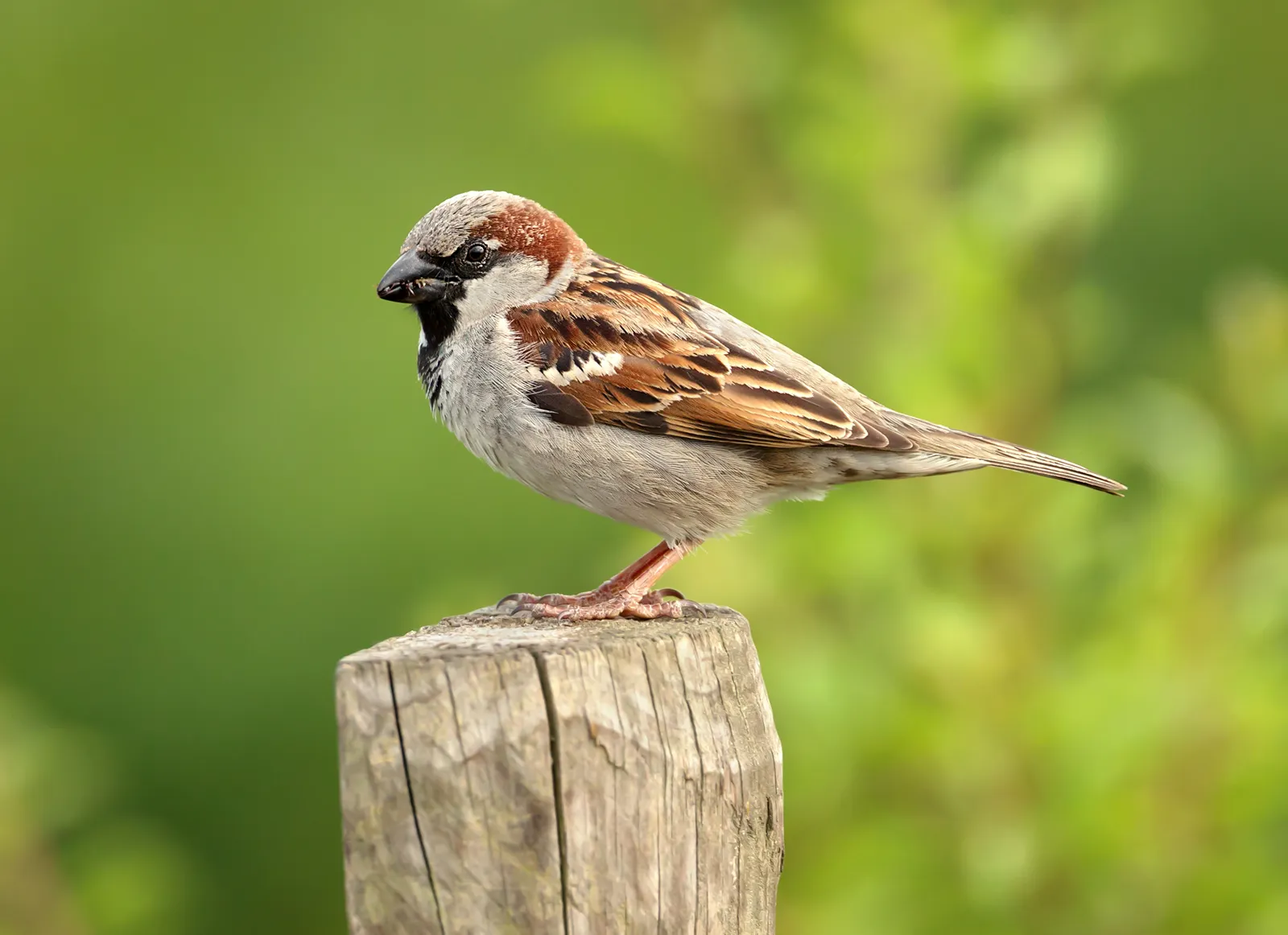
There was a time when dawn arrived not with the buzz of notifications but with the soft, rhythmic chirping of sparrows perched on windowsills and courtyard walls. Their tiny forms flitted across terraces, rooftops and neem trees, stitching sound into the morning light. The sparrow was never an exotic bird in India; it was familiar, almost familial. It shared our spaces without ceremony, building nests in ventilators and eaves, hopping across grain spread out to dry, and weaving itself into the intimate routine of daily life.
Today, that sound has grown faint.
On 20 March each year, the world marks World Sparrow Day, an initiative dedicated to raising awareness about the conservation of this small yet ecologically significant bird. What began as a modest campaign has evolved into a global call to reflect on biodiversity loss and the fragile relationship between humans and nature. The 2026 observance reiterates a message that feels increasingly urgent: coexistence is not optional. Without ecological balance, the disappearance of sparrows may well foreshadow deeper systemic collapse.
The decline of the house sparrow is not an isolated phenomenon. It mirrors the broader environmental crisis unfolding quietly in urban and semi-urban landscapes. Once ubiquitous across India’s towns and villages, sparrows thrived in close proximity to humans. They were adaptive, resilient and social. Unlike many wild species, they did not retreat from human settlements; they embraced them. Yet even this remarkable adaptability has limits.
Modern urban design has steadily eroded the sparrow’s habitat. Traditional homes, with tiled roofs, exposed beams, mud courtyards and open ventilation spaces, offered countless nesting niches. Grains dried on rooftops and courtyards provided natural sustenance. The shift toward sealed concrete structures and glass facades has eliminated these microhabitats. Balconies are often enclosed. Ventilators are covered. Roof spaces are inaccessible. In our pursuit of polished efficiency, we have inadvertently engineered out the sparrow.
Food scarcity compounds the problem. Young sparrows rely heavily on insects during their early development. However, intensive agricultural practices and widespread pesticide use have drastically reduced insect populations. Chemical fertilizers and insecticides, designed to protect crops, disrupt the broader ecological web. When insects decline, birds that depend on them suffer. The result is a fragile generation of chicks struggling to survive in a landscape stripped of natural nutrition.
The conversation often turns to electromagnetic radiation from mobile towers. While scientific consensus continues to evolve, concerns persist regarding the potential impact of prolonged exposure on birds’ navigation and reproductive health. Whether or not radiation proves to be a primary factor, it undeniably symbolizes a broader truth: technological expansion frequently outpaces environmental assessment. The cumulative pressure of pollution, habitat loss and altered food chains forms a web of stressors from which sparrows struggle to recover.
Climate change adds another layer of complexity. Irregular rainfall patterns, unexpected temperature spikes and shifting seasons disrupt breeding cycles. Sparrows, like many small birds, time reproduction according to predictable climatic cues. When these cues shift unpredictably, nesting and feeding patterns are thrown off balance. A delicate ecological rhythm, once stable, becomes erratic.
Yet beyond the environmental science lies a quieter moral reflection. The sparrow’s decline is not merely ecological; it is emblematic of a growing human disconnect from nature. As cities expand vertically and lifestyles become increasingly insulated, the everyday intimacy between humans and small creatures diminishes. Children who once grew up watching sparrows build nests now grow up in high-rise apartments where birds are distant silhouettes against glass.
In India, the house sparrow holds cultural resonance. It appears in folklore, idioms and childhood rhymes. It represents modesty, simplicity and companionship. The Hindi word “gauraiya” carries an affection that few other birds command. When such a familiar presence fades, something intangible fades with it — a sense of shared space, of coexistence woven into ordinary life.
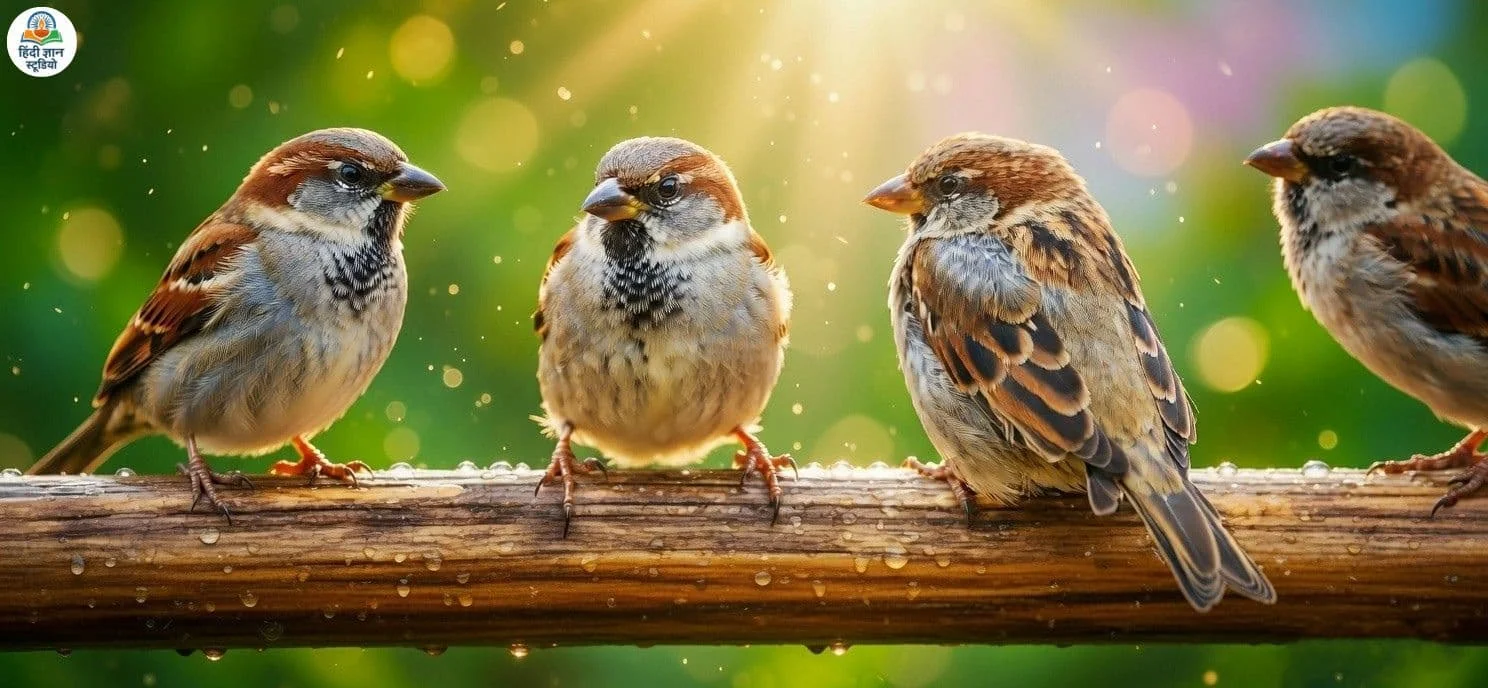
The ecological implications are equally profound. Sparrows are indicators of environmental health. Their presence suggests a balanced ecosystem with sufficient insect populations and suitable nesting sites. Their absence signals disturbance. When a species so closely tied to human habitation declines, it reflects systemic imbalance in urban planning and agricultural practice.
Addressing this crisis does not demand grand technological breakthroughs. It requires thoughtful recalibration of everyday habits. Restoring microhabitats is one of the most immediate steps. Installing simple nesting boxes in balconies, courtyards or garden trees can recreate lost shelter. Such boxes are inexpensive and easily available, yet they can provide critical breeding spaces in environments otherwise hostile to small birds.
Equally vital is ensuring access to food and water. A shallow bowl of water placed on a terrace during summer can become a lifeline in rising temperatures. Scattering grains in open spaces, especially in early mornings, revives a tradition once common in Indian households. These gestures may appear modest, but collectively they rebuild ecological support systems.
Gardening practices also matter. Planting native shrubs and flowering plants encourages insect life, thereby restoring a natural food chain. Lawns manicured to sterile perfection offer little sustenance. Biodiversity flourishes in layered, native vegetation that accommodates insects, birds and pollinators alike.
Agricultural reform is another essential component. Reducing chemical inputs and encouraging organic or integrated pest management practices can revive insect populations. Such shifts benefit not only sparrows but soil health, water quality and long-term agricultural sustainability. The sparrow’s survival is interlinked with broader ecological recovery.
Education plays a transformative role. Instilling environmental sensitivity in children nurtures lifelong stewardship. When young minds learn that birds are co-inhabitants rather than decorative elements, attitudes shift. Schools and community organizations can integrate biodiversity awareness into curricula and local initiatives. Observing birds, documenting sightings and participating in conservation drives cultivate empathy and responsibility.
Policy intervention must complement grassroots efforts. Urban planning guidelines can incorporate biodiversity-friendly architecture, encouraging the inclusion of bird nesting provisions in building designs. Public awareness campaigns can highlight simple conservation actions. Research institutions can deepen scientific understanding of urban avian ecology, ensuring that interventions are evidence-based and effective.
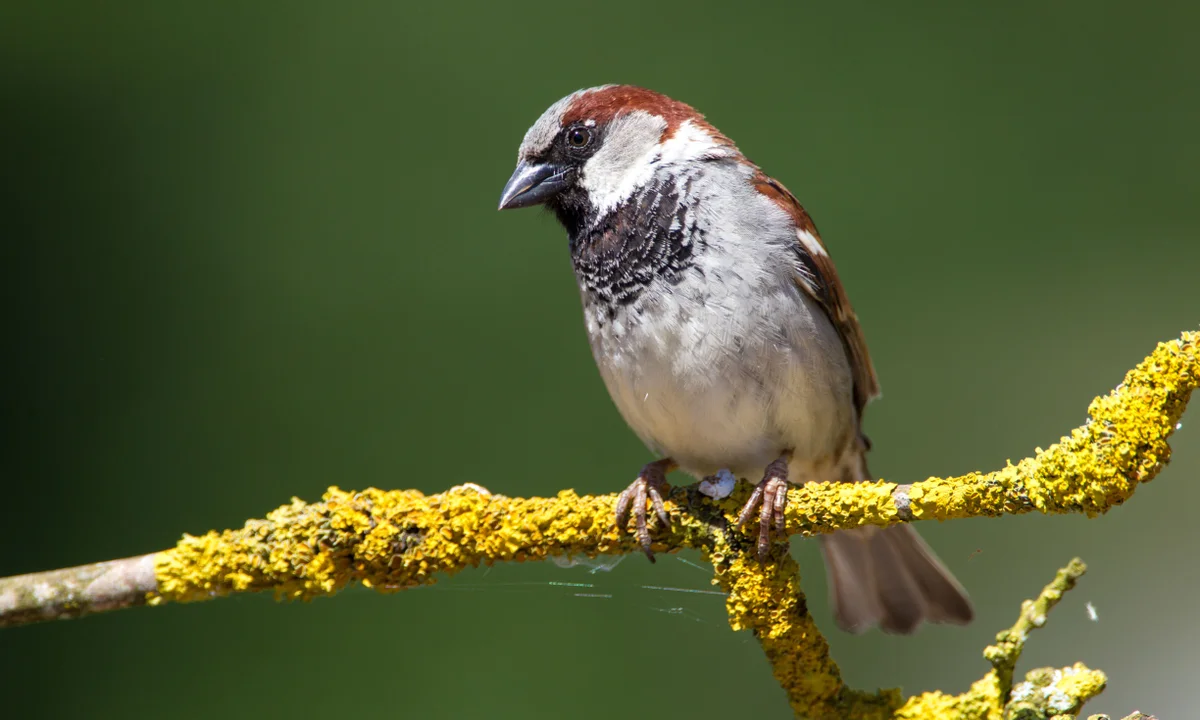
The symbolic power of World Sparrow Day lies precisely in its accessibility. It does not focus on distant rainforests or endangered megafauna alone; it centers on a bird that once shared our homes. Its message is intimate. Conservation begins at the window, on the balcony, in the courtyard.
The sparrow’s quiet resilience offers a lesson in humility. It does not demand vast territories or untouched wilderness. It asks only for small spaces and balanced surroundings. Its survival is intertwined with human moderation. When such a modest species faces decline, it compels introspection. If even the sparrow cannot thrive in our midst, what does that reveal about our ecological footprint?
There is also a psychological dimension to consider. The presence of birdsong contributes subtly to human well-being. Studies have associated natural sounds with reduced stress and improved mental health. The disappearance of sparrows diminishes not only biodiversity but also the sensory richness of daily life. Urban silence, punctuated solely by mechanical noise, erodes the organic harmony that once defined mornings.
Ultimately, the crisis of the sparrow is a microcosm of a larger reckoning. The Earth is not an inexhaustible resource bank; it is a living system of interdependence. Each species, however small, occupies a niche that supports the whole. When one thread unravels, the fabric weakens.
The choice before us is neither abstract nor distant. It unfolds in daily decisions — in the architecture we design, the chemicals we apply, the plants we cultivate and the compassion we nurture. If homes once again offer refuge, if courtyards once again echo with grains scattered for birds, if children grow up watching nests form above doorframes, the sparrow can return.
Saving the sparrow is not an act of nostalgia. It is an affirmation of coexistence. It acknowledges that human progress need not be synonymous with ecological erasure. The sweet, familiar chirp that once welcomed the morning can become more than a memory; it can be a measure of restored balance.
On this 20 March 2026, as we observe World Sparrow Day, the call is clear. Let each household become a sanctuary, each balcony a gesture of hospitality toward life beyond our own. In protecting the sparrow, we protect the intricate web that sustains us. And in ensuring that future generations wake to the sound of its cheerful song, we safeguard not only a species, but the enduring harmony between humanity and nature.
Comments are closed.