

Mir Gowhar
“For years, terrorism tested India’s restraint. Operation Sindoor marked the moment when restraint was no longer mistaken for weakness.”
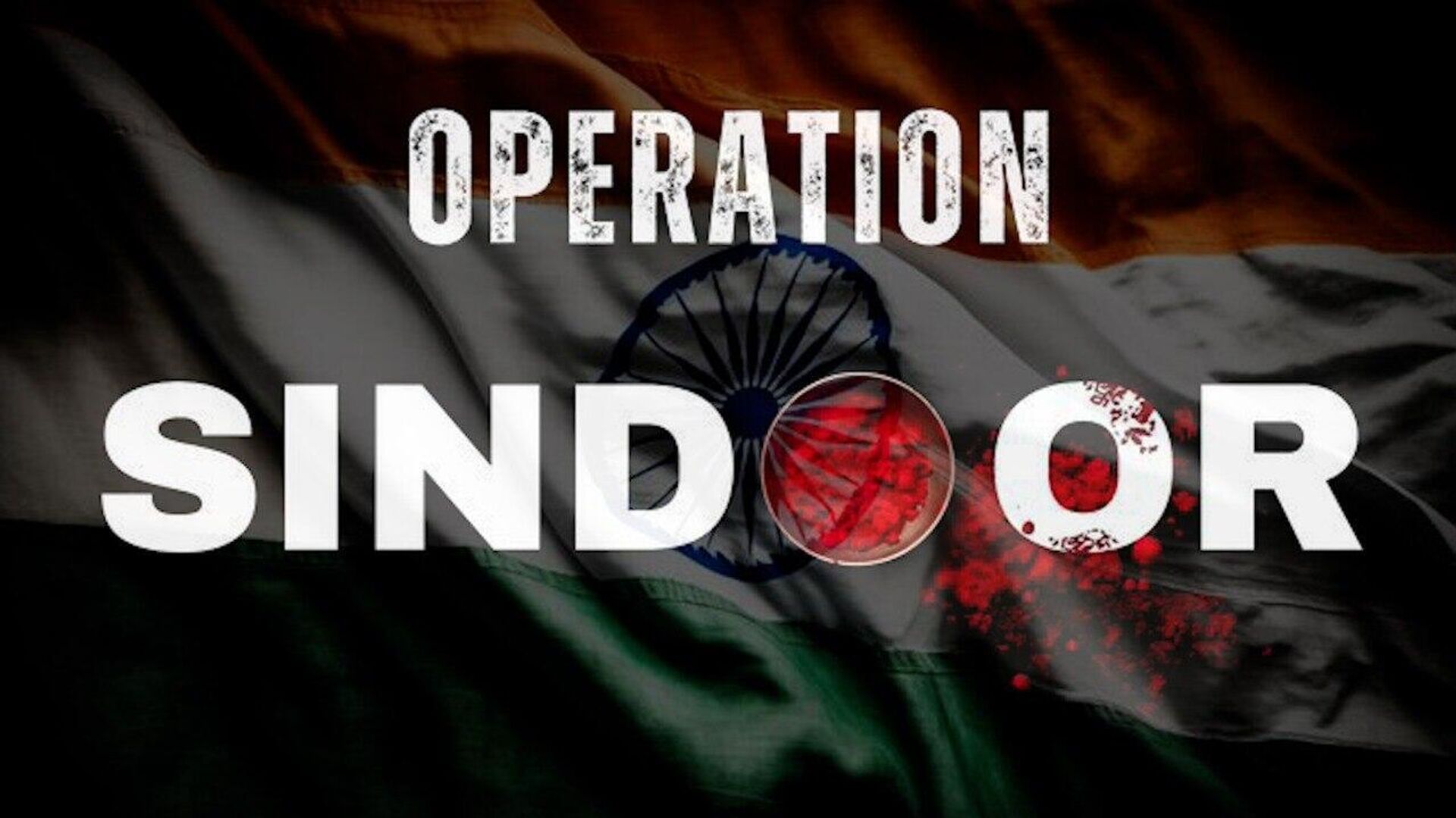
One year has passed since Operation Sindoor, yet its echo continues to resonate across the region. It was not merely a military operation—it was a defining moment when a nation, wounded by grief and anger, chose to respond with determination and resolve.
The trigger was the horrific terror attack in Pahalgam, where innocent tourists were brutally killed in cold blood. The tragedy shook the conscience of the country. Families were shattered, lives were lost, and a deep sense of pain spread across the nation. But beyond the grief, the attack was seen as something larger: a direct challenge to India’s sovereignty and patience.
This time, the response was not limited to condemnation or diplomatic caution.
Operation Sindoor was launched with precision, coordination, and purpose. Indian forces carried out targeted strikes on terror hideouts across the Line of Control, including infrastructure operating from Pakistan-occupied Kashmir and areas within Pakistan itself. It was a carefully planned mission aimed at dismantling the networks responsible for nurturing and facilitating terrorism.
What followed was swift, decisive, and unmistakable.
India’s armed forces struck with remarkable accuracy, destroying the very infrastructure that enabled such cowardly attacks on civilians. The operation reflected not only military capability but also the strength of intelligence coordination, technological preparedness, and strategic clarity. Most importantly, it showcased the courage and professionalism of the soldiers who transformed national grief into decisive action.
The message delivered through Operation Sindoor was loud and unambiguous: attacks on innocent Indians would no longer go unanswered.
For years, repeated provocations had tested India’s restraint. Terror attacks were often followed by denials, deflections, and attempts to manipulate international narratives. But Operation Sindoor altered that equation. Pakistan, which had long attempted to distance itself from accusations of supporting terror infrastructure, suddenly found itself under immense military and diplomatic pressure.
The operation pushed Pakistan onto the defensive. Its posture changed, its rhetoric shifted, and the global conversation around terrorism operating from across the border intensified. The world witnessed that India was willing not only to defend itself but also to act decisively when its citizens were targeted.
Operation Sindoor was therefore more than retaliation—it was a strategic reset.
It marked the end of an era where silence was mistaken for weakness. It established a new doctrine: that the cost of supporting or sheltering terrorism would no longer be ignored. The operation drew a clear line and made it evident that crossing it would invite consequences.
At the same time, the significance of Operation Sindoor extended beyond the battlefield.
Within India, it restored a sense of confidence and national unity. Citizens saw a nation capable of acting with clarity, strength, and conviction. Faith in the armed forces deepened further, as millions watched the Indian Army, Air Force, and intelligence agencies work in coordination to protect the country.
Yet, at its core, this story is not only about military success. It is about the innocent lives that were lost in Pahalgam.
Those victims remain the emotional heart of this chapter. Their memories continue to remind the nation why such operations become necessary. They were ordinary people whose lives were stolen by an extraordinary act of brutality. Operation Sindoor became, in many ways, a tribute to them—a message that their deaths would not fade into silence or statistics.
A year later, the operation stands as one of the defining moments in India’s modern security history. Not because it glorified conflict, but because it demonstrated controlled strength. Not because it sought war, but because it established deterrence.
India’s objective was never aggression. Its objective was to send a clear signal: terrorism cannot coexist with peace, and attacks on innocent civilians will not remain unanswered.
Operation Sindoor did precisely that.
It drew the line. And it made the world understand that India possesses not only patience and restraint, but also the will and capability to defend its people when that line is crossed.
Comments are closed.