

Beigh Bisma
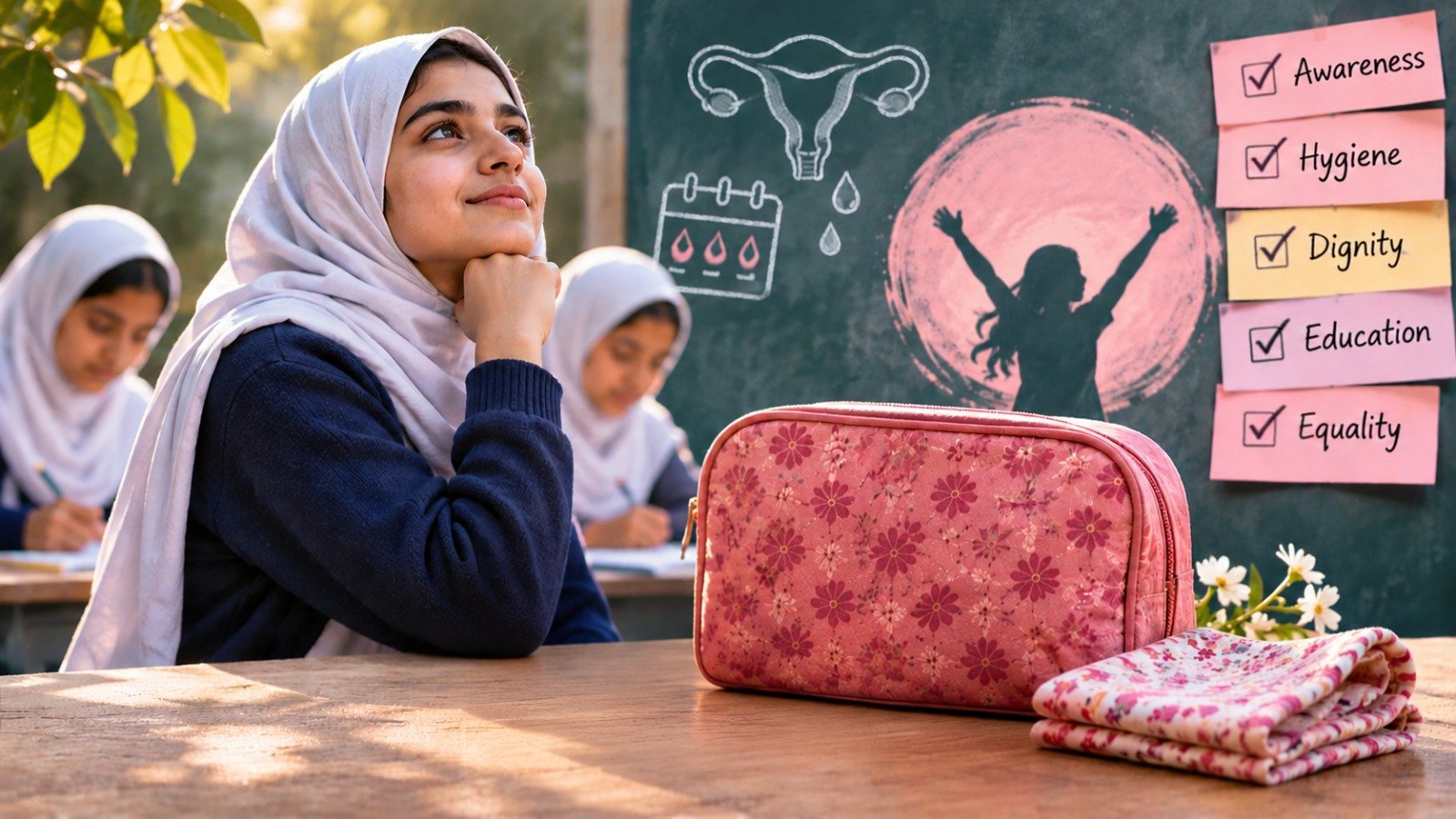
“Menstruation is a natural biological process, not a source of shame. Every girl deserves awareness, dignity and proper menstrual hygiene.”
Menstruation, for a long a taboo topic, has been associated with silence, stigma, and shame in many parts of the world. Menstruation is considered unclean and shameful in South Asia, and the monthly cycle of young women is whispered about or completely silenced. Terms such as “that time of the month” and other euphemisms have become part of the conversation where menstruation should be openly discussed. But there is now an emerging cultural change. There is a shift from silent suffering to an empowered experience. Nowadays, there is increasing discussion around Menstrual Hygiene Management (MHM), which breaks patriarchal norms and taboos to make menstruation a normal process.
Menstrual Hygiene among Adolescent Girls
Adolescence is a phase of transition characterized by a rapid development of physical, emotional, and psychological processes in one’s life. The initiation of menarche among girls signifies the arrival of womanhood in them. Sadly, millions of adolescent girls are fearful and anxious about menarche due to a lack of preparation and understanding.
Several surveys and public health reports have consistently shown that a good number of girls have no prior knowledge regarding menstruation before they start getting periods. Lack of awareness causes psychological trauma and fear for many adolescent girls who consider themselves to be suffering from an unusual disease or injury.
In addition to posing a serious threat to their mental well-being, the poor hygiene practices surrounding menstruation affect the physical health of young women. The unavailability of affordable and quality sanitary pads forces adolescent girls to use unsafe means such as rags, husks, sand, and ash which cause RTIs and UTIs. In addition to that, the lack of WASH facilities in schools (such as faulty toilet locks, no running water, and no proper disposal method) forces many girls to skip school for a few days
The Price of Taboos and Social Stigma
The social taboos surrounding the menstrual cycle go deeper and have been embedded in cultures and religions. In many societies, menstruating females face stringent limitations:
They are usually not allowed entry into places of worship or to come into contact with sacred things. They are prohibited from entering kitchens and coming in contact with food items on account of being considered “impure. “In some cases, they are even isolated outdoors in sheds or isolated in corners of the house during their menstrual cycles (like Chhaupadi, prevalent in some regions of Nepal or other similar social practices practiced in some rural areas).
All these social taboos foster an inherent feeling of inferiority complex and shame in adolescents. When young girls grow up believing themselves to be “unclean” during a natural biological process, it takes a toll on their self-confidence, self-respect, and their mental health. The practice of keeping mum makes sure that the pain during the menstrual cycle is ignored as something women need to endure quietly without seeking medical help for issues such as endometriosis or PCOS.
Education: The Driving Force of Change
Knowledge is one of the most effective cures against feelings of shame. For a change in the menstrual world to occur, it should be provided in a structured manner to adolescents and young adults in the form of education.
-
Overcoming Barriers of the Education Curriculum
Menstruation education can no longer be an add-on to school books that girls receive during their puberty period. It should be included in the school curriculum prior to menarche and provide biological information on the reproductive system, proper hygienic practices, and waste management.
-
Engaging Boys and Men
For a very long time, menstrual hygiene was considered to be a “woman’s” issue. Real change begins to happen when boys, fathers, and teachers participate in the conversation on the matter. Normalization of menstruation for boys leads to the elimination of teasing, bullying, and general ignorance of girls, resulting in a positive atmosphere of compassion and shared responsibility.
-
Open Discussions at Home
Parents should overcome the intergenerational silence on the matter. When mothers discuss periods with their daughters, it removes all fear and replaces it with confidence.
Policy Intervention and Technology Innovation
The government, NGOs, and social enterprises are increasingly recognizing menstrual hygiene as a fundamental public policy issue tied to human rights and health.
Distribution Programs: Several state governments have launched initiatives to make sanitary napkins free or highly subsidized to make them affordable, especially for poorer households.
Investment in WASH infrastructure in Schools: It is vital to invest in school sanitation in order to provide access to toilets, water, soap and even incineration facilities in schools to reduce the number of girls who dropout from schools.
Eco-friendly Alternatives: The emergence of eco-friendly menstrual products, which include the use of cloth pads and menstrual cups, is helping to address the challenge of high costs of sanitary products as well as environmental pollution resulting from the use of non-biodegradable plastic sanitary pads.
A Way Forward: A Vision for Tomorrow
The goal of “Periods without Shame” necessitates an all-rounded commitment of the following nature:
De-Stigmatization in Public Places: The media, movies, and advertisements must continue to present a realistic view of periods, avoiding the blue liquid stereotypes and encouraging open conversations on the matter.
Policies that are Inclusive: Organizations of learning and places of work must make available free menstrual products and comfortable restrooms, recognizing menstrual health as an issue of workplace equality.
Champions on the Ground: ASHA workers, Anganwadi workers, and youth leaders are important players in breaking the myths in rural areas.
Menstruation is a sign of life and good health and should never be a hindrance to education and success. By bringing out science where there was only silence before and empathy where there was exclusion before, we will ensure that every adolescent girl enters womanhood with pride, knowledge, and without shame.
“Menstruation should never become a barrier to education, dignity or success. Every adolescent girl deserves to experience this natural stage of life with knowledge, confidence and without fear.”
Comments are closed.