Srinagar, Oct 20: With declining snowfall posing a challenge to winter tourism, the Jammu and Kashmir Tourism Department is planning to organise winter carnivals at multiple destinations, expand skiing activities beyond Gulmarg and explore artificial snow facilities to sustain tourist footfall.
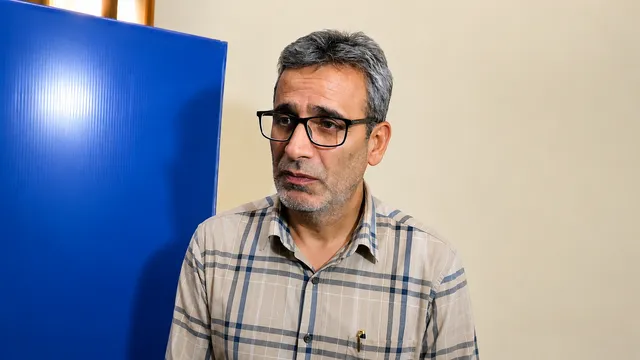
In an interview with Kashmir Convener, Director Tourism Kashmir Syed Qamar Sajjad said the department was planning two- to three-day winter carnivals at different destinations this season, in addition to the seven-day New Year carnival traditionally organised in Gulmarg.
“We want to organise a two- or three-day carnival at different places this year,” Sajjad said, adding that the department was also considering skiing tournaments and exploring the possibility of hosting national-level winter sports competitions.
The department is looking to expand skiing training programmes to Sonamarg and Pahalgam, besides Gulmarg, while Doodhpathri could also be considered depending on weather conditions, accessibility and feasibility.
Director tourism said the tourism sector remained a major source of livelihood in Kashmir, supporting not only hoteliers, restaurant owners, transporters and houseboat operators but also artisans engaged in handicrafts, papier-mache and other traditional crafts.
“After agriculture and horticulture, tourism is among the sectors providing significant employment opportunities to the youth,” he said.
On tourist arrivals, Sajjad said the department did not have a foolproof mechanism to count visitors and relied partly on feedback from tourism stakeholders to assess the sector’s performance.
While tourist footfall had been affected by adverse developments during the previous year, he said, the sector was showing signs of stability, with an overall upward trend.
The winter season’s performance, however, would depend significantly on weather conditions, particularly snowfall and road accessibility.
“If the weather is favourable, there is snowfall and the roads remain accessible, we can expect a good number of tourists during the current year,” he said, referring to the November-January period.
The declining duration of snow cover, which Director Tourism attributed to global warming, has emerged as a key concern for winter tourism. The department is exploring artificial snow facilities and alternatives such as skating rinks to sustain winter activities when natural snowfall is inadequate.
Consultants are preparing a detailed project report for proposed artificial snow-related infrastructure at Kongdoori near Gulmarg, he said.
The department has also developed a new skiing shop in Gulmarg, which it hopes to operationalise this winter, while an existing facility is being upgraded. Skiing equipment has been procured, Director Sajjad added.
The department is also looking to broaden the range of winter activities available to tourists by expanding skiing opportunities to other destinations, subject to suitable conditions.
Director tourism said infrastructure upgradation and improved service delivery were among the department’s key priorities. Existing government tourism facilities need modernisation and, where appropriate, could be outsourced to improve their functioning and create employment opportunities for local residents, he said.
He also stressed the need to improve the quality of services provided by taxi operators, transporters, hotel staff, travel agents and other tourism-related businesses.
Service providers must respond promptly to visitors’ requirements and grievances, he said, adding that better hospitality and effective grievance redressal could encourage tourists to return and recommend Kashmir to others.
Tourism businesses should also be sensitive to the food preferences of visitors from different parts of the country while continuing to promote Kashmiri cuisine and cultural traditions, he said.
The department is working with other agencies to showcase Kashmir’s culinary traditions, handicrafts and cultural heritage as part of efforts to diversify the tourism experience.
He cited a five-day food festival at Zabarwan Park as an initiative to promote local cuisine. The Handicrafts Department, he said, was facilitating free tours for tourists to Srinagar’s downtown areas to introduce them to local artisans and traditional crafts.
These initiatives are intended to bring lesser-known aspects of Kashmir’s cultural heritage into the tourism circuit while creating additional livelihood opportunities for artisans, he said.
The department also plans to bring sporting events back onto the tourism calendar to attract visitors beyond the peak tourist season.
Director tourism said the broader strategy was to upgrade infrastructure, train tourism workers and expand winter activities while ensuring that tourism development remained compatible with environmental protection.


Comments are closed.