

From Playgrounds to Purpose: Making the Nasha Mukt Campaign a Year-Round Commitment

Mudasir Bashir


Drug abuse is among the most serious social and public-health challenges facing individuals, families and communities. Its effects can extend into education, employment, family relationships, mental health and social well-being. Responding to it requires more than occasional warnings or short-term messaging. It calls for sustained awareness, early intervention, professional counselling, family support and meaningful opportunities that help young people develop confidence, healthy routines and a sense of purpose.

The 100-Day Nasha Mukt Abhiyaan has helped bring the message of prevention and shared responsibility into schools, playgrounds, neighbourhoods and communities. Within this effort, sports and physical education can play a valuable role. They encourage teamwork, discipline, resilience and constructive use of leisure time, while creating supportive spaces in which young people can build friendships and feel connected to their communities. Their contribution is strongest when combined with family guidance, healthcare, counselling and rehabilitation services.

Participation is an important start not the final measure

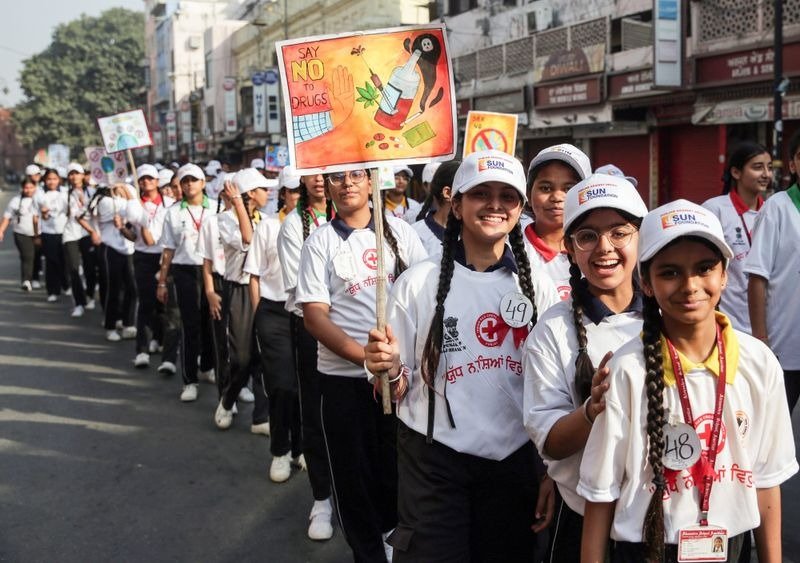
The Department of Youth Services & Sports, Srinagar, has supported the campaign through its network of schools, playgrounds, sports centres, competitions, fitness programmes and community activities. Anti-drug rallies, pledge ceremonies, sports events, cyclothons and awareness programmes have carried the message to a wide range of communities and encouraged young people to become active participants in prevention.

According to consolidated figures provided by the department up to October 2026, the campaign recorded the following activities and participation:


Campaign figures reported by the department

Activity

Events/Activities

Participation

Awareness Rallies and Campaigns

42

4,662

Pledge Activities

320

218,374

Sports Events

1,463

155,678

Cyclothons

13

1,142

Other Activities

5,104

54,274

Total

6,942

434,130

Source: Department of Youth Services & Sports, Srinagar. Figures reported as consolidated departmental data up to October 2026.


What the numbers tell us and what they do not

The reported figures indicate substantial outreach and coordination. Pledge activities account for the largest reported participation, while sports events have also brought many people together around a positive cause. Rallies, cyclothons and other activities have helped take the message beyond institutional settings and into the wider community.

However, activity counts and participation figures do not, by themselves, demonstrate a reduction in substance use or prove lasting changes in behaviour. Their interpretation also depends on how participation was counted—for example, whether figures represent unique individuals or attendances across multiple events. These distinctions should be made clear wherever the data are published.

The long-term value of the campaign will depend on what follows: whether young people remain engaged, whether families know where to seek help, whether people in distress can access confidential support, and whether services can identify gaps and respond to them. A pledge becomes meaningful when it is supported by practical opportunities, trustworthy guidance and accessible care.

Teachers and coaches can connect young people with support

Physical education teachers and sports coaches are important partners in prevention because they interact regularly with students and young athletes. Through inclusive activities and constructive mentoring, they can promote healthy routines, confidence, emotional resilience and supportive peer relationships. They may also notice changes such as withdrawal, declining participation or visible distress and encourage a young person to speak with a trusted adult.

Their role, however, has clear limits. Teachers and coaches are not substitutes for trained counsellors, healthcare professionals or addiction specialists, and they should not be expected to diagnose or treat substance-use disorders. When a young person appears to need help, the appropriate response is compassionate, discreet and non-judgmental referral to qualified services. Protecting privacy and avoiding humiliation are essential if individuals and families are to feel safe seeking assistance.

A practical agenda beyond the 100 days

The conclusion of a 100-day campaign should mark a transition to sustained action, not the end of engagement. Schools, sports institutions and communities can turn campaign momentum into a year-round programme through a few practical steps.

First, schools and community sports facilities can maintain regular sports sessions, fitness drives and inter-school competitions, with opportunities for young people of different abilities and levels of experience. Participation should not be limited to talented athletes. Girls, children with disabilities and young people from underserved communities should also have safe and meaningful opportunities to take part.

Second, teachers and coaches can receive basic training in substance-use awareness, safeguarding, recognising distress and referral procedures. They need clear guidance on whom to contact when a student or athlete requires specialised support.

Third, schools and local institutions can strengthen links with qualified counsellors, health authorities and rehabilitation services. Awareness programmes should tell young people and families where confidential, professional help is available, rather than merely warning them about the risks of substance use.

Fourth, parent meetings and community engagement can help families communicate openly with young people, recognise when support may be needed and avoid stigma. Prevention is more effective when young people are listened to and treated with dignity.

Finally, departments and partner organisations should review outcomes after the campaign. Reporting should distinguish activities and attendance from longer-term indicators, such as continued participation, awareness of referral services and whether people who seek help are connected with appropriate care. Data should be used to identify communities that need additional attention and to improve future programmes.

Sports as part of a wider response

Sports cannot eliminate drug abuse on their own. Substance use can involve medical, psychological, social and family-related factors, and effective responses require cooperation among families, schools, healthcare providers, rehabilitation services, communities and law-enforcement agencies. Sports should be understood as one part of this wider response: a way to build connection, provide constructive opportunities and help young people feel that they belong.

From the playground to the wider community, sport can offer discipline, confidence, friendship and purpose. The 100-Day Nasha Mukt Abhiyaan has created opportunities to carry the message of prevention to a broad audience. The next test is whether those opportunities lead to sustained engagement and stronger support systems after the campaign period.

A successful campaign should leave more than memories of rallies and pledges. It should leave active playgrounds, informed families, trained mentors, clear referral pathways and accessible professional support. That is how a time-bound campaign can become a lasting commitment to healthier, safer and more supportive communities.


The author is presently working as Rehbar-e-Khel, in Department of Youth Services & Sports, Srinagar

Comments are closed.