

The Role of Muslim Women in the Azad Hind Fauj

Tamanna Hazarika


“The contribution of Muslim women to the Azad Hind Fauj is therefore an important part of the wider history of India’s freedom struggle. They served as soldiers, nurses and supporters and faced difficult circumstances with courage and determination. Their participation also reflects the diverse character of the INA and its attempt to bring Indians together in the cause of independence.”

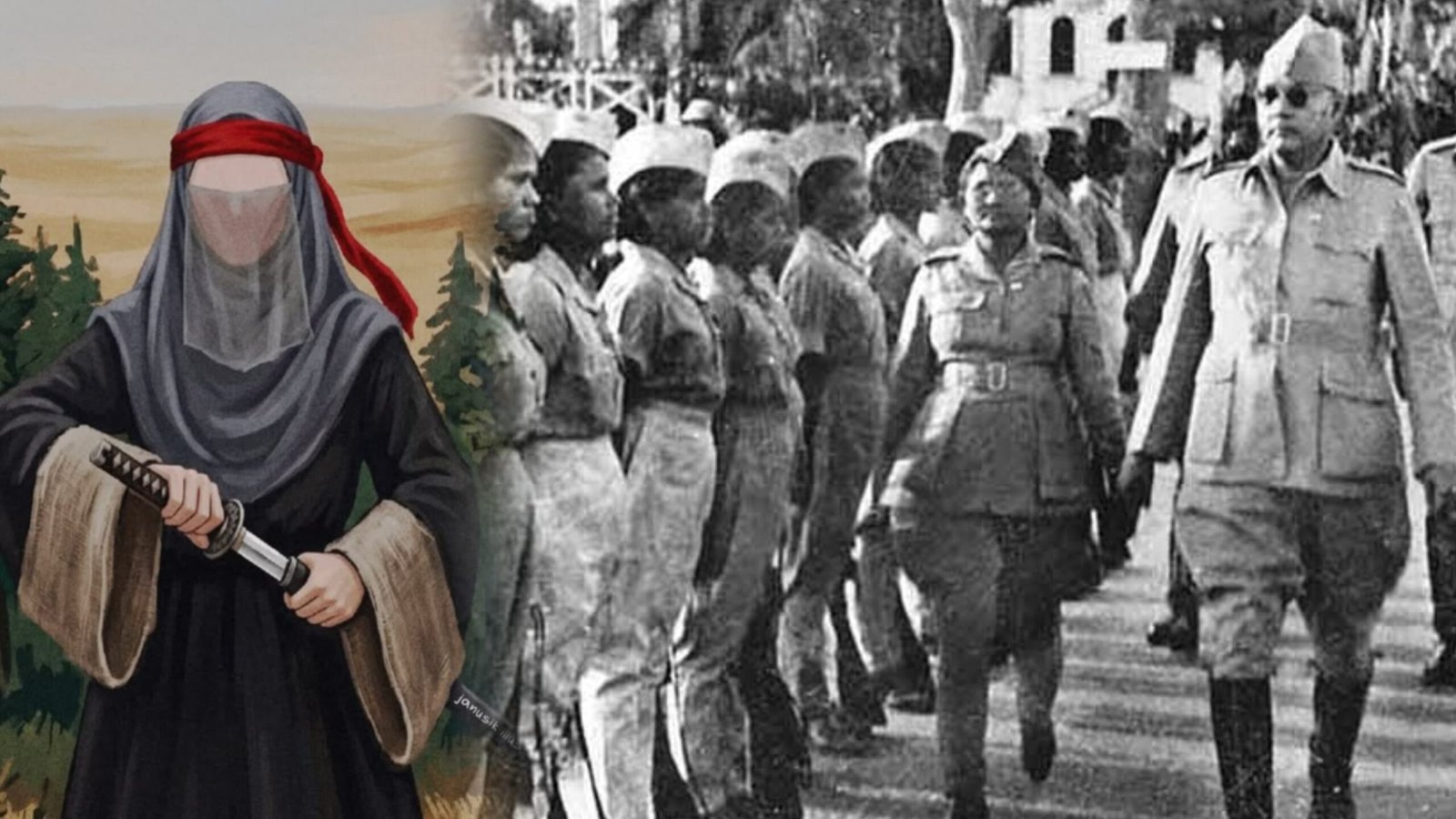
The Azad Hind Fauj, or Indian National Army (INA), was an armed force formed during the Second World War to fight British rule. The INA was organised in Singapore in 1942 by Captain Mohan Singh, with Indian prisoners of war who had served in the British Army. Muslim women played an important role in the Azad Hind Fauj, particularly through the Rani of Jhansi Regiment, the women’s military unit formed under the leadership of Netaji Subhas Chandra Bose in 1943.

The Rani of Jhansi Regiment recruited women of Indian origin living in places such as Burma, Malaya and Singapore. Women from different religious and social backgrounds joined the regiment. Muslim women were among those who joined and received military training alongside women from other communities. Their participation reflects the INA’s emphasis on unity beyond religious differences. The women recruits were given military training. Some were also trained for medical and nursing duties.

One of the Muslim women associated with the Rani of Jhansi Regiment was Sultana Saleem, who came from an Indian immigrant family in Burma. She joined the regiment and underwent military training along with other recruits. She later rose to a senior position. Sultana Saleem strongly supported military training for women. She believed that military training could develop discipline, courage, self-defence and fearlessness among women. She believed that people of different religions and communities could work together for the independence of India. Her views reflected the broader message of the Azad Hind Fauj.

Other Muslim women also contributed to the INA in different ways. Lt. Shamshad Begum of Lahore who belonged to the Kamboj community, associated with the Rani of Jhansi Regiment, serving as a nursing officer. She provided nursing care and medical assistance to those who needed it. There were also women connected with the INA, like the daughters of Major Wahab Khan, who were living in Thailand, working for the freedom struggle of Indians.

Muslim women contributed to the movement while also demonstrating that the struggle for independence was not limited to one community. The contribution of Muslim women to the Azad Hind Fauj is therefore an important part of the wider history of India’s freedom struggle. They served as soldiers, nurses and supporters and faced difficult circumstances with courage and determination. Their participation also reflects the diverse character of the INA and its attempt to bring Indians together in the cause of independence.

Although detailed records about many of these women are limited, their contributions deserve recognition. The stories of women such as Sultana Saleem and Lt. Shamshad Begum remind us that Muslim women, like women from other communities, took part in the freedom movement and made their own contribution to India’s struggle for independence.


The author is based in Nagaon, Assam, and primarily focuses on women’s history. She can be reached at tamannahazarikax@gmail.com

Comments are closed.