Dakshina Chitra offers a model to preserve Kashmir’s vanishing traditional architecture

“The model for preserving such houses is available with us, and anyone can approach us”

Sheikh Saleem


Chennai, September 14: A museum in Tamil Nadu is offering a practical model for preserving traditional architecture by carefully dismantling authentic old houses and reconstructing them within a heritage museum. The approach provides a striking example of how architectural heritage can be preserved rather than lost to modernisation.

The model assumes significance for Kashmir, where rapid urbanisation is gradually eroding the Valley’s traditional architectural character. Several old homes and architectural landmarks are being demolished to make way for concrete structures and modern designs, raising concerns over the loss of Kashmir’s distinctive architectural and artistic legacy.
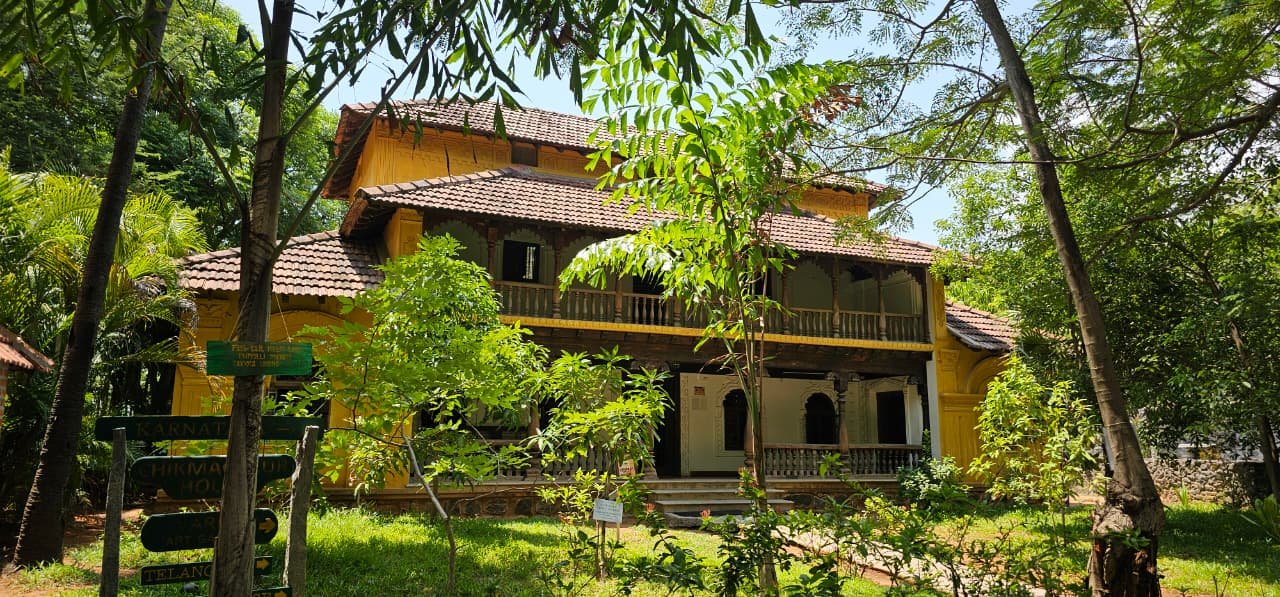
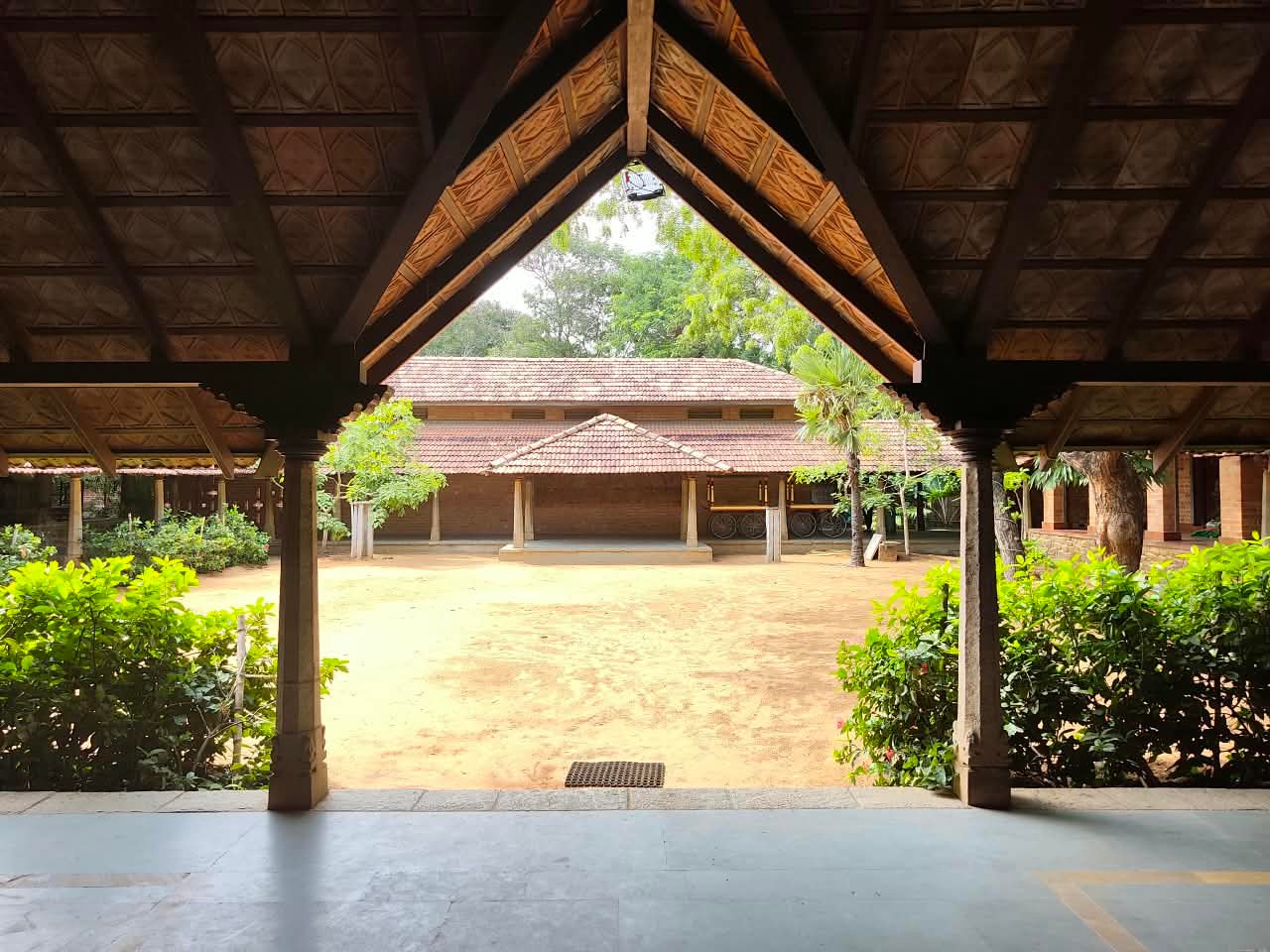
 

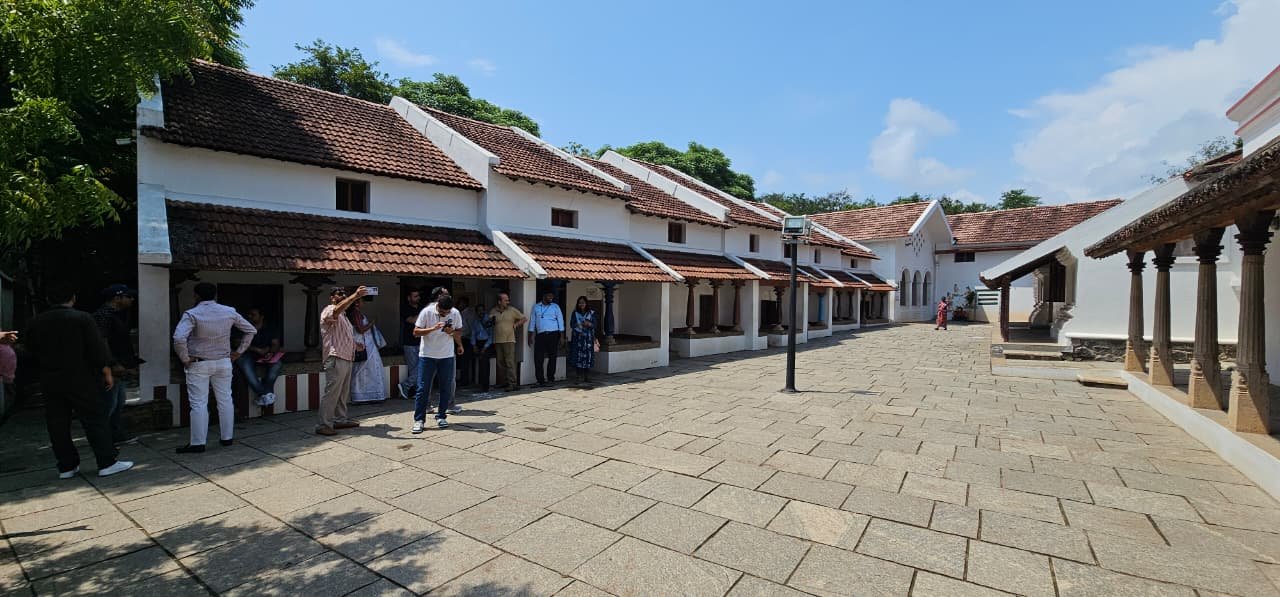
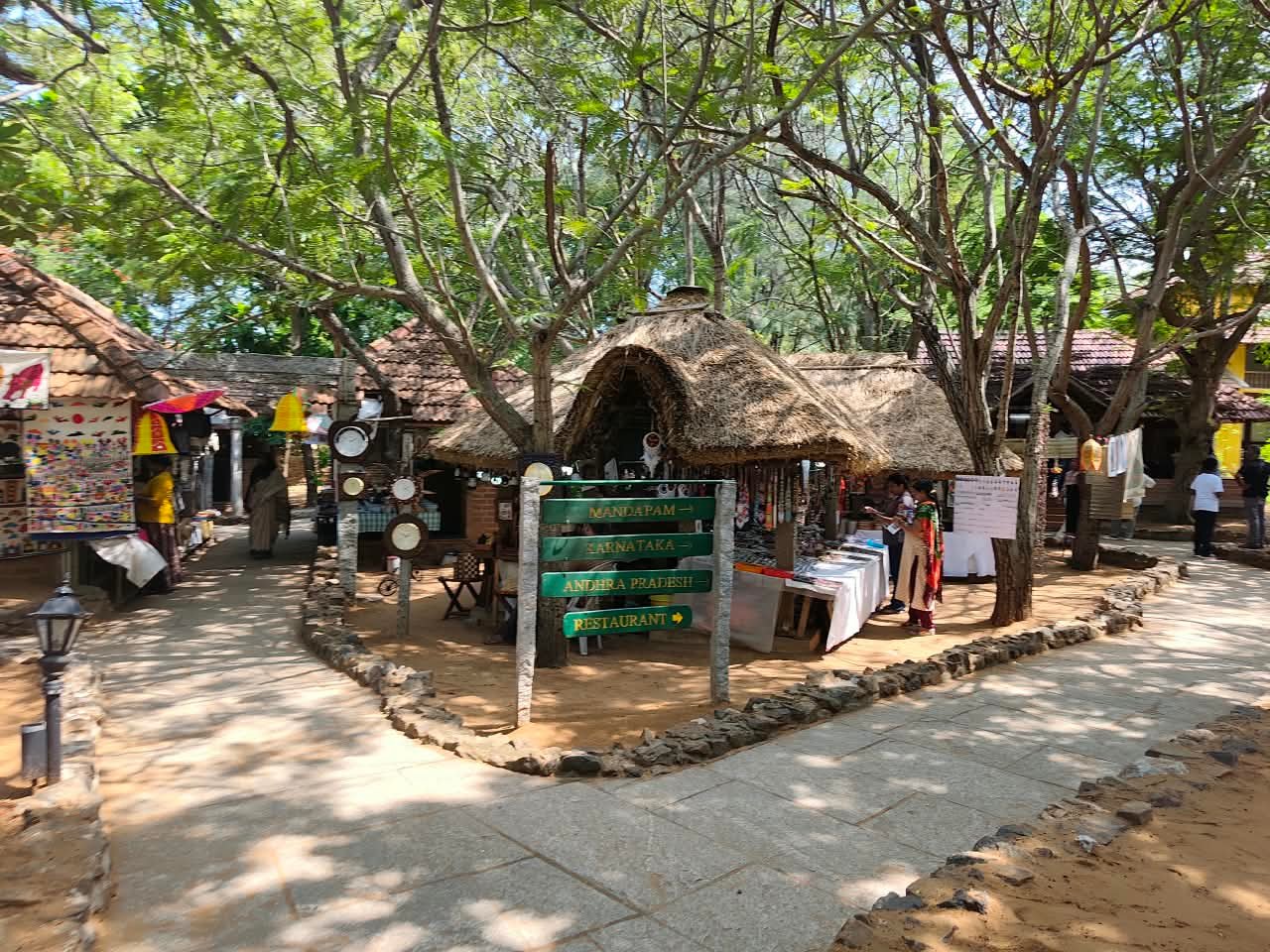
The DakshinaChitra Museum, located at Muttukadu on the East Coast Road near Chennai, was founded in 1996 by Dr Deborah Thiagarajan, an American-born art historian who came to India from the United States and dedicated her work to preserving the traditional arts, crafts, architecture and lifestyles of South India.

Speaking to Kashmir Convener, museum Director Sharath Nambiar said Dr Thiagarajan realised in the 1990s that traditional architecture, arts and lifestyles in South India were rapidly disappearing under the pressure of urbanisation.

“She found that old homes were being demolished and replaced by concrete structures with modern designs. There was a concern that, at this pace, the next generation would not be able to see and understand the architectural heritage of the region,” Nambiar said.

He said DakshinaChitra was established through a project of the Madras Craft Foundation, a non-governmental organisation, with the objective of preserving representative examples of South India’s traditional built heritage.

Nambiar said one of the distinctive features of the museum was its approach to acquiring old houses. When owners decide to demolish a traditional house, the foundation negotiates with them and purchases the structure. Before dismantling it, architects document the house in detail, recording its design and architectural features.

“The interesting thing is that we bring our own architects to document every detail before the house is demolished. We then dismantle it ourselves and bring almost everything to the museum—roofing material, windows, doors, utensils, photo frames and other architectural and household elements, except the bricks,” Nambiar said.

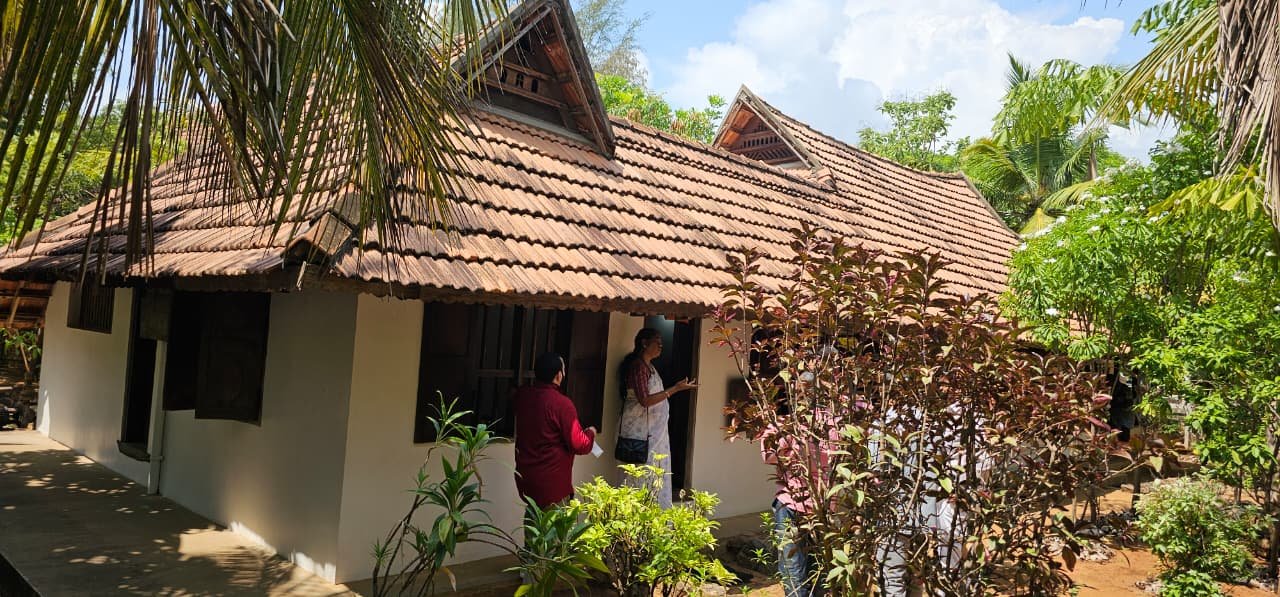
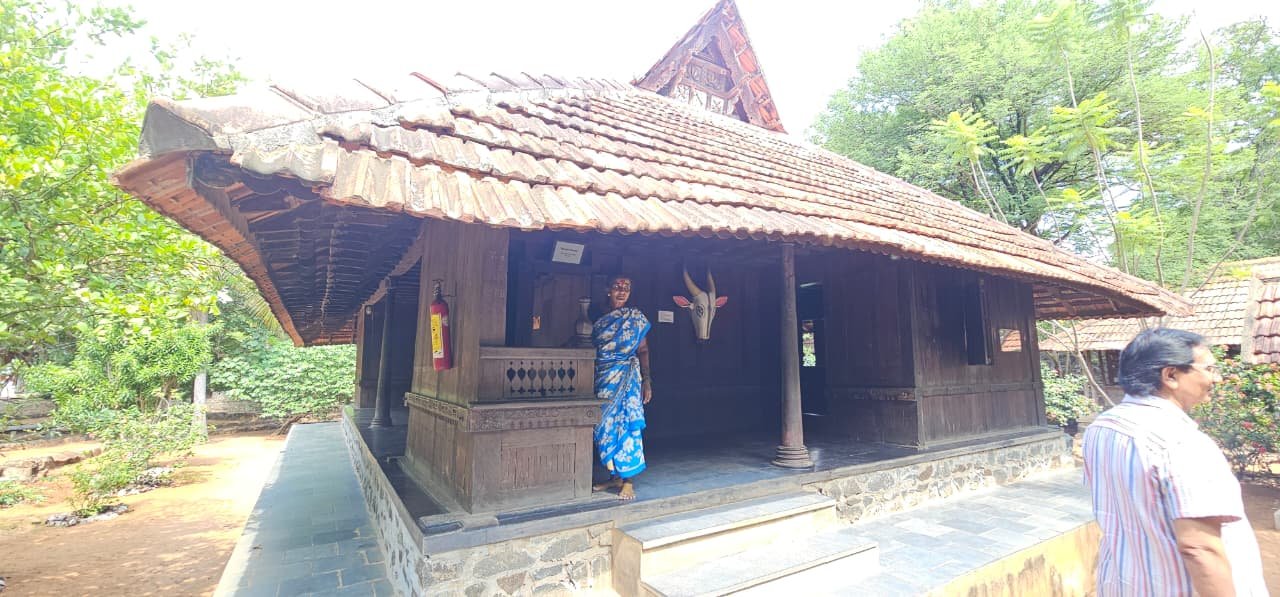
The structures are subsequently reconstructed at DakshinaChitra in accordance with their original designs, using the original materials and traditional craftsmanship. Artisans, including sthapatis (traditional architects) from the same area where the houses originated, are involved in the reconstruction.

“That is the peculiarity of this museum. We have real houses of common people, reconstructed with real material,” Nambiar said.

The museum currently has 21 authentic historical houses, each accompanied by contextual exhibitions. Of these, nine are from Tamil Nadu, five each from Karnataka and Kerala, and one each from Andhra Pradesh and Telangana. According to Nambiar, all the houses reconstructed at DakshinaChitra had been offered for demolition by their owners.

Among the major attractions are the Tamil Nadu Merchant House, Brahmin House, Silk Weavers House, Hindu House of Mankavu in Calicut, Kerala Silk Weavers House, Syrian Christian House and Potters House.

The lifestyle of the communities that lived in these houses has been exhibited in each house.

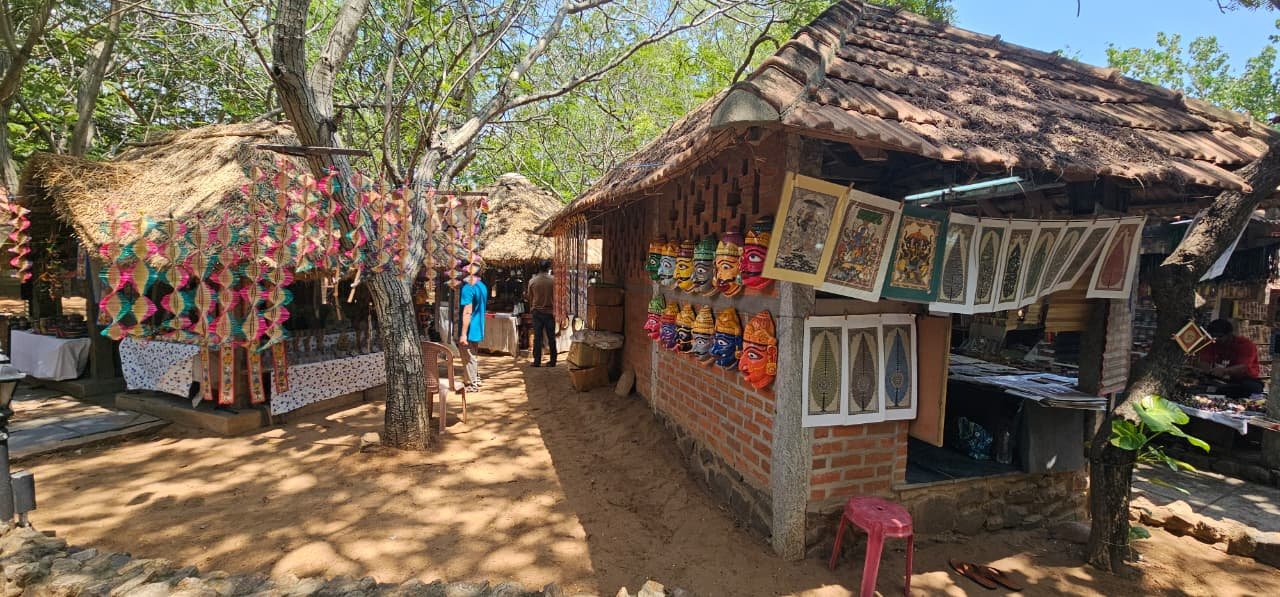
Nambiar said the museum’s broader mission was to exhibit, promote and preserve the diverse cultures of South India while presenting traditional arts and heritage to the public through participative and engaging programmes.

He said a similar approach could be explored for Kashmir, which has its own distinctive architectural traditions and a rich cultural heritage.

“Kashmir has a rich cultural heritage and we are ready to provide the requisite technical support to any government or privately supported initiative in this regard. The model for preserving such houses is available with us, and anyone can approach us. We are ready to collaborate,” Nambiar said.

He said DakshinaChitra regularly organises workshops, training programmes and seminars at the museum as well as in schools and colleges to sensitise younger generations to traditional arts and heritage.

“We promote crafts through hands on activities and workshops for our visitors. Learning based special activities for students and children (both rural and urban) are organized regularly to help increase their awareness and appreciation of the cultural heritage of South India.,” he added.

Nambiar also said folk singers and artists from Kashmir had visited the museum in the past and performed alongside artists from southern states, revealing similarities between different cultural traditions.

“It is about how people connect with each other and feel proud of their own cultures,” he said.

A group of 13 journalists who visited DakshinaChitra on Monday said the museum’s approach could offer useful lessons for Jammu and Kashmir, particularly in preserving traditional residential structures that are increasingly vulnerable to demolition and deterioration.

Journalist Shafat Malik said the disappearance of Kashmir’s old residential architecture represented a cultural loss rather than merely a change in housing patterns.

“What is disappearing is much more than old walls and roofs. Traditional Kashmiri houses carried a record of how people adapted to the Valley’s climate, earthquakes, snow and locally available materials,” Ahmad said.

He said features such as timber construction, brick and mud plaster, sloping roofs, carved windows and doors and wooden balconies reflected the region’s architectural identity.

Malik said many such structures were now being demolished because of changing needs and their deteriorating structural condition. Some old houses along the Jhelum in Srinagar and abandoned houses in remote villages, including some Pandit homes, remain vulnerable.

“This model from Tamil Nadu is worth exploring elsewhere to preserve the architectural identity that remains for future generations,” he said.

Another visiting journalist Faisal Bukhari said  after visiting DakshinaChitra he learned that preservation need not always mean leaving an old structure at its original location. Where conservation in situ is not feasible, carefully documenting, dismantling and reconstructing heritage houses with their original materials could provide an alternative way of ensuring that disappearing architectural traditions remain accessible to future generations.

Another Journalist, Sheikh Imtiyaz  said  interestingly Jammu and Kashmir and Tamil Nadu are states paired together under Ek Bharat Shreshtha Bharat (EBSB) that aims to enhance interaction and promote mutual understanding between people of paired stated.

“We in Jammu and Kashmir can take the best practices of Tamil Nadu in the preservation and promotion of traditions, culture and architecture. They have worked well on these fronts, where we are lagging in Kashmir,” he said.

Comments are closed.