SRINAGAR, JULY 16: Jammu and Kashmir is set to introduce a comprehensive Minor Mining Policy-2026 aimed at creating an efficient, transparent and technology-driven framework for scientific management of minor mineral resources, with a strong focus on curbing illegal mining, streamlining approvals and protecting the interests of traditional mining communities.
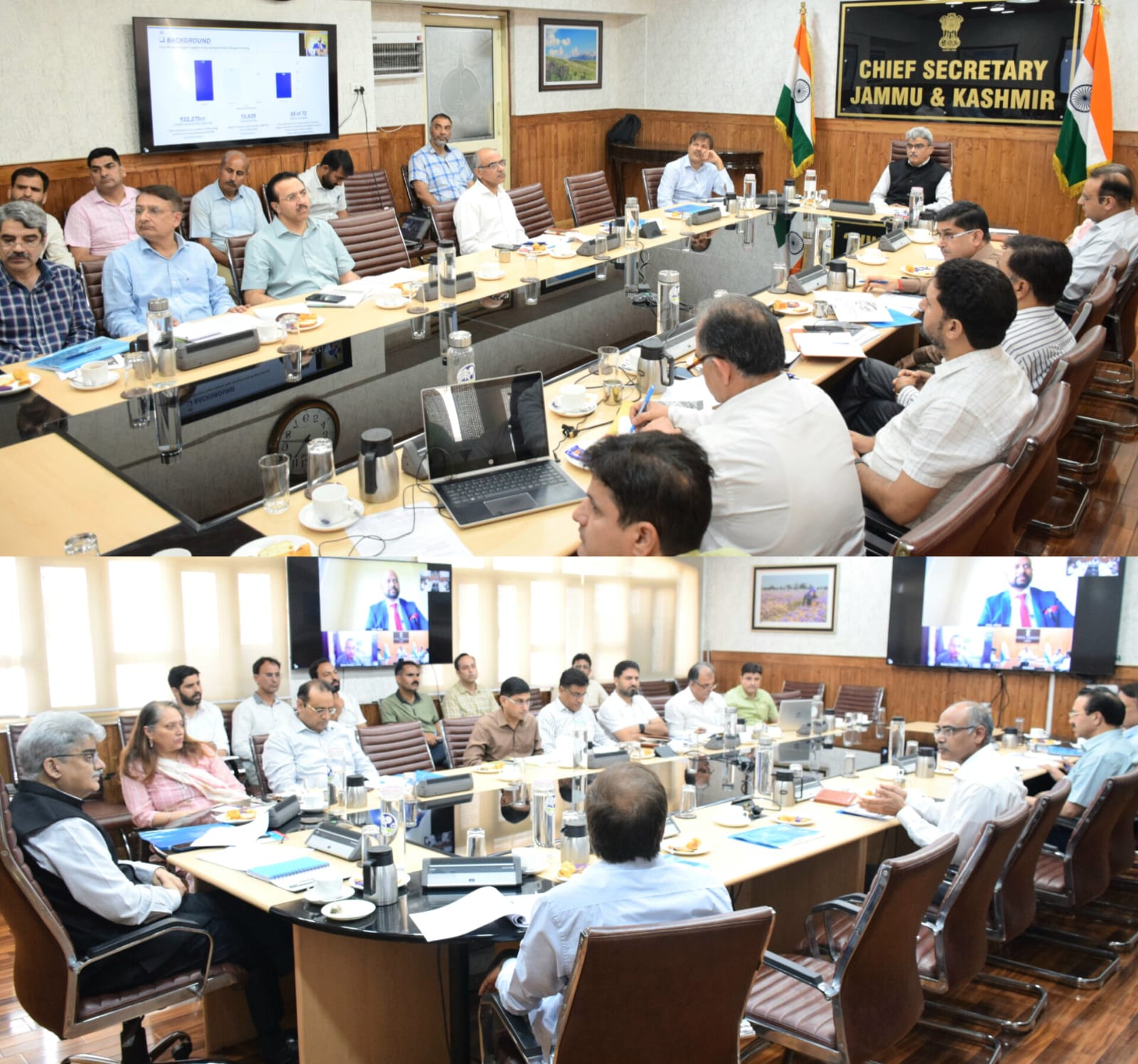
The proposed policy came up for detailed deliberations at a high-level meeting chaired by Chief Secretary Atal Dulloo. The meeting was attended by Additional Chief Secretary, Mining, Ashwani Kumar, administrative secretaries of stakeholder departments, divisional administration, the Pollution Control Committee and other stakeholders.
A presentation by the Centre for Innovation, Technology Assessment and Good Governance (CITaG) highlighted shortcomings in the existing regulatory framework and outlined reforms proposed under the new policy, including adoption of modern technology, legal safeguards and simplified regulatory mechanisms.
Chairing the meeting, the Chief Secretary directed that the proposed policy should strictly conform to Central legislation governing minor minerals and incorporate best practices adopted by progressive states, particularly Odisha, while tailoring them to Jammu and Kashmir’s specific requirements.
He stressed that the policy should ensure a transparent digital ecosystem enabling participation of traditional miners while preventing transfer or subletting of mining rights. Dulloo also underscored the need for legally sound provisions relating to penalties, seizure and enforcement, and called for stronger deterrent measures against habitual offenders involved in illegal mining.
The meeting emphasized the importance of extensive inter-departmental consultations before finalising the policy and directed preparation of a detailed implementation roadmap outlining timelines, departmental responsibilities, technological interventions and required amendments to existing rules.
Among the key reforms discussed were priority supply of minor minerals for government infrastructure projects, a standardized Request for Proposal (RFP) format for mining blocks, improved river-bed management practices and the creation of a single-window clearance mechanism to reduce delays in statutory approvals.
Participants also deliberated on establishing a transparent “Mine-to-Market” tracking system, periodic revision of penalties to maintain their deterrent value and third-party audits for extraction of minor minerals from private lands.
The stakeholder departments suggested dynamic replenishment rates based on scientific assessments, institutional mechanisms for engaging traditional miners in dredging and desilting operations and advance processing of environmental and other statutory clearances to ensure timely commencement of mining activities.
The meeting also discussed strengthening enforcement against illegal mining through better coordination, provisions for emergency extraction of minor minerals for irrigation and flood management works and a mechanism to protect whistleblowers reporting illegal mining.
Recognising the role of technology in improving transparency and monitoring, the meeting proposed development of an integrated digital platform featuring e-challan generation, geo-fencing and real-time monitoring of mineral transportation. It was also proposed to associate the Bhaskaracharya National Institute for Space Applications and Geo-informatics (BISAG-N) in developing the digital ecosystem.
The Chief Secretary said the proposed Minor Mining Policy-2026 should lay the foundation for an efficient, accountable and sustainable mining ecosystem that balances environmental protection, ease of doing business, public interest and the welfare of local communities. It was decided that CITaG would incorporate suggestions received from stakeholder departments while preparing the final draft of the policy.


Comments are closed.