


Tawheed Sheikh
“A society becomes truly resilient not when it punishes addiction, but when it prevents it, understands it, and creates pathways for recovery and reintegration.”
India is steadily carving out a place for itself as a global hub for healing. What was once a quiet stream of foreign patients seeking affordable treatment has now evolved into a structured, policy-driven sector known as Medical Value Travel (MVT). With a blend of modern medical excellence and centuries-old wellness traditions, the country is positioning itself not merely as a destination for treatment, but as a comprehensive ecosystem for recovery, prevention, and holistic well-being.
India’s fight against substance abuse is undergoing a significant transformation from a purely enforcement-driven response to a structured public health approach. The Nasha Mukt Bharat Abhiyaan (NMBA), launched in 2020, reflects this shift by recognizing addiction as a multifaceted condition influenced by biological, psychological and social determinants rather than merely a criminal issue.
In Jammu & Kashmir, this national mission has gained renewed momentum through a focused 100-day initiative in April 2026 under the leadership of Hon’ble Lieutenant Governor Manoj Sinha. The campaign follows an integrated strategy combining awareness, early identification, treatment access, rehabilitation and strict supply-side enforcement aligned with globally accepted public health models that aim to reduce both demand and availability of drugs.
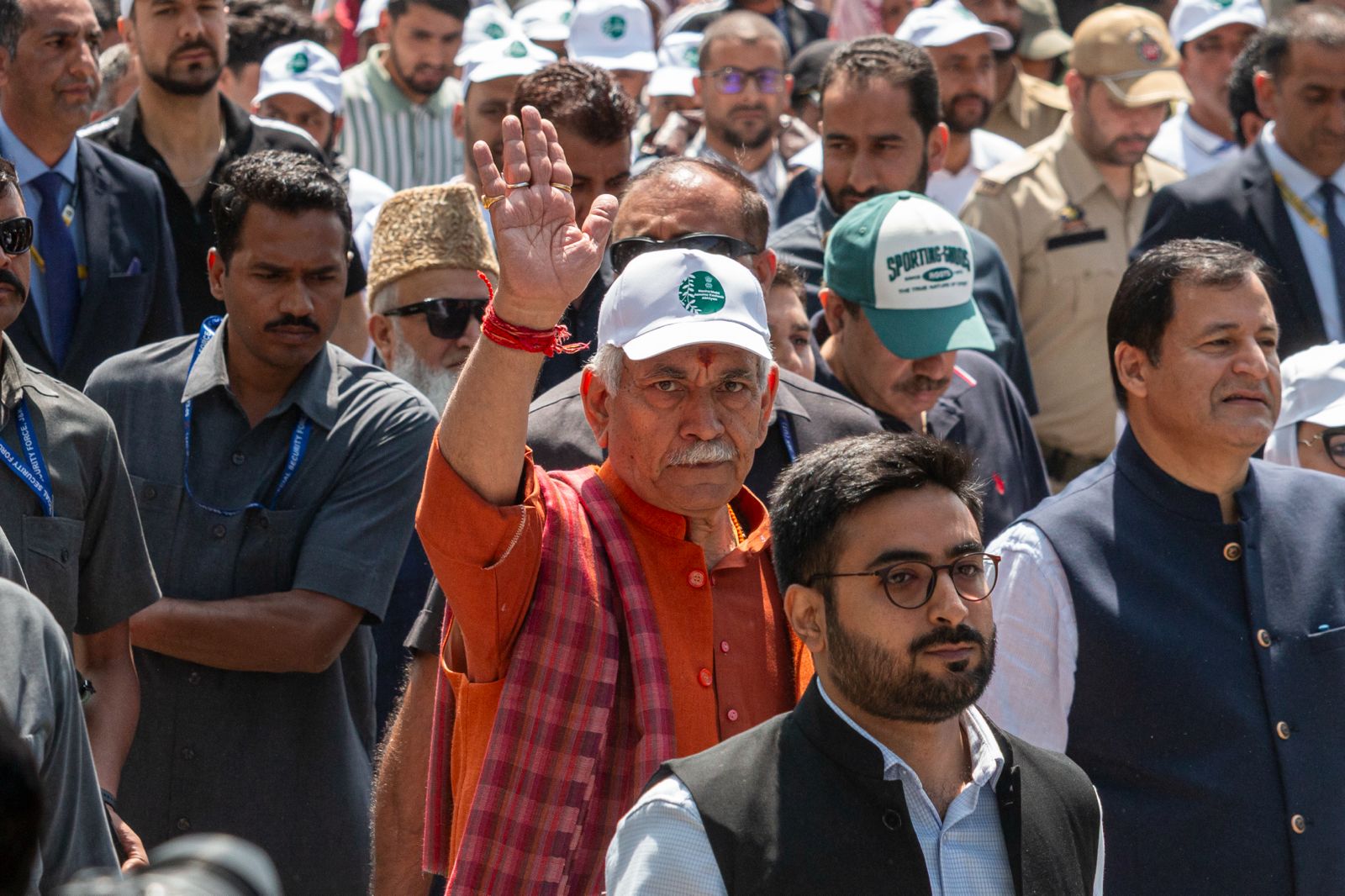
Within this broader effort, the Mega Pad Yatra held on 3rd May in Srinagar, led by the Hon’ble Lieutenant Governor witnessed the participation of nearly 30,000 people, reflecting an unprecedented public response against substance abuse. The march brought together students, civil society, officials and a wide spectrum of public representatives, highlighting a united and collective resolve to combat the drug menace. This collective momentum reinforced a growing shift from awareness to action, strengthening the vision of a drug-free Jammu & Kashmir.
Within this evolving framework, Bandipora district stands out as a model of effective localized implementation. What distinguishes Bandipora is not just the scale of its activities but the consistency, coordination and community-centered approach adopted on the ground.
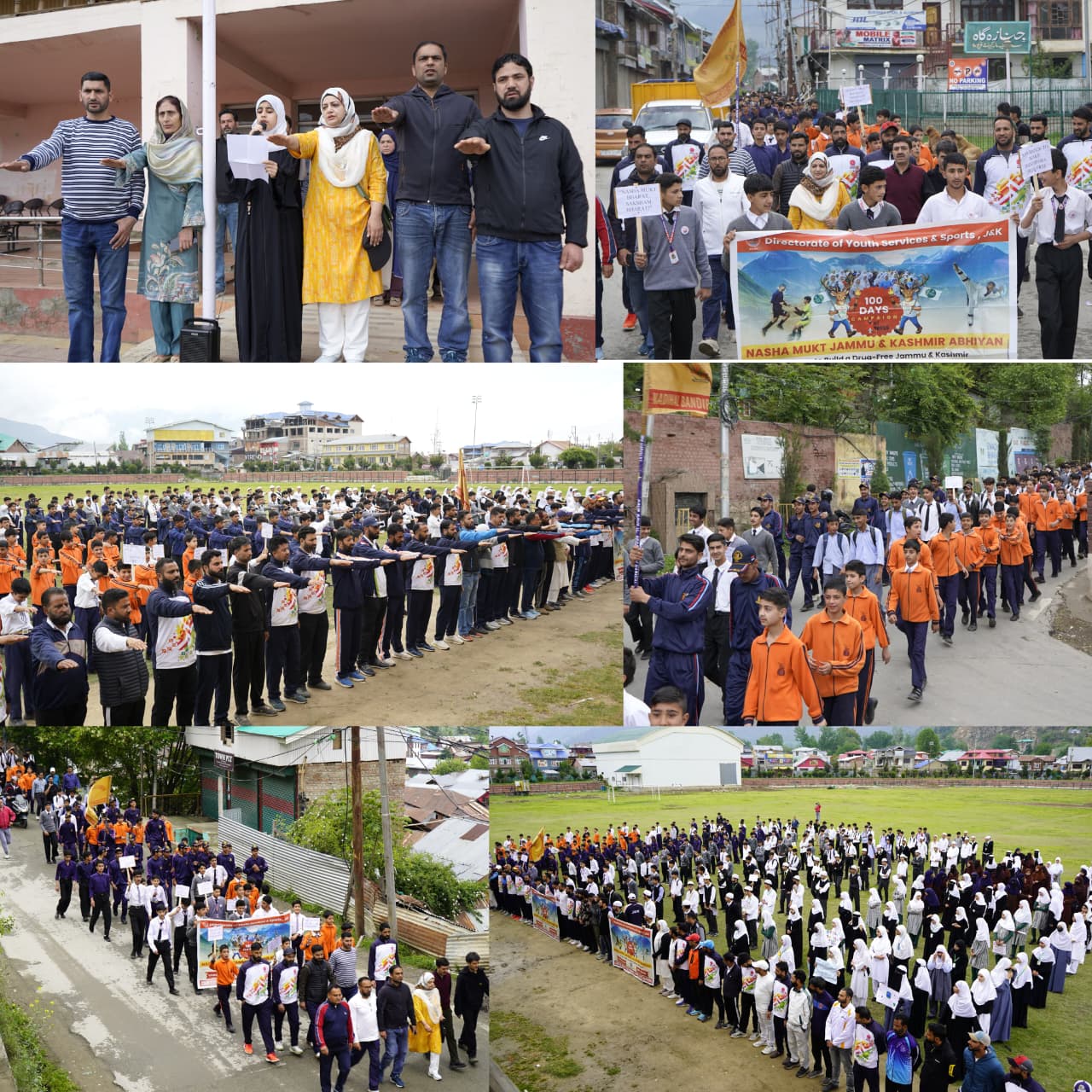
District Administration Bandipora has operationalized the campaign through a series of structured initiatives, including the 100-Day Mission Mode Campaign, War on Drugs Campaign, Nasha Mukt Pledge Campaign, Dosti Discussions, Run for Life Campaign, IEC (Information, Education & Communication) and Maa se Guftagu, outreach programmes. In addition, school and college awareness drives, sports engagement activities and cultural interventions such as street plays have been systematically deployed to reach diverse sections of society.
These interventions are grounded in one key principle: community participation. Unlike conventional awareness campaigns that rely on one-way messaging, Bandipora’s approach fosters dialogue. Students, teachers, parents, youth groups, civil society members and community leaders are engaged collectively, creating a shared sense of responsibility.
This participatory model strengthens social resilience and builds a protective environment for young people.
Administrative leadership has played a critical role in sustaining this momentum. Under the stewardship of worthy Deputy Commissioner Indu Kanwal Chib, regular field visits, institutional interaction and grassroots engagement have ensured that awareness efforts translate into measurable behavioural change. These engagements also facilitate early identification of at-risk individuals, enabling timely intervention.
At the same time, the involvement of public representative has added depth to the campaign. Outreach by Hon’ble MLA Bandipora Nizamuddin Bhat, particularly in educational institutions has reinforced discipline, youth engagement and institutional development, further strengthening the district’s response framework.
Equally crucial is the role of law enforcement. The district police under respected SSP Ajaz Ahmed Zargar, have intensified operations against drug trafficking networks. Sustained surveillance, coordinated intelligence inputs and targeted crackdowns have significantly disrupted local supply chains. This dual approach, treatment for users and strict action against suppliers, is essential for long-term success.
It is important to reflect on certain broader concerns and suggestions emerging from the ongoing discourse. It has been reported that some individuals associated with political circles may be involved in substance abuse or related activities. While such concerns require proper verification and should not be generalized, they underline the importance of maintaining transparency and accountability in institutional processes.
In this context, it is a valuable suggestion that all individuals including political figures or those being considered for security cover may undergo appropriate narcotics screening as part of a comprehensive background verification before such protection is granted. This would help strengthen institutional integrity and ensure responsible decision-making.
At the same time, individuals found to be struggling with substance dependence should be guided towards proper treatment and rehabilitation in line with the broader public health approach.
However, despite visible progress, certain gaps require urgent attention.
First, there must be a clear and consistent distinction between drug users and drug traffickers. Addiction is a health condition that demands treatment, counselling and rehabilitation not stigma or criminalization. Conversely, those involved in the supply and distribution of narcotics must face uncompromising legal action.
Second, de-addiction and rehabilitation infrastructure needs expansion. Access to treatment facilities remains uneven and recovery systems must go beyond detoxification to include psychological support, skill development, employment opportunities and social reintegration. Without this continuum of care, the risk of relapse remains high.
Third, early intervention mechanisms must be strengthened. Scientific evidence highlights warning signs such as behavioural changes, sleep disturbances, declining academic performance and social withdrawal. Schools, families and communities must be trained to recognize these indicators and respond promptly.
Mental health support is another critical pillar. A significant proportion of substance abuse cases are linked to stress, anxiety and emotional distress. Integrating counselling services into awareness and treatment programmes is essential to address root causes rather than symptoms alone.
Preventive strategies must also emphasize healthy lifestyle practices. Regular physical activity, balanced nutrition, proper sleep and engagement in constructive activities such as sports, education and creative pursuits serve as protective factors against substance abuse.
Finally, the supply chain must be systematically dismantled. Continuous intelligence gathering, inter-agency coordination and strict enforcement are indispensable. Without curbing availability, demand reduction efforts alone cannot succeed.
Progress witnessed in Jammu & Kashmir, particularly in Bandipora, demonstrates that a coordinated, evidence-based and community-driven approach can yield appreciable results. The convergence of administration, public representatives, law enforcement and civil society has created a sustainable model of intervention.
The path ahead requires persistence, scale and institutional strengthening. But the direction is clear.
A drug-free society is not an abstract ideal, it is an achievable goal, provided awareness, treatment, prevention and enforcement continue to operate in synergy.
Comments are closed.