Srinagar, Aug 17: On the eighth anniversary of Zero Miles Grill and Cafe, its founder Jibran Khan chose policy advocacy over celebrations, urging the Food Safety and Standards Authority of India (FSSAI) to introduce a unified licensing framework for food business operators in Jammu and Kashmir.
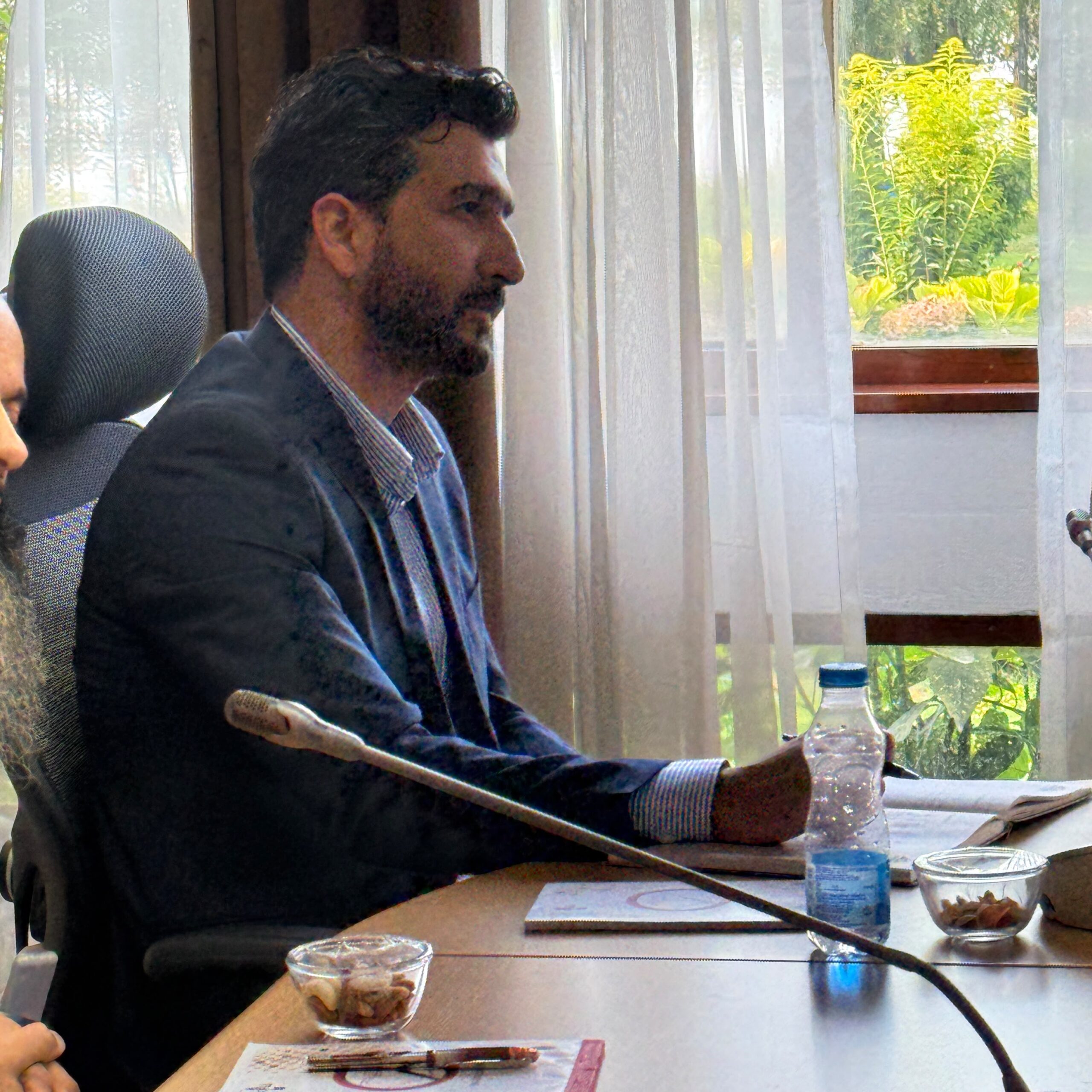
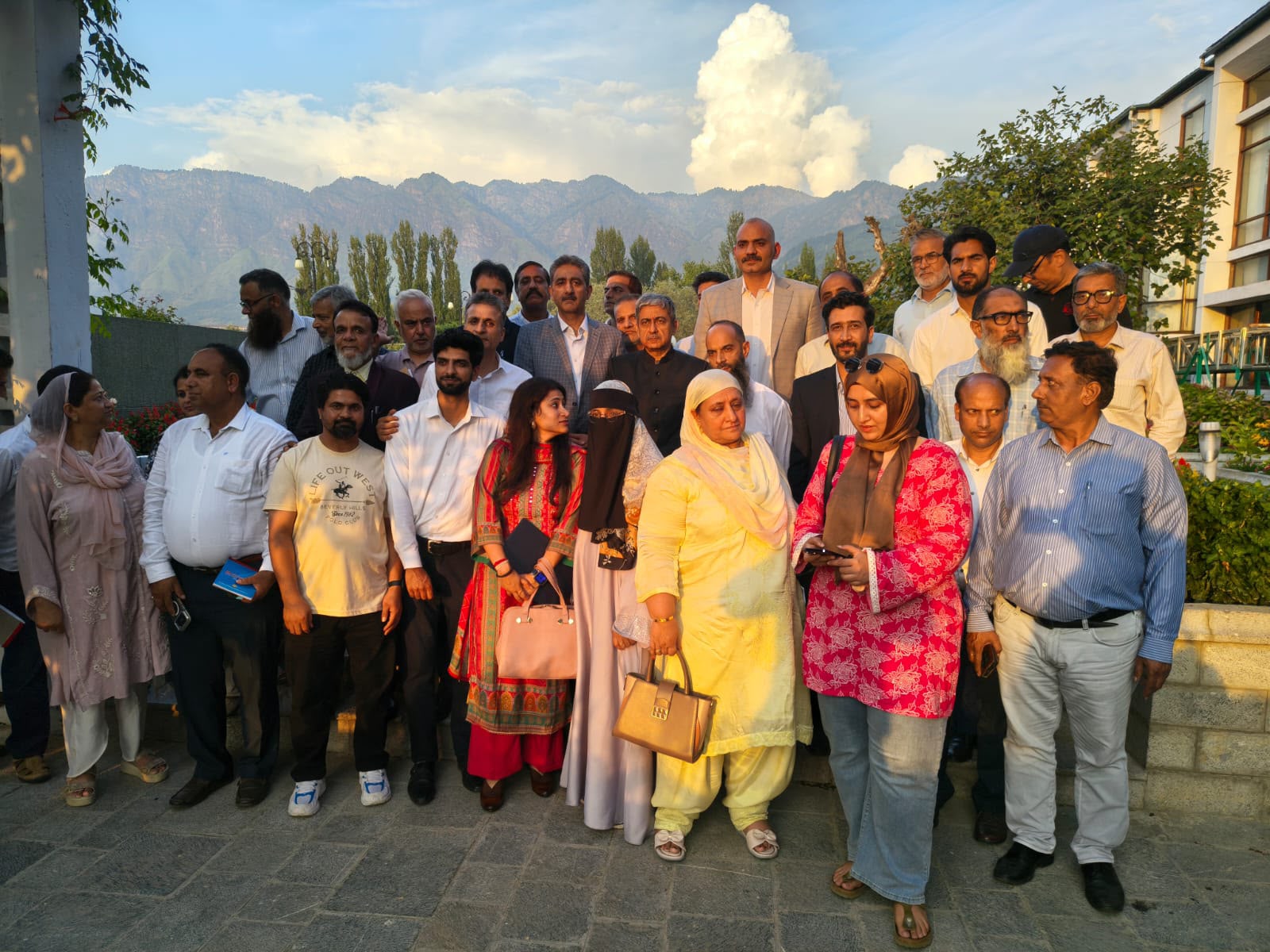
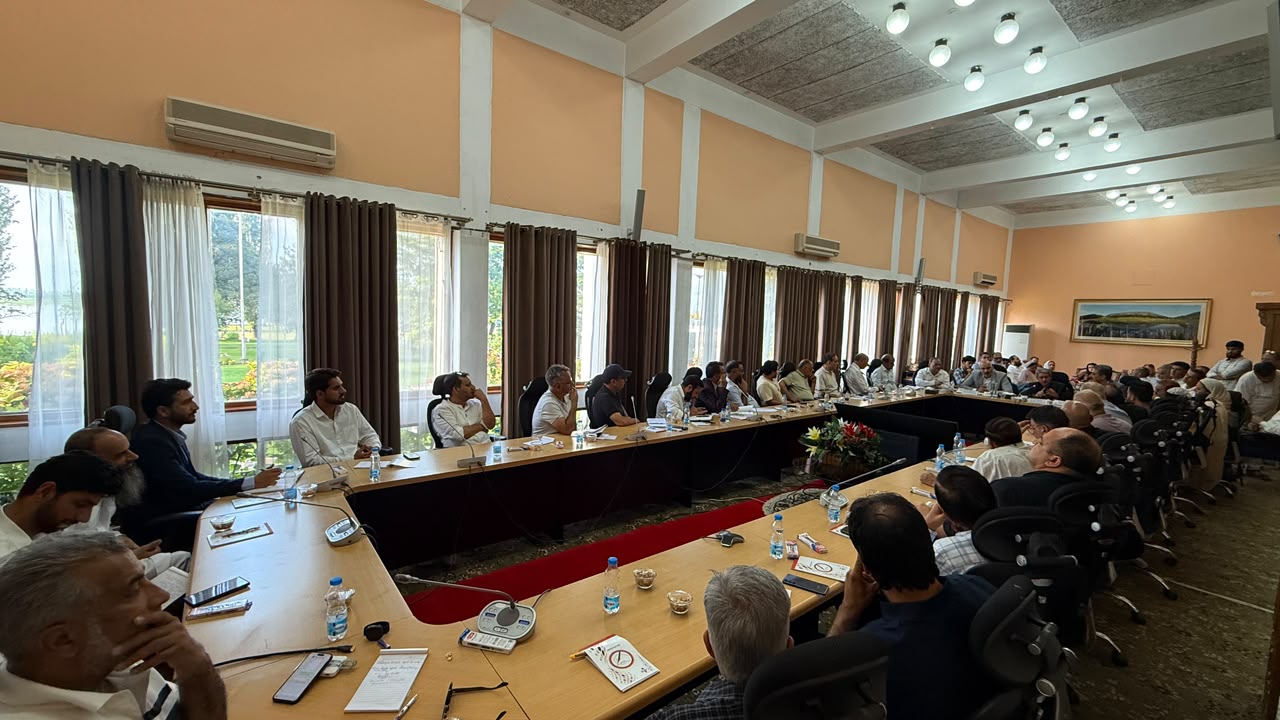
Khan raised the issue during an interaction convened by FSSAI Chief Executive Officer Rajit Punhani, IAS, at the Sher-i-Kashmir International Convention Centre (SKICC), where food business operators from across the Valley discussed regulatory challenges with the top food safety regulator.
Instead of marking the business milestone with a celebration, Khan attended the meeting with a presentation focused on regulatory reforms and the challenges faced by restaurants, cafes and other food businesses in Kashmir.
Speaking to Kashmir Convener after the meeting, Khan said the requirement of obtaining separate licences and undergoing independent compliance processes for every branch creates significant hurdles for businesses seeking to expand.
“The system demands separate licences for every branch, duplicate filings, and independent audits for each unit. This is not red tape but a barrier to expansion and a disincentive for entrepreneurs looking to scale up in Kashmir,” he said.
Khan proposed a unified single-window licensing mechanism supported by a digital dashboard, under which a single registration and compliance framework could govern multiple outlets operating under the same brand.
He also called for a shift in the regulatory approach from strict enforcement towards facilitation, particularly for startups and MSMEs.
“Kashmir’s terrain is uniquely difficult, with supply chains collapsing during harsh winters and infrastructure deficits making compliance disproportionately harder than in the plains. These are ground realities, not excuses,” he said.
Khan also highlighted difficulties in grievance redressal, saying small food business operators often struggle to identify the appropriate mechanism to raise field-level concerns.
He said the interaction also saw him seek clarity from the J&K Food Commissioner on a roadmap for restaurants, cafes and highway businesses in the region.
According to Khan, the Food Commissioner responded positively and outlined plans to establish a database of food businesses within the next six months, with further measures planned to streamline the sector.
The interaction was attended by food business operators from across the Valley and provided a platform for industry representatives to place their concerns directly before senior officials.
Khan argued that food safety and business growth need not be competing priorities and called for a regulatory framework that takes into account Kashmir’s distinct geographical and operational challenges.
“Food safety and business growth need not be in conflict. They can coexist, provided the regulatory framework is flexible enough to accommodate local realities. A one-size-fits-all approach does not work for a region like Kashmir,” he said.


Comments are closed.