


Shoiab Mohammad Bhat
“Prevention does not demand extraordinary effort. It begins with small, conscious choices — adequate sleep, balanced food, regular movement, and meaningful relationships.”
We often hear the saying, “Health is wealth.” Though short, this sentence carries a profound meaning. In our daily lives, many of us focus on earning money, building careers, and achieving success. While these goals are important, we sometimes forget that without good health, none of them can truly be enjoyed. A person may possess everything in life, but if health is compromised, even simple pleasures become difficult. That is why good health is rightly considered the greatest wealth.
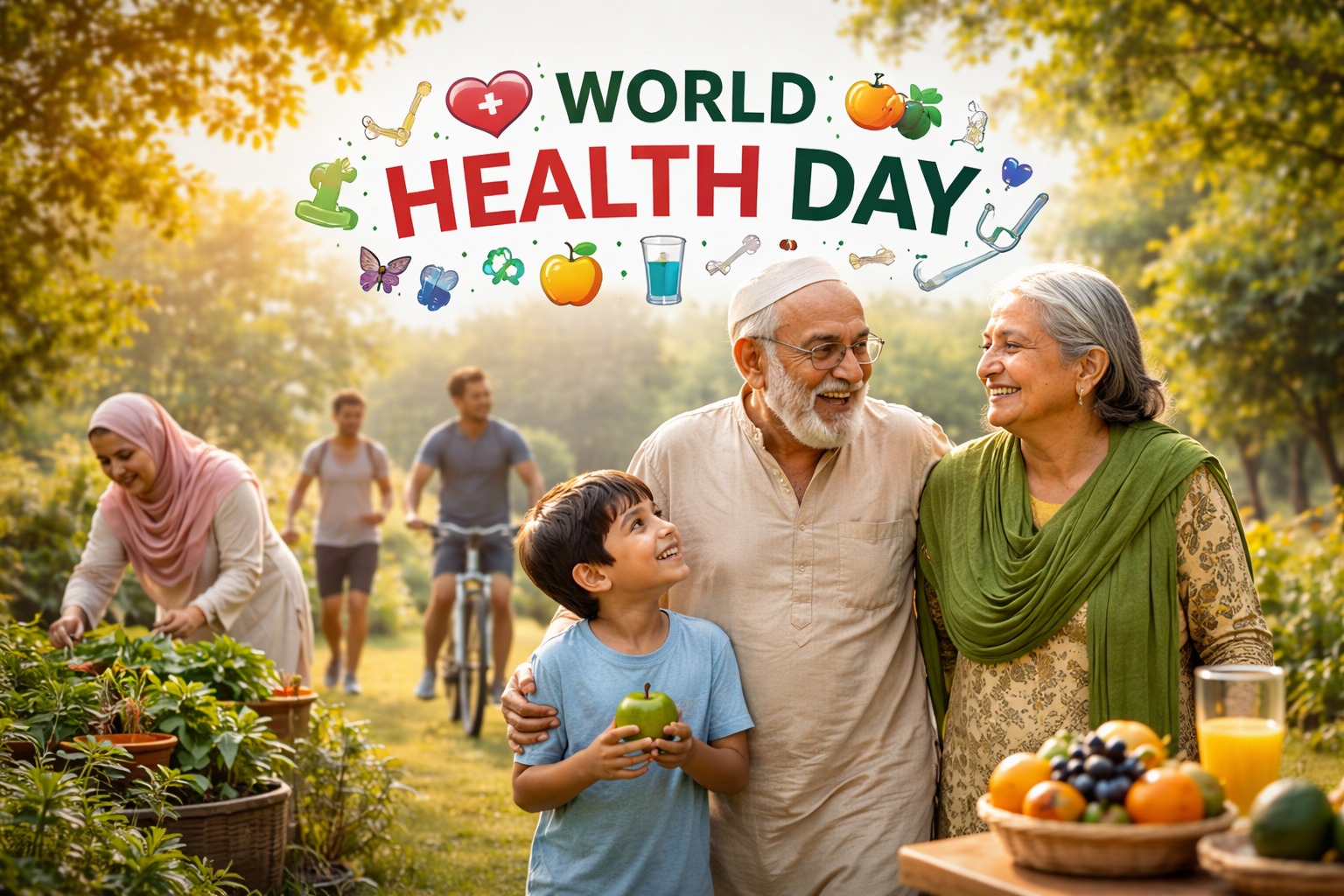
Every year on 7 April, the world observes World Health Day. This occasion is not limited to hospitals, medicines, or diseases. Its true purpose is to remind people of the importance of caring for their health before problems arise. Each year, World Health Day highlights a specific theme addressing a major global health concern.
This year’s theme, “Together for Health: Stand with Science,” delivers a powerful message. Health is not the responsibility of a single individual or institution. Governments, healthcare professionals, scientists, communities, and ordinary citizens must work collectively to improve public health. Progress in healthcare depends on cooperation, awareness, and trust in scientific knowledge.
Often, we realize the value of health only when we fall ill. As long as our bodies function smoothly, we rarely pause to appreciate them. However, when sickness strikes, even routine tasks—walking, eating, or working—can feel exhausting. During such times, many turn towards faith and prayer, seeking strength and recovery. In Kashmir, there is a well-known saying: “Sehat Aasii, Taar Aasii, Teli Aasii Zoon.” It simply means that when health and stability are present, life moves smoothly. Without health, everything else loses its meaning.
Understanding the importance of health is one thing; maintaining it is another.
A simple habit that elders often emphasize is waking up early. Early mornings bring fresh air, silence, and mental clarity. Rising early allows time for prayer, meditation, or a short walk. Even light physical activity in the morning can energize the body and mind for the rest of the day.
Food also plays a vital role in maintaining health. Our daily diet directly affects how our bodies function. A balanced diet rich in fruits, vegetables, grains, and adequate water supports overall well-being. However, modern lifestyles have altered eating habits. Fast food and packaged snacks have become popular due to convenience.
In our local markets, many people enjoy Aloo Monji, a popular fried potato snack loved by all age groups. While delicious, consuming such fried foods regularly can harm health over time due to excess oil and salt. Enjoying them occasionally is harmless, but making them a daily habit may lead to health complications.
Another positive trend gradually gaining attention is kitchen gardening. One does not require vast land to grow vegetables or herbs. Even small spaces can be used effectively. Kitchen gardening not only provides fresh and chemical-free produce but also reconnects individuals with nature. For the youth, it offers an opportunity to understand the process of cultivation—something many have never experienced firsthand.
At the same time, our lifestyle has changed dramatically in recent years. While technology has brought convenience, it has also introduced new challenges. Screen time has increased significantly, and physical games and outdoor activities are often replaced by virtual entertainment. This shift has visible consequences: weight gain, reduced physical fitness, sleep disorders, and eye strain are becoming common concerns.
Health experts consistently encourage incorporating physical activity into daily routines. Exercise does not always need to be intense. Simple activities such as walking, cycling, or playing outdoor games can greatly improve physical fitness and overall well-being.
Importantly, health is not limited to the body; mental health is equally essential. In today’s fast-paced world, stress, loneliness, and emotional pressure are increasingly common, particularly among young people. One contributing factor may be the growing distance between family members.
In earlier times, families spent more time together, sharing stories, experiences, and guidance. Young members openly discussed their concerns, and elders offered wisdom and reassurance. Today, many of these meaningful conversations are replaced by time spent on smartphones and social media.
The younger generation, often referred to as Gen Z, grows up in a world dominated by online communication. While social media enables global connections, it cannot fully replace real-life relationships. Excessive time online, combined with limited personal interaction, can intensify feelings of isolation.
Building genuine relationships is crucial for emotional well-being. Spending time with family, engaging in heartfelt conversations, and sharing simple daily moments can significantly reduce stress and foster a sense of belonging. Even small acts—sharing tea, taking a walk together, or listening to elders’ stories—can make a meaningful difference.
World Health Day reminds us that health extends beyond medicine and hospitals. It is shaped largely by the daily choices we make—our diet, physical activity, rest, relationships, and habits.
The encouraging aspect of health is that improvement often requires only small changes. Adequate sleep, balanced nutrition, regular physical activity, and strong family bonds can collectively enhance both physical and mental well-being. When individuals take responsibility for their health, they contribute not only to their own welfare but also to the health of their families and communities.
Ultimately, a healthy society is built on awareness, responsibility, and cooperation. By valuing and protecting our health today, we lay the foundation for a stronger and brighter future for generations to come.

Comments are closed.