

Dr Musawir Mohsin Parsa (PT)
“Scientific research across multiple countries shows that most cardiovascular risk factors peak in winter. Blood pressure, cholesterol levels, blood clotting activity, and endothelial dysfunction all worsen during colder months. Together, these changes create a dangerous internal environment for the heart.”
As winter’s chill sets in, doctors and cardiologists globally observe a predictable yet often overlooked trend: cardiac emergencies increase during colder months. Heart attacks, strokes, sudden cardiac deaths, and hospital admissions for cardiovascular diseases all rise in winter. This pattern is not anecdotal—it is supported by scientific research from multiple countries and peer-reviewed studies.
Several large studies have found that cold temperatures are linked with higher cardiovascular risk. A comprehensive analysis across 15 countries found a consistent seasonal pattern: most cardiovascular risk factors peak in winter, including high blood pressure, cholesterol, blood clotting activity, and endothelial dysfunction (the inner lining of blood vessels) — all known contributors to heart disease.
Moreover, cold spells themselves have been directly associated with increased hospitalizations for heart attacks (myocardial infarctions). A major study from the Journal of the American College of Cardiology, presented at the European Society of Cardiology Congress in 2024, showed that short-term exposure to lower air temperatures and cold periods raised heart attack risk 2–6 days later.
Other analyses indicate that heart attack rates can be up to 31% higher in the coldest months compared with the warmest, and strokes may increase by as much as 80% when temperatures dip significantly.
So what exactly happens in winter to trigger these changes? The answer lies in how the body responds to cold, lifestyle alterations, and biological stressors.
Physiological Responses to Cold That Strain the Heart
- Vasoconstriction and Increased Blood Pressure
When the body is exposed to cold, blood vessels constrict (vasoconstriction) as a survival mechanism to conserve heat. While this helps maintain core temperature, it also increases systemic vascular resistance. The heart must pump harder to circulate blood, raising blood pressure—a known trigger for heart attacks and strokes.
Cold-induced vasoconstriction also affects coronary arteries (those supplying the heart), which can lead to reduced oxygen delivery and increased risk of myocardial ischemia (lack of oxygen to the heart muscle).
- Thicker Blood and Higher Clotting Tendency
Scientific evidence shows that in colder weather, blood viscosity increases—meaning blood becomes “thicker” — and levels of clotting proteins rise, making it easier for clots to form. Clots in coronary arteries are the immediate cause of many heart attacks.
- Elevated Stress Hormones and Heart Workload
Cold exposure stimulates the release of stress hormones like adrenaline and noradrenaline. These hormones raise heart rate and blood pressure further, increasing cardiac workload. This is especially dangerous for people with underlying atherosclerosis (plaque in arteries), diabetes, or hypertension.
- Inflammation and Respiratory Infections
Winter is peak season for respiratory infections such as influenza and pneumonia. These infections trigger systemic inflammation and can destabilize arterial plaques, increasing the likelihood of heart attacks and strokes.
- Reduced Physical Activity and Lifestyle Changes
Colder weather often means people become less active. Shorter days and chilly mornings reduce outdoor exercise, leading to weight gain, poorer circulation, and worse control of blood pressure, cholesterol, and blood sugar levels—all major cardiovascular risk factors.
Winter also coincides with holidays and festivities where diets often include heavier, higher-salt, and higher-fat foods, contributing further to cardiovascular risk.
- Vitamin D Deficiency and Immune Changes
Reduced sun exposure in winter can result in low vitamin D levels. Some research has linked vitamin D deficiency to hypertension, inflammation, and other cardiovascular risk factors, although more studies are needed to fully understand this relationship.
Who Is Most Vulnerable?
The increased risk in winter does not affect everyone equally. The groups most at risk include:
- People with existing heart disease
- Older adults (especially above 65 years)
- Individuals with hypertension, diabetes, or high cholesterol
- Smokers
- Those with sedentary lifestyles or obesity
- People with respiratory conditions like COPD or asthma
Precautions for Winter Heart Health
Based on evidence from clinical studies and expert guidelines, here are key preventive measures:
1. Dress Warmly and in Layers
Cold exposure can trigger vasoconstriction and raise blood pressure rapidly. Wearing layers and protecting the head, neck, and chest reduces heat loss and cardiac strain.
2. Monitor Blood Pressure and Heart Rate Regularly
Keep track of vital signs, especially if you have existing cardiovascular conditions. Blood pressure tends to rise in colder months.
3. Stay Active Indoors
Engage in regular indoor exercises such as walking in place, brisk stair climbing, yoga, or light aerobic activity to maintain cardiovascular fitness.
4. Maintain a Healthy Winter Diet
Focus on fruits, vegetables, whole grains, and lean proteins. Limit salt, sugar, and high-fat foods that can worsen blood pressure and cholesterol.
5. Vaccines for Flu and Pneumonia
Immunization reduces the risk of respiratory infections that may trigger cardiac events.
6. Hydrate Adequately
People often drink less water in winter; dehydration can thicken blood and worsen circulation.
7. Avoid Sudden Strenuous Activity in Cold Weather
Tasks like heavy lifting or sudden outdoor exertion immediately after stepping out into the cold can sharply increase heart workload.
8. Quit Smoking and Limit Alcohol
Smoking aggravates vasoconstriction and vascular inflammation. Alcohol can raise blood pressure and interfere with medication.
9. Manage Stress and Mental Health
Seasonal changes and holidays can increase stress and depression, which are independent cardiovascular risk factors.
10. Know the Warning Signs of a Heart Attack
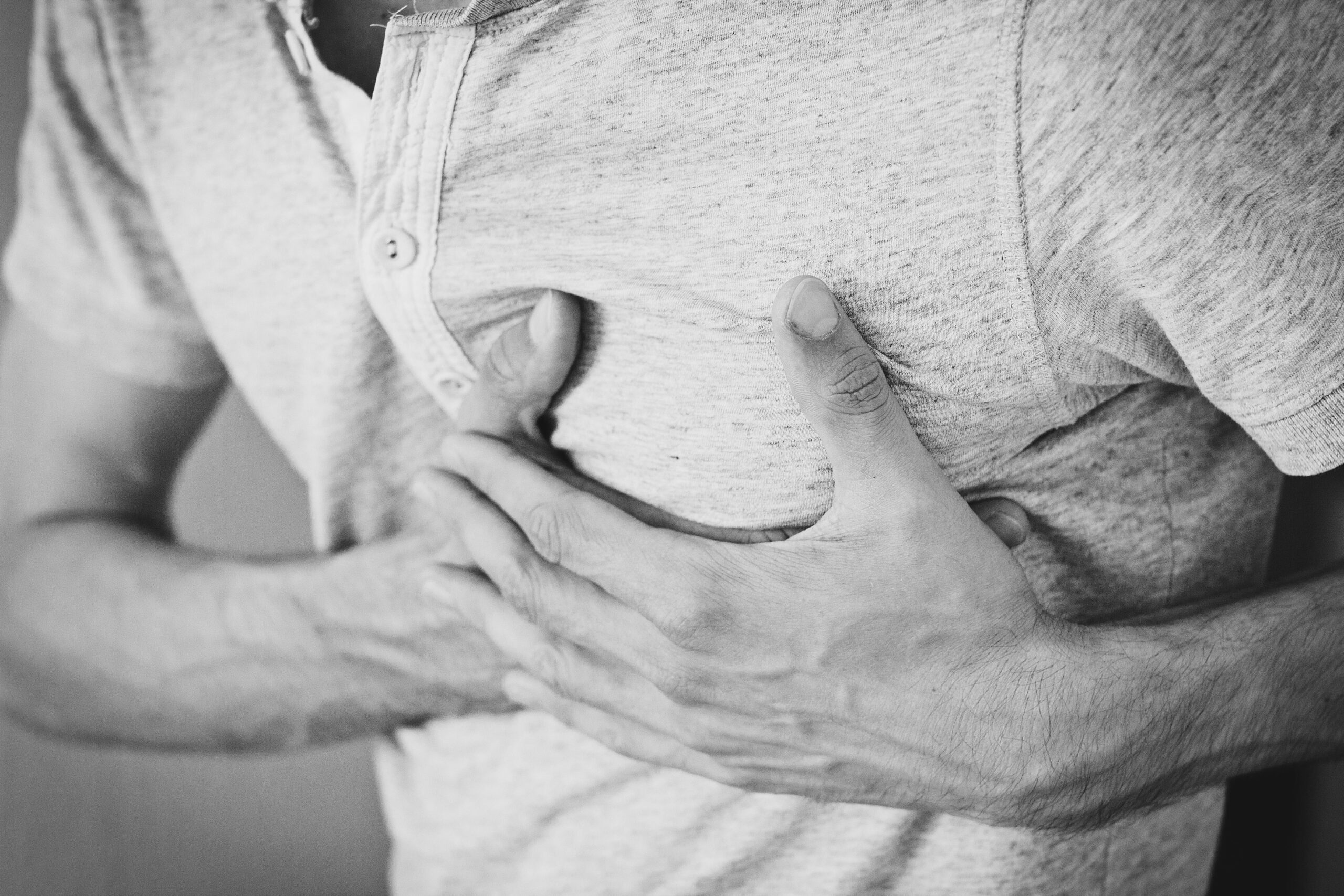
Recognize symptoms like chest pain, breathlessness, unexplained fatigue, dizziness, or pain radiating to the arm or jaw, and seek emergency care immediately.
“As winter lowers temperatures, it quietly raises cardiovascular risk—making awareness, warmth, timely care, and healthy choices the true lifesaving measures when the heart is most vulnerable.”
Author is Physical Therapist and Educator. He can be reached at parsamusawir@gmail.com

Comments are closed.