

By Naseeba Jan
Education has always been viewed as the foundation of progress. For decades, we have equated academic degrees with success. But in today’s fast-changing world, where innovation and competition go hand in hand, theoretical knowledge alone is no longer enough. What truly empowers a young person is the ability to do — to apply knowledge creatively, confidently, and practically. That is where skill development steps in, transforming ordinary learning into meaningful capability.
The gap between learning and doing
Every year, millions of students graduate from schools and universities with impressive marks, yet a large number struggle to find jobs or start sustainable careers. The reason isn’t lack of intelligence — it’s the absence of practical exposure. Classrooms often teach what to think, but not how to apply that thinking in real situations. Skill training bridges this gap by giving learners hands-on experience, problem-solving ability, and workplace readiness.
For example, a student may understand marketing theories perfectly but still fail to handle a real-world campaign or client communication. Skill training gives that missing confidence — turning knowledge into performance.
Why skills matter in every profession
Whether one dreams of being a doctor, engineer, artist, or entrepreneur, every career demands more than bookish understanding. Communication, teamwork, adaptability, creativity, and emotional intelligence are now as crucial as technical expertise. Skill programs nurture these abilities through practical projects, workshops, and simulations. They also help students discover hidden talents that traditional academics may overlook.
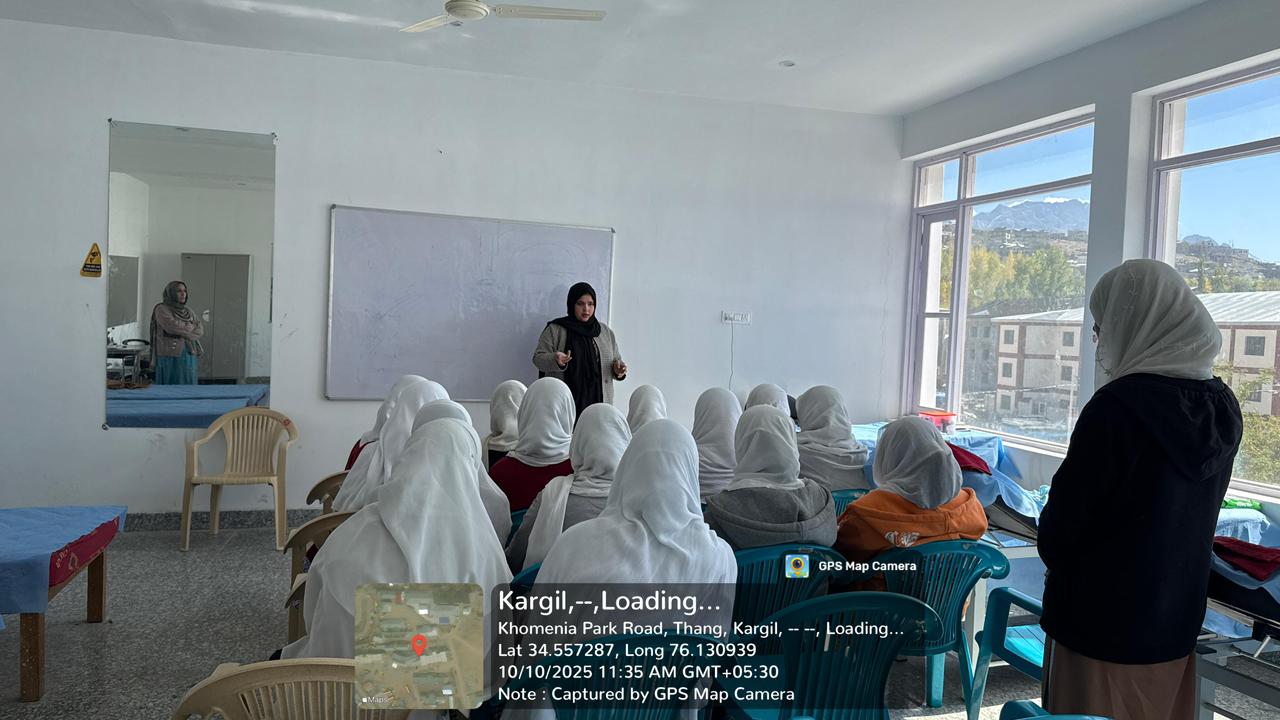
As a Skill Instructor, I have witnessed this transformation firsthand. Many of my trainees arrive shy or uncertain, hesitant to engage in practical tasks. But once they begin practicing — learning discipline, client interaction, precision, and professional etiquette — their confidence blossoms. Within months, they not only master the craft but also carry themselves with professionalism and pride. That’s the power of skills: they build both capability and self-belief.
The national and global perspective
Governments and industries around the world now recognize that the future workforce must be skilled, not just qualified. In India, the Skill India Mission and National Skill Development Corporation (NSDC) have been working to bridge the employability gap by encouraging vocational education and technical training. The idea is simple but powerful — to make every student industry-ready before they step into the job market.
Globally too, countries that invest heavily in vocational and skill-based learning (like Germany, Japan, and Singapore) show lower unemployment rates and higher innovation. When education systems integrate skills early, they produce problem-solvers instead of job-seekers.
The benefits go beyond employment
Skill development isn’t only about earning a job; it’s about shaping a confident, independent, and creative generation. Students who engage in skill training develop a sense of responsibility and pride in their work. They learn time management, client interaction, financial literacy, and self-discipline — qualities that benefit every aspect of life.
Moreover, skill training empowers youth to create opportunities instead of waiting for them. Many skilled individuals start small businesses, freelance, or mentor others, becoming job creators. Through skill programs, countless young people have transformed their passion into a profession, gaining both independence and confidence.
Integrating skills with mainstream education
It’s time schools and colleges treat skill development not as an optional add-on but as an essential part of education. Short-term workshops, internships, apprenticeships, and project-based learning can easily fit within existing curricula. Teachers, too, need training to blend theory with application — helping students connect classroom concepts to real-world needs.
Parents play a vital role as well. Instead of measuring success only through marks or degrees, they should encourage children to pursue practical skills. A child who knows how to communicate, manage time, or handle tasks effectively will always have an edge over one who merely memorizes.
If we truly want to build an empowered, self-reliant nation, we must invest in skill-based education from an early stage. Every school should have labs and workshops that inspire curiosity, not fear of failure. Every teacher should be a mentor who values creativity over rote learning. And every student should feel that learning a skill is not a fallback — it’s a step forward.
Education gives direction, but skills give movement. One without the other is incomplete. Students who actively pursue skill development alongside formal education not only gain employability but also confidence, creativity, and independence — qualities that shape the leaders of tomorrow.
It’s time we stop asking students, “What do you want to become?” and start asking, “What can you do well?” Because the future belongs not to those who only know — but to those who can create, build, and perform with skill and passion.
Author is – Skill Instructor of Beauty Therapy. She can be mailed at naseebarather@gmail.com

Comments are closed.