

Dr. Aqib
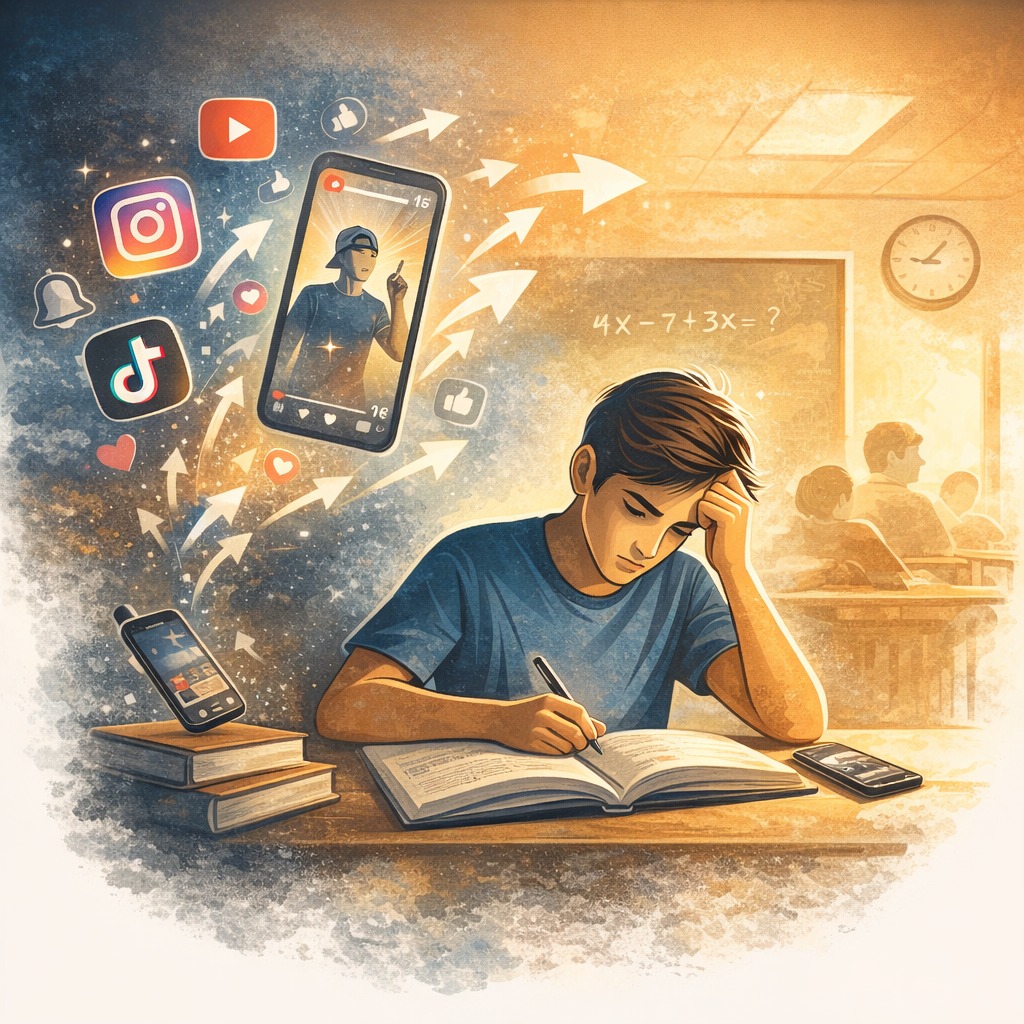
“Short-form videos may last only seconds, but their influence on attention and learning can be long-lasting. As students grow accustomed to rapid novelty and instant gratification, traditional classrooms can begin to feel unusually slow and demanding.”
In today’s digital age, students are growing up in an environment vastly different from that of previous generations. Alongside school assignments and extracurricular commitments, many young people spend a significant portion of their day scrolling through short-form videos on platforms such as Instagram Reels and YouTube Shorts. These clips, often lasting only a few seconds, deliver entertainment, trends and information at remarkable speed. While they may appear harmless, their increasing presence in students’ daily routines is prompting educators and parents to examine how they influence attention, comprehension and overall learning habits.
The impact of reels on learning is neither entirely negative nor entirely positive. Instead, it is layered and complex. Short-form content is reshaping how students process information, how long they can concentrate and how they engage with classroom instruction. Teachers across schools and colleges are reporting noticeable changes in student behavior. Many students appear more restless during lessons and less inclined to listen to extended explanations. Even short periods without checking a phone can feel uncomfortable for some.
In the past, classroom distractions were typically limited to side conversations or occasional daydreaming. Today, however, a smartphone in a pocket offers continuous digital stimulation. Even when students are not actively watching reels, the anticipation of notifications or updates can occupy mental space. This subtle distraction reduces their ability to immerse themselves fully in lessons. It is important to note that this shift does not reflect reduced intelligence or ability. Rather, it indicates how young minds are adapting to a fast-paced digital environment that operates very differently from traditional educational settings.
Attention span is one of the most significant areas affected by short-form video culture. Learning often demands sustained focus — the capacity to sit with a problem, analyze complex information and think critically. Reels, by design, train the brain to expect rapid novelty and instant gratification. A single swipe replaces one video with another, creating a continuous stream of stimulation. Over time, this habit can make slower-paced activities such as reading a textbook chapter, solving mathematical problems or attending a forty-minute lecture feel unusually demanding.
Educators have observed that students sometimes struggle to maintain concentration for extended periods. They may switch between tasks frequently or reach for their phones during study sessions. This pattern of fragmented attention can reduce information retention and weaken deep learning. When the brain becomes accustomed to constant variety and quick rewards, traditional learning environments may appear less engaging by comparison.
Short-form content also influences reading habits. Long-form reading — whether in textbooks, novels or detailed articles — strengthens vocabulary, imagination and analytical skills. It trains the mind to follow sustained arguments and complex ideas. Students who spend considerable time on short videos may begin to find extended reading more tiring or less appealing. They may prefer quick summaries or brief explanations rather than engaging with full chapters. Gradually, this can weaken comprehension skills that are essential for higher education and competitive examinations.
Language and communication patterns are also evolving under the influence of reels. Digital content often relies on informal language, slang and abbreviated expressions. While this fosters a sense of belonging within online communities, it may limit practice in structured and formal writing. Teachers sometimes report that students find it challenging to craft detailed essays or provide comprehensive written responses. Although short videos do not directly damage language skills, excessive reliance on ultra-brief communication may reduce exposure to more complex forms of expression.
Creativity presents a more nuanced picture. On one hand, reels encourage students to experiment with editing, storytelling and visual presentation. Many young people develop technical skills and confidence through creating their own content. On the other hand, constant consumption can leave little room for boredom, and boredom is often the birthplace of creativity. When every spare moment is filled with scrolling, students lose opportunities for reflection and deep thought. True creativity requires patience, quiet focus and sustained effort — qualities that fast-paced digital habits may gradually erode.
Another area of concern is sleep. Because reels are short and endlessly available, students may scroll late into the night without realizing how much time has passed. Screen exposure and mental stimulation before bedtime can disrupt sleep patterns. Insufficient rest directly affects memory, concentration and emotional stability, all of which are critical for effective learning. A tired mind struggles to absorb and retain new information.
Emotional well-being is also intertwined with digital habits. Short videos often showcase idealized lifestyles, achievements and appearances. Constant exposure to such content can lead to unhealthy comparisons, affecting self-esteem and increasing anxiety. Emotional stress further reduces a student’s capacity to focus and engage productively in academic tasks.
Despite these concerns, short-form videos are not inherently harmful. When used thoughtfully and in moderation, they can complement education. Many educators and content creators use short videos to explain scientific concepts, language tips and practical skills in engaging ways. Visual demonstrations and concise explanations can spark curiosity and make difficult ideas more accessible, especially for visual learners. Reels can also introduce students to global issues, diverse careers and innovative technologies.
The key lies in balance. Rather than viewing reels solely as a threat, families and schools can focus on cultivating digital discipline. Encouraging structured study time, promoting long-form reading and setting healthy boundaries around screen use can help students maintain focus while still benefiting from digital tools. Teaching media literacy is equally important so that students understand how algorithms are designed to capture attention and can make informed choices about their consumption habits.
Ultimately, reels are reshaping the learning landscape, but they do not have to undermine it. With guidance, awareness and moderation, students can navigate the digital world without sacrificing deep concentration, creativity or academic growth.

Comments are closed.