Srinagar, Sep 8: The Jamaat-e-Islami (JeI) Jammu & Kashmir, banned under the Unlawful Activities (Prevention) Act (UAPA) since 2019, has resolved to function strictly within the constitutional framework of India and not engage in any activity prejudicial to the sovereignty and territorial integrity of the country, a top functionary of the organisation said.
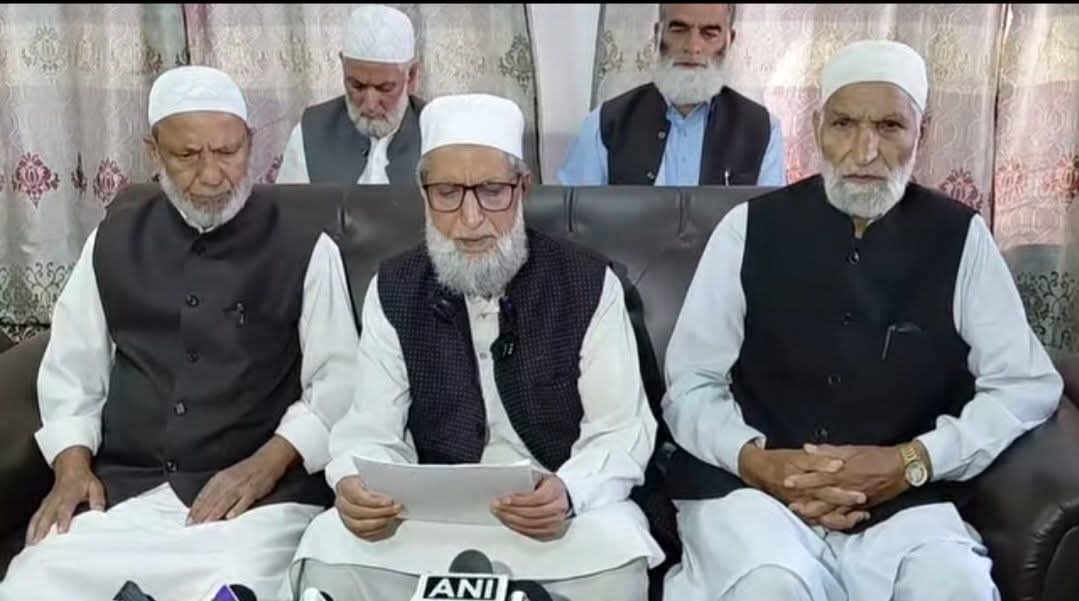
Addressing a press conference here, Majlis-e-Shura head Ghulam Qadir Wani and secretary Ahmadullah Parray, as per the Kashmir Convener, said the Central Advisory Council held a meeting on June 30, 2024, following discussions with the Government of India, and adopted 10 resolutions.
“The organisation has decided to work strictly within the ambit of the Constitution of India,” Wani said, adding that it would not indulge in any act against the unity and integrity of the nation.
In a significant move, the JeI announced the formation of a new political platform – the Justice and Development Front (JDF) – to facilitate democratic participation, the leaders said.
The JeI was first proscribed on February 28, 2019, in the wake of the Pulwama terror attack. The ban was extended for a further five years on February 27, 2024, and is currently in force until February 2029.
The development comes as the organisation, which has historically maintained a socio-religious character, appears to be charting a course towards mainstream political engagement in the Union Territory.
Notably, the Jamaat-e-Islami (JeI) — once the torchbearer of separatism and anti-India rhetoric in Kashmir — has formally pledged to work within the framework of the Indian Constitution. This decisive shift comes after Prime Minister Narendra Modi’s government abrogated Article 370, fundamentally altering the Valley’s political landscape.
The Modi administration’s firm decision on August 5, 2019, to revoke the erstwhile state’s special status and bifurcate it into Union Territories has delivered a decisive blow to the ecosystem of separatism. Over 890 central laws, including flagship welfare schemes, have been extended to the Valley, breaking the cycle of alienation that groups like JeI once exploited for political mileage.
This integration has forced JeI to recalibrate its strategy. Moving away from its hardline ideological moorings, the leadership has acknowledged that the “azaadi” movement is no longer a viable political tool. Instead, the group appears to be attempting a transformation akin to political Islamist models seen elsewhere, aiming to operate within the constitutional framework.
The JeI’s pledge to join the mainstream is a resounding vindication of Prime Minister Modi’s vision for Jammu and Kashmir. By ensuring the extension of constitutional rights, democratic participation, and development benefits to all citizens, the government has effectively isolated the separatist lobby.
As J&K awaits the restoration of its statehood, the decision by the Jamaat-e-Islami to work under the Indian Constitution marks a historic milestone. It signals the final collapse of the separatist movement and the complete integration of Kashmir into the national mainstream.


Comments are closed.