

Lone Shahid-ul-Islam
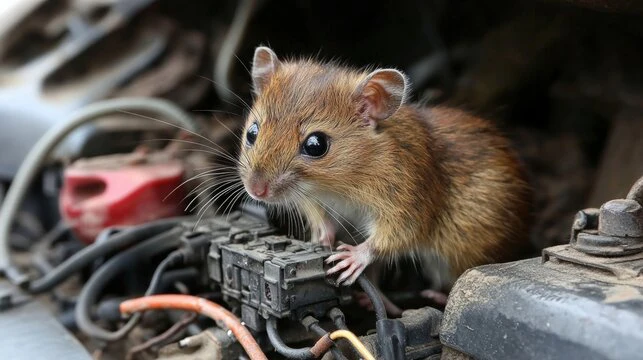
“For rats battling Kashmir’s freezing temperatures, a parked car’s engine bay offers everything they need—warmth, darkness, and safety. Unfortunately, this temporary refuge often comes at the expense of vital electrical systems hidden beneath the hood.”
As winter begins to tighten its grip on Kashmir, car owners across the Valley prepare for familiar seasonal troubles. Frozen engines, drained batteries, and slippery roads are expected challenges. Yet, there is another threat that quietly emerges every year—one that often goes unnoticed until serious damage is done. This hidden menace comes not from snow or ice, but from rats seeking warmth inside parked vehicles.
With temperatures dropping sharply during Kashmiri winters, rodents struggle to survive outdoors. The engine bay of a car, which retains warmth long after the engine is switched off, becomes an ideal shelter. For rats, it offers heat, darkness, and protection from predators. Unfortunately for car owners, this search for comfort often results in chewed electrical wires, damaged insulation, and costly repairs.
The problem has become more common in recent years, largely due to changes in vehicle manufacturing. Modern cars increasingly use soy-based or plant-derived materials for wire insulation. These materials are part of eco-friendly initiatives aimed at reducing environmental impact. While beneficial for sustainability, they are far more attractive to rodents than older plastic-based insulation. To rats, these wires resemble food. As a result, vehicles parked outdoors or left unused for several days are especially vulnerable.
Experts explain that during winter, rats are driven by more than just the need for warmth. Their teeth grow continuously, and they must gnaw on hard objects to keep them sharp and manageable. Electrical wires, rubber hoses, and insulation materials inside cars provide the perfect texture for this purpose. Once a rat enters the engine compartment, it can cause extensive damage in a very short time.
The financial impact of rodent damage can be severe. Even minor wire chewing can disable essential systems such as headlights, ignition, power steering, or air conditioning. Repair costs for such damage typically range from ₹10,000 to ₹80,000. In more serious cases, especially involving modern vehicles or electric vehicles (EVs), expenses can exceed ₹1 lakh. This is because entire wiring harnesses, sensors, or electronic control units may need replacement. In extreme situations, chewed wires can cause short circuits, system failures, or even fire hazards, posing serious safety risks.
Given these dangers, prevention becomes far more practical than repair. While it is impossible to eliminate the risk entirely during winter, several preventive measures can significantly reduce the chances of rodent damage. Keeping the engine bay clean is essential, as dirt and food residues can attract rats. Vehicles should not be left unused for long periods, as idle cars are more likely to become nesting sites. Starting the engine regularly helps disrupt rodents and reduces warmth retention.
Parking habits also play a crucial role. Avoid leaving food waste or garbage near parking areas, as these attract rodents. Parking in well-lit areas is advisable, since rats prefer dark and undisturbed spaces. Many car owners have found success using rat repellent sprays or ultrasonic devices specifically designed for automobiles. These battery-powered devices emit high-frequency sounds that deter rats without harming them.
Natural deterrents are also widely used. Items such as peppermint oil, tobacco pouches, camphor, or naphthalene balls can be placed strategically inside the engine bay. Though simple, these methods can be effective when used consistently. Installing protective wire mesh around the engine compartment can further restrict entry points and prevent rodents from accessing vulnerable components.
Early detection is equally important. Signs such as rat droppings, shredded insulation, nesting material, or unusual smells should not be ignored. These are clear indicators that rodents have already entered the vehicle. Addressing the issue at this stage can prevent far more serious damage later.
As winter deepens, the combination of freezing temperatures and parked vehicles creates the perfect conditions for this recurring problem. The issue is not merely about inconvenience or repair bills. Chewed wires can compromise vehicle safety and put lives at risk. Awareness, therefore, becomes the first line of defence.
Another question that often concerns car owners is whether insurance covers rat damage. The answer is not straightforward. Coverage depends on the type of insurance policy and the specific terms chosen. Generally, rat damage falls under “other-than-collision” damage and may be covered by comprehensive insurance. However, not all comprehensive policies include rodent damage. Some insurers exclude it explicitly. It is essential for vehicle owners to read their policy documents carefully and confirm coverage details in advance to avoid unpleasant surprises.
As Kashmir braces for the harsh winter months ahead, car owners must remain vigilant. Beneath the quiet hood of a parked vehicle, an unseen threat may be waiting. A small investment in preventive measures today can save significant expense, inconvenience, and risk tomorrow.
Author can be mailed at loneshahid0102@gmail.com

Comments are closed.