

Sumaira Wani
“Menstrual hygiene requires everyone’s participation. Government schools, families, communities. Every girl should get the opportunity for education and proper sanitation facilities. It is not just the ‘problem of a girl.’ It is a matter of public health, equality, and humanity.”
Periods should not be something we feel uncomfortable discussing. Menstruation is part of growing up, but way too many girls feel awkward about even mentioning it. Some are stuck with not enough information; others can’t afford sanitary products. This is a serious concern. No girl should have to deal with shame or discomfort just because her body’s doing something natural. Periods should be taken care of in a dignified manner by everybody.
Maintaining menstrual hygiene is vital to one’s health. For this purpose, you will require clean sanitary items, fresh water, soap, and toilets where you can have privacy. There are various kinds of menstrual items like sanitary pads, menstrual cups, reusable cloth pads, etc.
Each girl needs to know their way of doing this. For lots of girls, even finding these products is hard, especially if money’s tight or they live in a rural area. Some end up using unsafe materials or missing school. That’s not okay. Sanitary products shouldn’t be a luxury; they need to be within reach for everyone.
Education plays an important role. When a girl gets her first period, she shouldn’t have to panic or feel lost. Schools should teach kids, in clear and simple language, about periods, what’s happening, and how to stay healthy. Parents shouldn’t hide it or treat it like some secret either.
And yes, boys need this information too. Knowing about menstruation helps them avoid teasing and show respect. When girls actually understand their bodies and their options, they walk with confidence. There’s really no reason to feel weird about asking questions; a period is not something to be ashamed of; it is a natural part of life.
Many old myths and restrictions surrounding menstruation persist. Some girls get told not to cook, go to religious events, or hang out in certain places while they’re on their periods. Some even get called “impure.”
These practices can affect girls’ confidence and social participation. Menstruation isn’t some illness or curse. It’s biology. Girls deserve respect every single day of the month. Think of a time when people can discuss menstruation without having to hush their voices or fear being judged. Just by discussing the issue, these outdated taboos will begin to fall away.
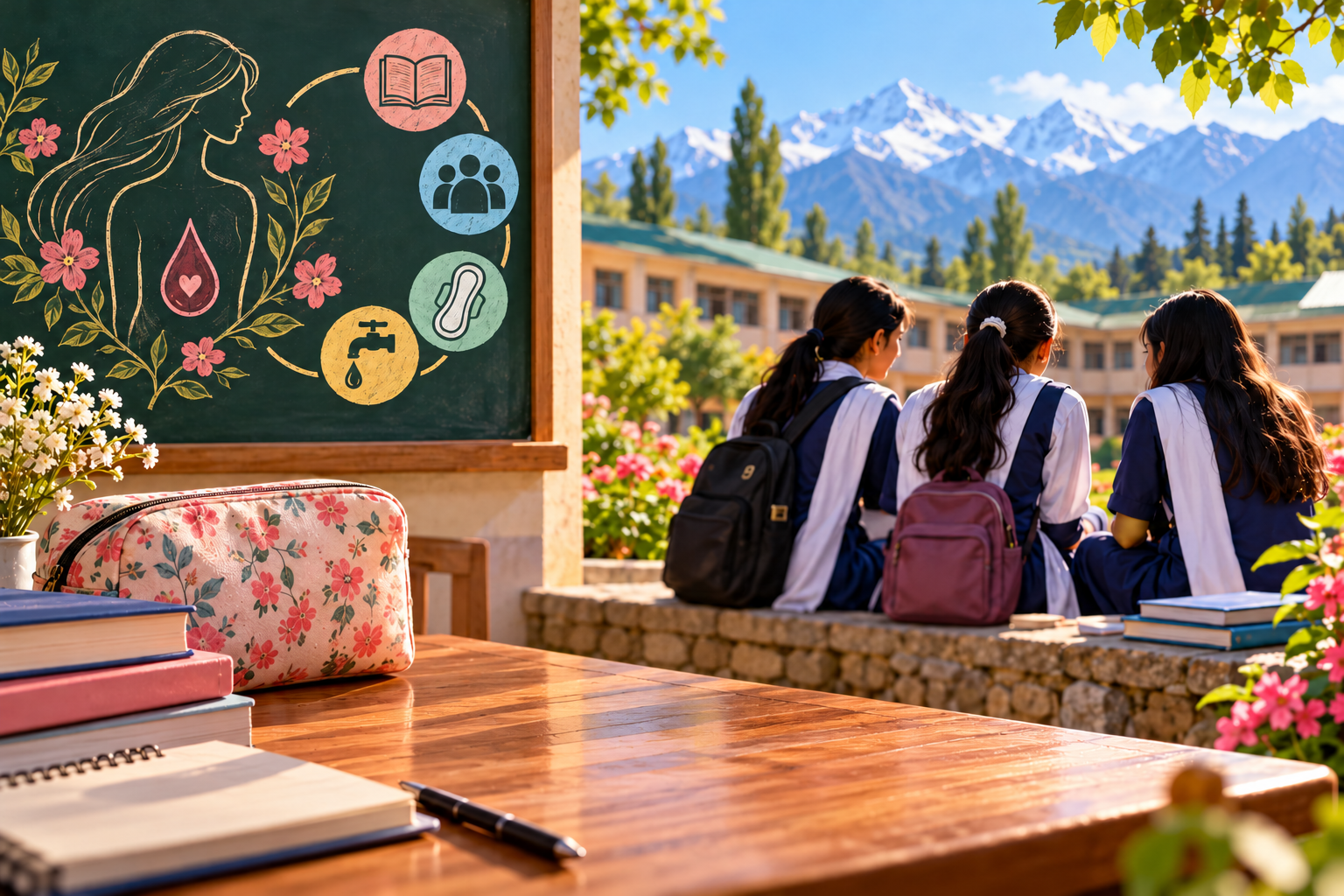
The school has a crucial role to play in enhancing menstrual hygiene practices. Toilets, water, soap, and dustbins are all crucial facilities that must be provided. Girls require private rooms for the management of their menstrual cycles. Teachers should know that periods can mean cramps, tiredness, or general discomfort, so they shouldn’t make girls feel bad about needing a break or missing activities.
Other helpers out there, like Anganwadi centers, ASHA workers, and healthcare folks, can step up, especially in places where information is hard to come by. They show girls how to stay safe and find a product that works for them.
Safe disposal of used sanitary pads and other menstrual products also deserves attention. They need to be wrapped up and tossed according to local rules.
Flushing them? Bad idea. This can block the drainage system. Schools and public spaces need bins and clear info on disposal. Teaching students how to handle waste is good for everyone; it keeps the environment and communities healthier.
A girl in the city probably has more options, pads, pharmacies, and info all around. But girls in rural areas may face additional challenges, including poverty, fewer facilities, distances, and old beliefs. Still, even in cities, periods can be a problem if products aren’t affordable or if nobody’s talking openly.
Menstrual hygiene requires everyone’s participation. Government schools, families, communities. Every girl should get the opportunity for education and proper sanitation facilities. It is not just the “problem of a girl.” It is a matter of public health, equality, and humanity.
Every girl should get the opportunity for education, play, and dreaming irrespective of their menstrual cycle. Girls deserve better facilities, affordable products, accurate education, and understanding.
When we stop treating periods like secrets and start acting like it’s no big deal, that’s when things change. We must replace silence with awareness, myths with facts, and embarrassment with confidence. Girls deserve dignity every day, during their period and always.
“We must replace silence with awareness, myths with facts, and embarrassment with confidence. Girls deserve dignity every day.”
Comments are closed.