
Markets without conscience during Eid
False discounts and rising prices: The Eid market reality

MAJID MAROUPHAY
“When honesty disappears from the marketplace, the festival itself begins to lose its soul.”
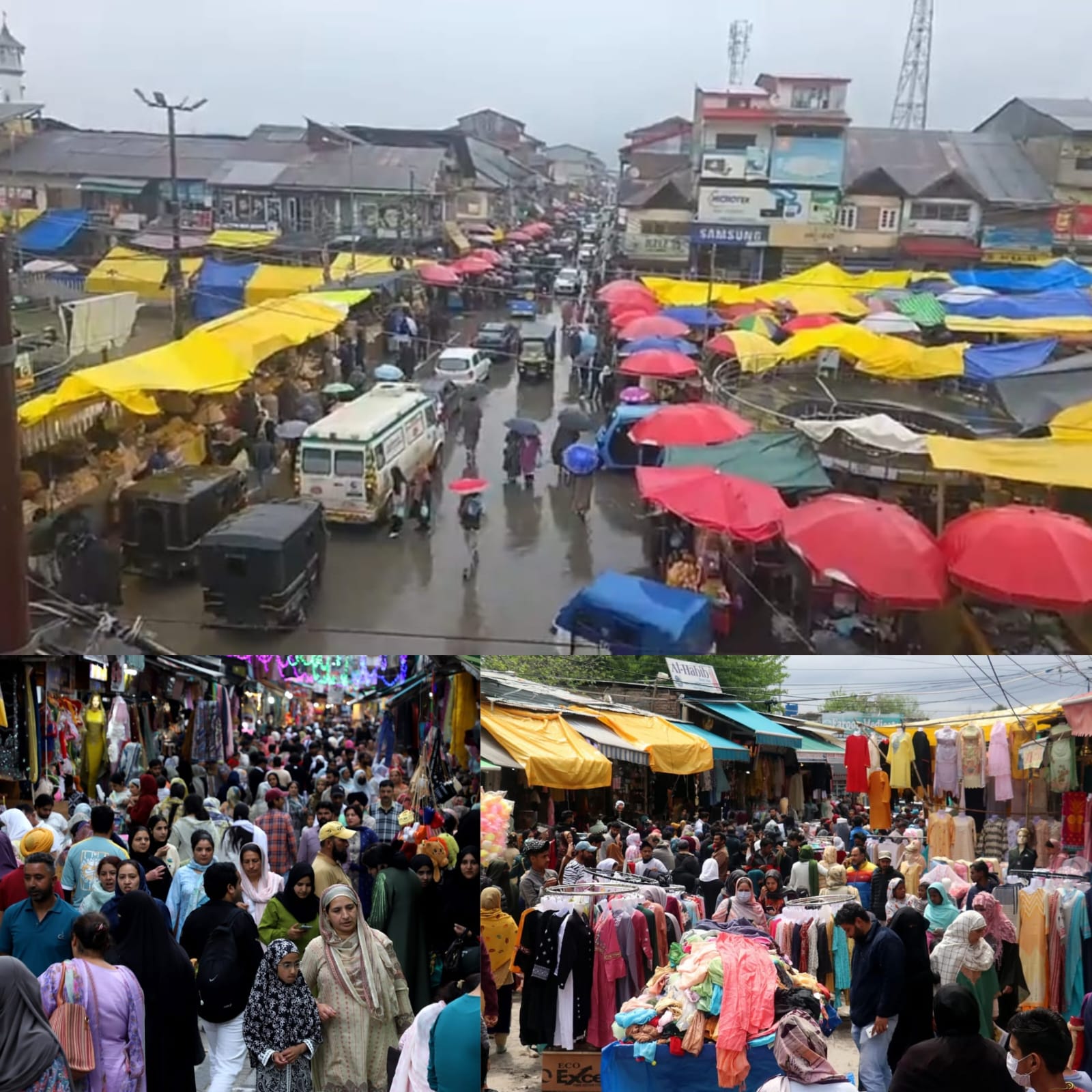
As the Valley prepares to celebrate Eid al-Fitr, the city’s markets are once again overflowing with people. Families from the farthest corners of north and south Kashmir arrive with hope and excitement. Children dream of new clothes, homes prepare for festive meals, and shop windows glitter with colours meant to reflect the joy of the occasion. In spirit, these markets should mirror the generosity, honesty and compassion that Eid stands for.Yet behind this festive glow lies a disturbing and uncomfortable reality.
During a recent visit to one of the city’s busiest markets while shopping for garments for my daughters, I encountered something that perfectly exposes the growing culture of deception in our marketplaces. For days, social media had been flooded with advertisements from ready-made garment shops loudly proclaiming luxury brands, wedding-style designs and astonishing discounts of 50 to 80 percent. Like many others, I too walked into one such store expecting genuine festive offers.
What I found instead was a classic case of bait and deception. The promised discounts had simply vanished. The garments were being sold at shockingly inflated prices, and when questioned about the widely circulated offers, the shopkeepers casually dismissed them as ‘mere promotional posts managed by social media handlers.’ In other words, the dazzling online advertisements were nothing more than bait designed to lure customers into the shop. Unfortunately, this is not an isolated case. Many shoppers entering these markets today are unknowingly walking into the same trap – drawn by glittering promises online only to be confronted with harsh realities once inside the stores.
Worse still, this culture of exploitation is not limited to garment shops alone. As the festival approaches, bakery shops, fruit vendors, poultry sellers, meat dealers and grocery stores often follow the same predictable pattern. Prices shoot up overnight, quality mysteriously deteriorates, and unsuspecting customers are sometimes sold outdated packaged goods, adulterated food items or even rotten fruits and vegetables cleverly displayed as fresh produce.
What we are witnessing is not merely opportunistic business, it is the naked display of greed and lalach. A section of traders seems determined to squeeze every possible rupee from the public during the few days of festive rush. The marketplace becomes less about service and more about how cleverly one can exploit the helplessness of customers who have no option but to shop before Eid. The people who suffer the most are ordinary families. Many travel long distances with carefully planned budgets, hoping to buy modest clothes for their children or essential items for the Eid table. Instead of returning home with the joy of preparation, they often leave the markets with a bitter taste of having been misled, overcharged and taken for granted.
A similar pattern of deception is increasingly visible in the business of household electronic items. Many shopkeepers aggressively use social media to lure customers with unbelievable offers on kitchen appliances and home accessories – cookers, washing machines, refrigerators, mattresses, furnishings and other household essentials. Attractive posts promise massive festive discounts and ‘limited-time deals’ that appear too good to ignore. Some even go to the extent of advertising 80 percent discounts on body exercise equipment such as treadmill and other tools. Tempted by these glittering claims, many people make purchases only to later discover that the products are duplicate, substandard or far below the quality that was promised. The language used in these promotions is often sweet and persuasive, carefully crafted to create urgency and excitement. But behind these plausible tongues and flashy posts lies the same old story of greed – an attempt to cash in on people’s trust through misleading claims and inferior goods.
Equally alarming is the near-total absence of transparency. Many shops display no clear rate lists, misleading advertisements go unchecked and the lack of visible monitoring allows such practices to flourish openly. In such an environment, deception slowly becomes routine and honesty becomes the exception. A market without trust is a market in moral decline. And this is where the real tragedy lies.
A festival meant to remind us of humility, charity and moral responsibility is being quietly hijacked by those blinded by profit. When greed becomes stronger than conscience, even sacred occasions are reduced to mere commercial opportunities. If this unchecked profiteering continues, the festive marketplaces of Eid will cease to be places of joy and instead become symbols of exploitation.
It is therefore time for both the authorities and the trading community to wake up. Misleading advertisements, inflated prices and the sale of substandard goods cannot be allowed to pass as normal business practice. Strong oversight, strict accountability and ethical responsibility are urgently needed. Because if the markets lose their honesty, Eid itself begins to lose its soul.

Comments are closed.