

Malik Nazir
Kashmir is once again confronting a troubling food safety crisis. Even as memories of the rotten meat episode remain fresh, a new wave of alarm has swept through households following reports of eggs allegedly containing carcinogenic elements.This is more than just another headline,it reflects deeper cracks in our daily food consumption.
There was a time when the Kashmiri kitchen symbolized purity, trust, and self-reliance. Families grew their own vegetables, livestock grazed freely, and eggs came from backyard hens. Food was fresh, organic, and deeply rooted in everyday life. But in our rush towards so-called modern choices, many of us moved away from that tradition and switched to processed foods.
Today, the consequences are hard to ignore. The current egg scare has shaken confidence across society. Eggs,an integral part of daily meals, from breakfast tables to bakeries are suddenly viewed with suspicion. As concerns about adulteration become frequent, people are left asking a disturbing question: What is truly safe to eat anymore?
Medical professionals have long warned that food adulteration is closely linked to the rise of chronic and life-threatening diseases. The possibility of carcinogenic substances in something as basic as eggs is deeply disturbing.Recent data indicating that nearly 38 new cancer cases emerge daily in Kashmir only heightens public anxiety.
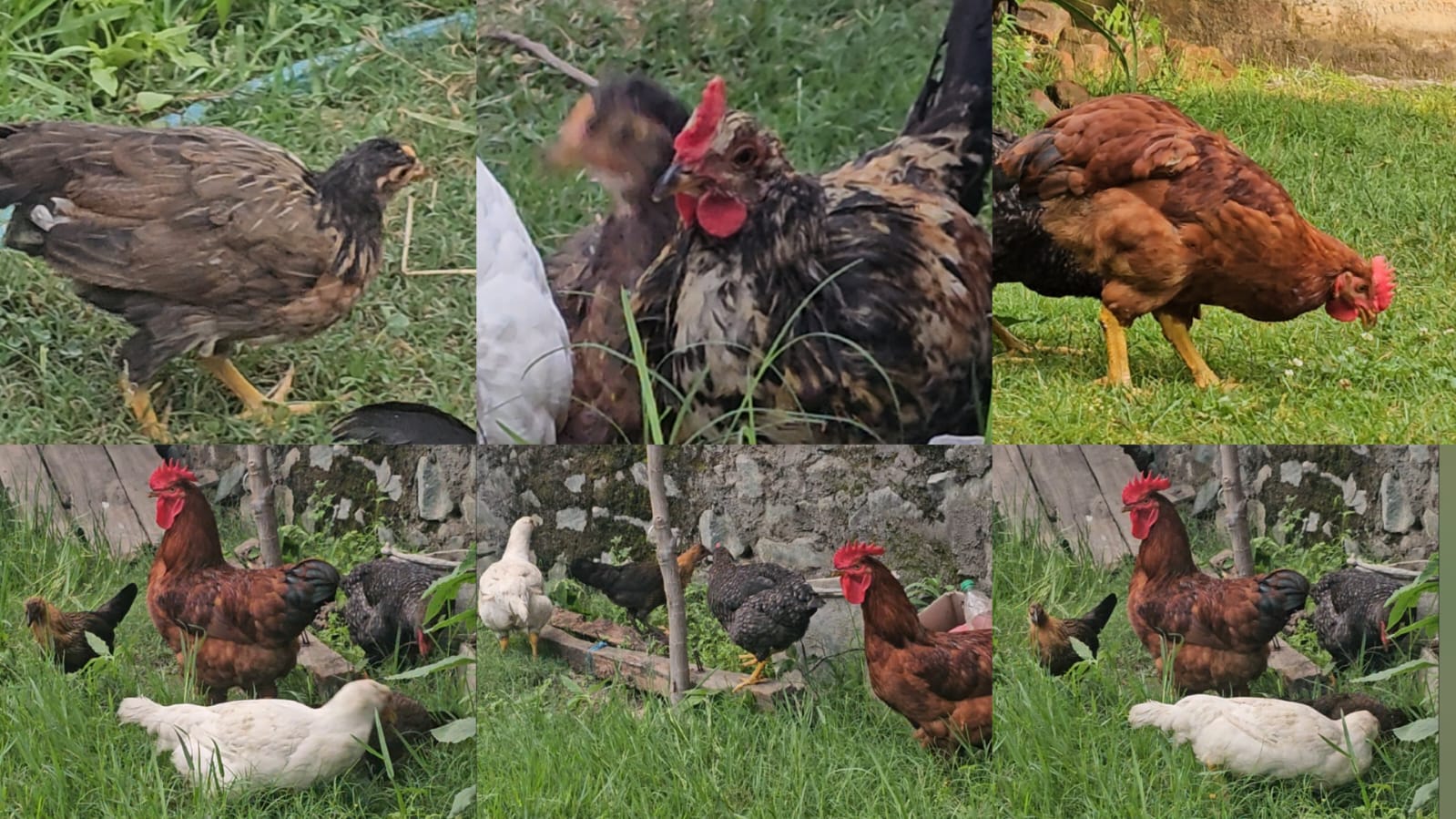
Yet, the way forward is clear and within reach. Restoring confidence in our food begins with mindful choices. Preference must be given to desi poultry, farm-fresh eggs from reliable local sources, and locally grown fruits and vegetables.
Revitalizing local farming and backyard food systems can significantly reduce dependence on outside supplies.
Those with even a small patch of land can grow a kitchen garden or maintain a modest coop of hens. These steps can greatly strengthen household food security, especially in rural and semi-urban areas.
The recurring pattern of food scares rotten meat, questionable dressed chicken, synthetic dairy products, and now contaminated eggs show that we can no longer ignore the problem. We have to take food safety seriously.
Encouragingly, many individuals have already taken this path. A renowned paediatrician in my locality maintains a small coop of about ten hens, while a well-known journalist friend recently met me carrying a rooster to a veterinary clinic. There is dignity not stigma in such efforts.
They reflect self-reliance, responsibility, and pride. If we can lovingly care for expensive pet cats and dogs, there is no reason we cannot nurture a few hens that provide safe, nutritious food for our families.
Institutions and regulators also have an essential role to play. Regular and transparent food testing, strict enforcement of safety standards, and meaningful penalties for violations are critical to restoring public trust.
At the same time, educational institutions, community leaders, and media platforms must actively promote awareness about seasonal, traditional, and home-grown foods.
Kashmir currently depends heavily on supplies from outside the region to meet its demand for eggs. The fact that nearly 97% of eggs consumed in Kashmir are imported from outside the region highlights both a vulnerability and an opportunity.
Demand for desi eggs remains high, with prices ranging between Rs17 and Rs 20 per egg, yet local supply is minimal.This situation also presents an opportunity to encourage local entrepreneurship and livelihoods, especially among women and unemployed youth. Small-scale poultry initiatives, are practical, respectable, and beneficial.
Recent discussions around food quality should be seen not as a cause for alarm, but as an opportunity for reflection and improvement. Strengthening local food systems, supporting responsible production, and making mindful dietary choices can collectively enhance public confidence.
By combining traditional practices with modern standards of safety and awareness, a healthier and more resilient food environment can be built for the future. The journey back may be gradual, but it is both necessary and entirely achievable if we genuinely value our health and our future.
The writer teaches at NM Boys Higher Secondary School, Bandipora, and can be reached at maliknazir.a@gmail.com

Comments are closed.