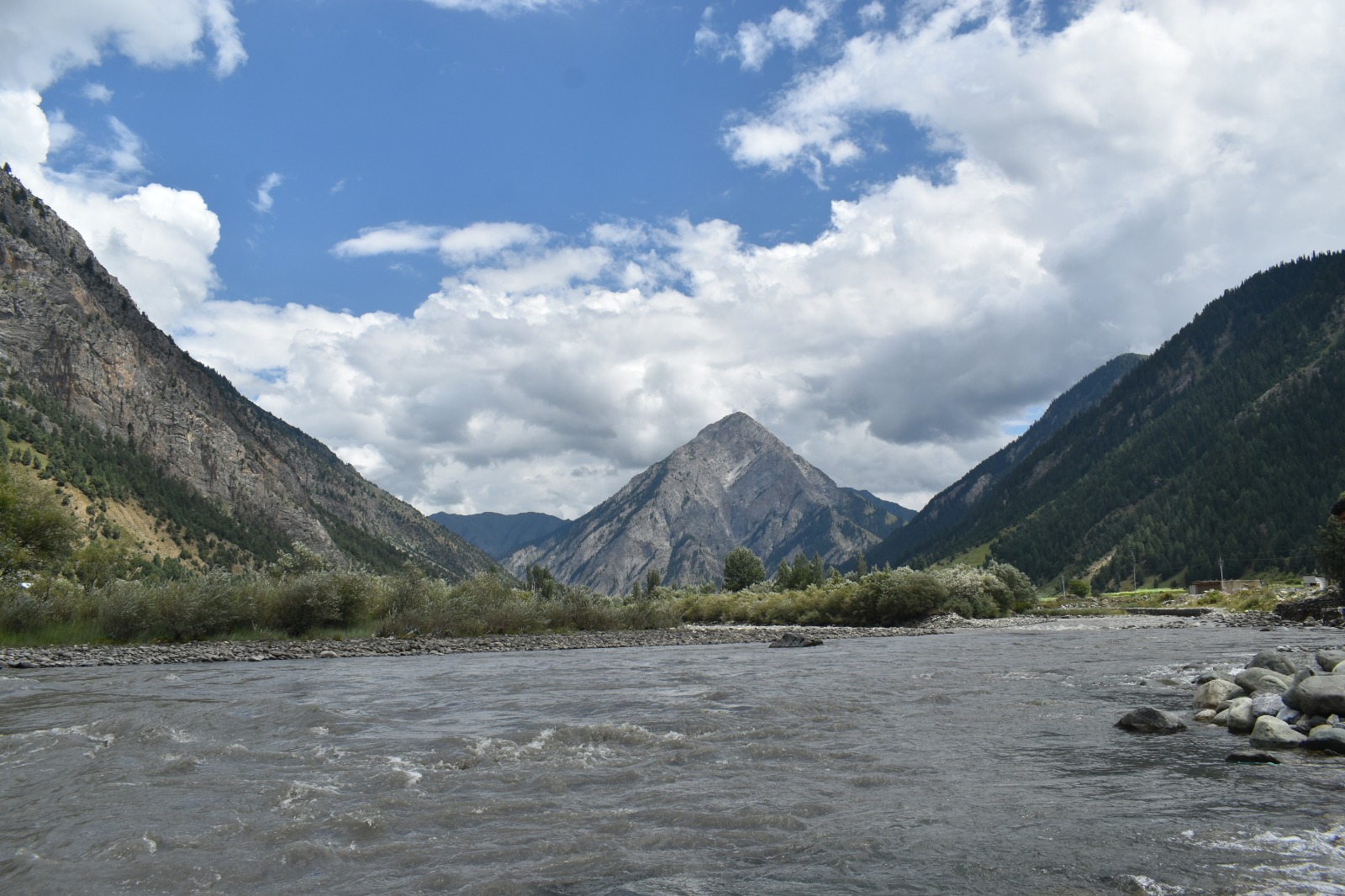
The decision to impose a ban on single-use plastic and enforce stringent penalties against littering in Gurez marks a significant step towards protecting one of Jammu and Kashmir’s most ecologically fragile and picturesque landscapes. Long admired for its untouched meadows, crystal-clear streams and breathtaking mountain vistas, Gurez today stands at a crossroads where the promise of tourism must be balanced with the imperative of environmental conservation. Over the past few years Gurez has witnessed a sharp increase in tourist flow. While tourism has brought economic opportunities to local communities, it has lead to unabated concrete constructions in green zones and has generated unprecedented quantities of plastic waste much of which finds its way into rivers, forests and grazing lands. The sight of discarded bottles, food packaging and polythene bags scattered across a valley celebrated for its natural beauty is a stark reminder that unregulated tourism can become its own worst enemy. Fines for littering, vehicle-based enforcement, installation of large-capacity water purification plants, mandatory waste segregation by hotels, and improved garbage collection together represent a comprehensive strategy rather than an isolated crackdown. Before the Gurez Valley gets converted into a concrete jungle government need to frame a policy to regulate unabated constructions and promote home stays and eco-friendly tourism and discourage large scale hotel constructions. Home stays will ensure the money generated from tourism goes to the people of Gurez not in the pockets of the non-native investors.
Conservation succeeds when institutions and communities work together with a shared sense of responsibility. However, strict enforcement alone will not guarantee lasting success. Local businesses also have an important role. Hotels, Tents and home stays should embrace sustainable practices not merely to comply with regulations but because the long-term viability of their livelihoods depends on preserving the very landscape that attracts visitors. Eco-friendly tourism is increasingly becoming a competitive advantage in destinations around the world. The administration must equally ensure that infrastructure keeps pace with regulations. Adequate waste collection systems, recycling facilities, sewage management and regular monitoring are essential if the new rules are to produce lasting results. Gurez’s environmental challenges are not unique. From hill stations in Himachal Pradesh to trekking routes in Uttarakhand and Kashmir’s own alpine destinations, fragile ecosystems across the Himalayas are struggling under the weight of unmanaged tourism. Ultimately, the true measure of success will not be the number of challans issued but the cleanliness of the valley in the years ahead. Gurez’s greatest asset is not its growing popularity but its unspoiled natural heritage. Protecting that heritage requires collective responsibility, strong government policy, sustained enforcement and a commitment to ensuring that tourism enriches the valley without diminishing the beauty that makes it extraordinary.


Comments are closed.