

Khurshid Ahmad Khan
“Kashmir has long been known for its culture of compassion, yet visible distress continues to haunt our streets and mosque courtyards.”
Kashmir has long been known for its deeply rooted culture of compassion and charity. Across the Valley, several social welfare organisations — including J&K Yateem Trust, J&K Yateem Khanna, Darul-Khairat, J&K Yateem Foundation, Help Poor Voluntary Trust, Cancer Society of Kashmir, Athrout, Islamic Relief Trust and Sakwant Centre — have been doing commendable work in supporting widows, orphans and poor patients. Their efforts in providing shelter, medical assistance and social support deserve recognition.
Yet, despite the presence of so many charitable institutions, a disturbing reality continues to confront us every day.
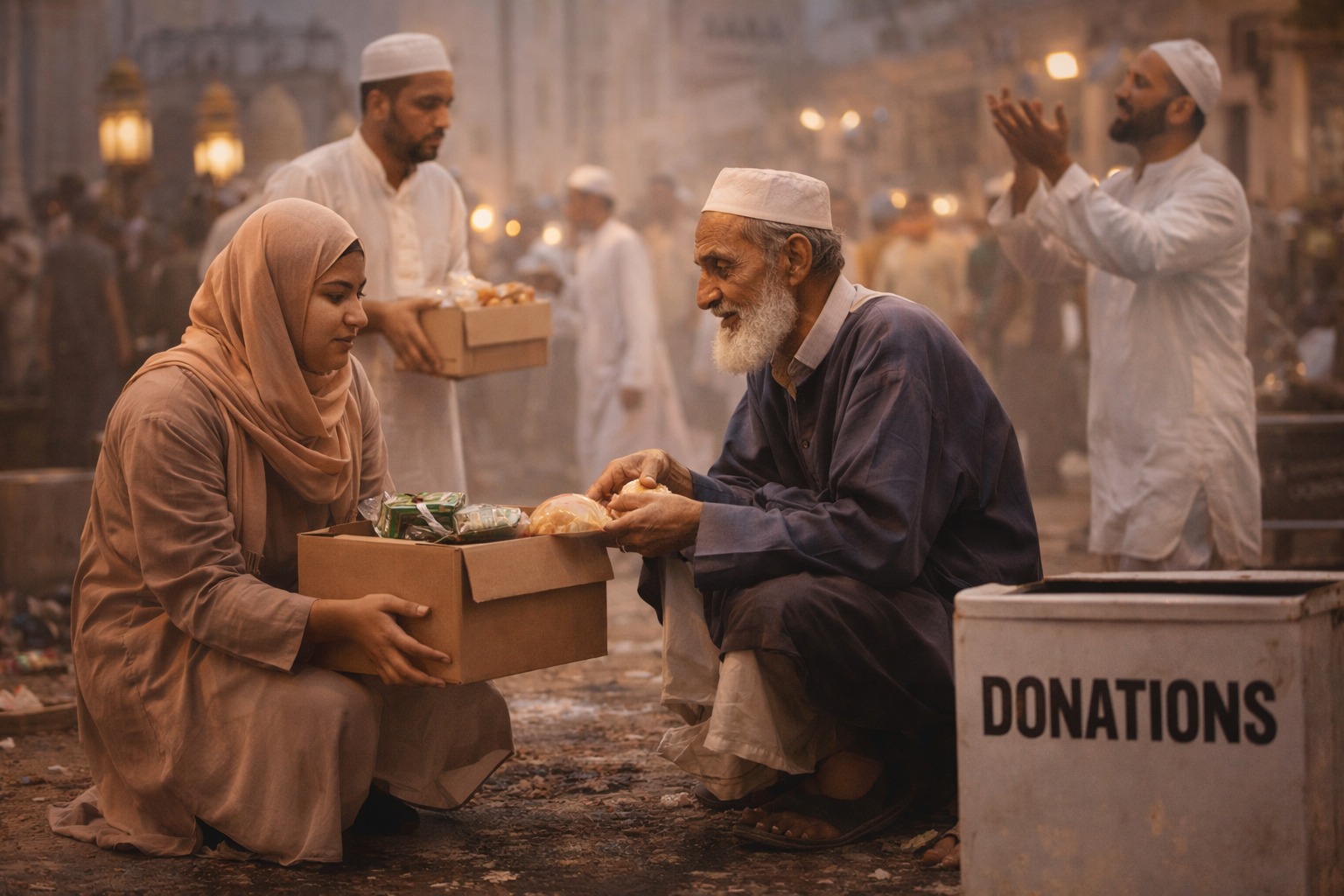
Patients suffering from serious illnesses are still forced to appeal for financial help through newspapers, social media and electronic media. Widows and destitute families continue to approach mosque imams seeking assistance. On Fridays in particular, children, women and persons with disabilities can be seen begging outside mosques across the Valley.
This situation raises an uncomfortable but necessary question: Why does such visible distress continue when so many welfare organisations are already working in the field?
The answer lies not in the lack of goodwill, but in the absence of coordination.
Today, charitable efforts in Kashmir operate in a fragmented manner. Multiple organisations are working independently, often addressing the same issues but without a unified system. As a result, resources are scattered, efforts are duplicated and many genuine cases remain unattended.
Even more worrying is that this disorganisation has opened the door for exploitation. Anti-social elements have begun taking advantage of public sympathy by collecting money from people in the name of patients and needy families. Travelling in vehicles across different districts, such individuals gather donations without any transparency or accountability. This not only deceives the public but also undermines the credibility of genuine charitable work.
The time has come for a serious rethink.
Leading social welfare organisations in Kashmir must rise above institutional boundaries and come together under a single coordinated framework. Establishing a central welfare office with branches across the Valley could transform the way charity is organised and delivered.
Under such a system, people in need could approach a designated office in their respective areas. Their cases could be verified by local mohalla committees before any assistance is granted. This would ensure that help reaches genuine beneficiaries while preventing misuse of public donations.
Similarly, instead of numerous orphanage-cum-school institutions functioning separately with limited resources, the Valley could benefit from two well-established and professionally managed schools-cum-orphanages — one for boys and one for girls. Consolidating resources in this manner would improve facilities, strengthen administration and create better opportunities for the children who need support the most.
A coordinated system would also significantly reduce the nuisance of begging outside mosques, especially on Fridays. When a credible and accessible welfare mechanism exists, vulnerable individuals would no longer be forced to seek help in public spaces.
Most importantly, patients requiring substantial financial assistance for medical treatment could receive support through a transparent and organised process rather than relying on emotional public appeals.
Kashmir’s society has always responded generously to the suffering of others. People give freely when they believe their contributions will genuinely help those in need. What is required now is a structured system that protects this trust and channels charity effectively.
The organisations already working in the welfare sector possess the experience, networks and credibility needed to bring about this change. What is required is the collective will to act together.
Charity in Kashmir should not remain scattered across institutions and appeals. It should be organised, transparent and united — so that no widow, orphan or patient is left to struggle alone.
The moment calls for leadership, cooperation and vision. If our welfare organisations can come together under one umbrella, they will not only strengthen their impact but also uphold Kashmir’s proud tradition of compassion and social responsibility.

Comments are closed.