

Nasir Hussain Peerzada
“Across the Muslim world, recent events underscore the urgent need to critically examine the historical roots of Zionism and the continued dependence of many states on global power structures perceived as imperialistic.”
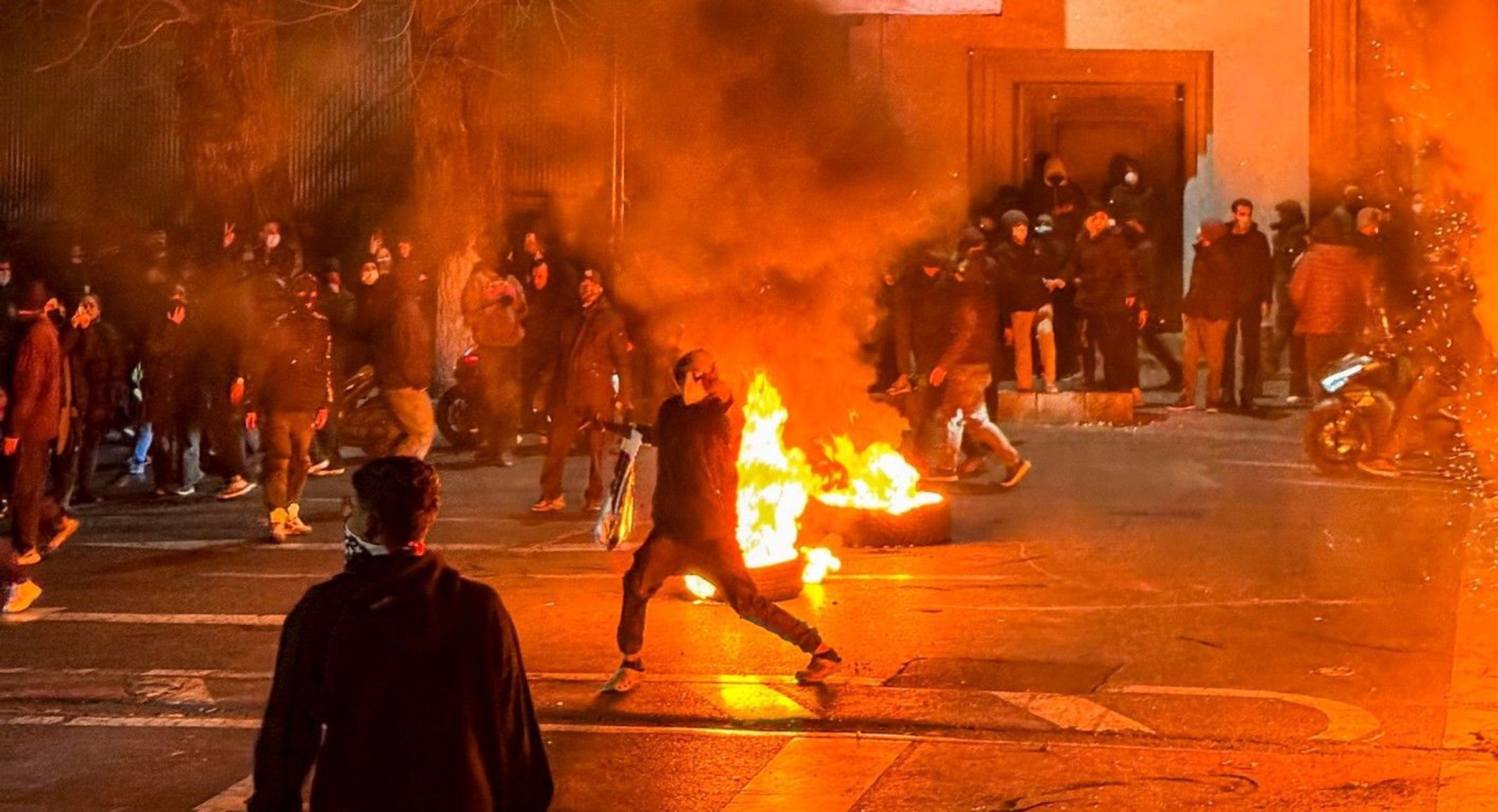
The people of Iran, under the leadership of Ayatullah Ali Khamenei, have once again shown remarkable resilience at a time when the country faces both internal pressures and external hostility. Iran has for decades remained under intense political, economic, and strategic pressure from powerful global actors. In this context, recent episodes of unrest were widely interpreted by many observers as more than spontaneous internal developments. Instead, they were seen as part of a broader effort by external forces to destabilize the country by exploiting social tensions and economic grievances already present within Iranian society.
According to this perspective, the United States–Israel axis actively sought to take advantage of moments of public dissatisfaction in Iran. Internal protests, which may have originated from genuine concerns such as rising prices, unemployment, and declining living standards, were allegedly magnified and redirected for political ends. Foreign interests, it is argued, attempted to manipulate these grievances in order to weaken the Iranian state, erode public trust in its institutions, and project an image of Iran as a nation approaching breakdown. The goal, in this view, was not reform or concern for the Iranian people, but strategic destabilization.
Former U.S. President Donald Trump and his political allies were often portrayed as particularly eager to capitalize on such situations. Their earlier policies toward Iran, including economic sanctions, diplomatic isolation, and open hostility toward Iranian leadership, reinforce this perception. Alongside political pressure, sections of international media were accused of playing a supportive role by repeating and amplifying narratives allegedly shaped by intelligence agencies such as Mossad. Critics argue that such narratives focused heavily on disorder, violence, and chaos, while ignoring social complexity, internal debate, and demonstrations of national unity. This selective portrayal, they believe, was designed to undermine public confidence and weaken Iran’s standing at both domestic and international levels.
However, developments on the ground did not unfold according to these expectations. Supporters of the Iranian system point to what they describe as timely, cautious, and responsible leadership by Ayatullah Ali Khamenei. At a critical moment, the Supreme Leader urged citizens to exercise wisdom and restraint. He called upon the public to clearly distinguish between peaceful protestors with legitimate concerns and those engaged in vandalism, violence, and rioting. This message emphasized national responsibility and warned against allowing foreign forces to exploit internal disagreements for their own political objectives.
Following these appeals, large-scale public mobilizations were witnessed across Iran. Millions of people reportedly took to the streets in various cities and towns, expressing solidarity with the nation and opposition to foreign interference. For many observers within the country, these demonstrations were a powerful expression of unity and political legitimacy. They reflected the belief that while Iranian society is not free from internal problems or differing opinions, it remains deeply committed to defending national sovereignty and resisting external domination. These mobilizations challenged claims that the Iranian state was isolated from its people or on the brink of collapse.
At the same time, this episode also brings into sharp focus the responsibilities that lie ahead for Iranian authorities. Political mobilization and public unity, while important, cannot alone guarantee long-term stability. Enduring peace and cohesion must be supported by effective governance and meaningful reforms. Economic hardship remains one of the most pressing issues facing ordinary Iranians. Declining purchasing power, inflation, unemployment, and limited opportunities continue to affect daily life. These realities cannot be addressed through slogans or mobilizations alone.
If public trust is to be strengthened, there must be visible improvements in living standards, job creation, and social welfare. When people see tangible progress in their everyday lives, the space for unrest and manipulation naturally shrinks. Addressing economic inequality and improving access to essential services are therefore not only social priorities but also key pillars of national stability.
There is also a clear need for proactive and balanced governance. Security and intelligence institutions must remain alert to any foreign involvement that seeks to exploit domestic challenges. At the same time, it is essential that legitimate civic expression is not indiscriminately suppressed. A healthy society allows room for peaceful dissent and dialogue. Drawing a clear line between lawful protest and orchestrated violence is crucial for maintaining both national security and social harmony. Excessive force or blanket repression risks alienating citizens and creating new grievances that external actors can exploit.
Beyond Iran’s internal context, recent events invite a broader reflection within the Muslim world. There is an urgent need to revisit the historical roots of Zionism and critically assess its long-term political, ideological, and geopolitical impact on the Muslim Ummah. Many of the conflicts and divisions that afflict the Muslim world today are not isolated events but are deeply connected to historical processes that continue to shape regional and global power dynamics. Without a clear understanding of these origins, genuine unity and strategic clarity will remain difficult to achieve.
At the same time, Muslim rulers and political elites must seriously reflect on their continued dependence on global power structures that many view as imperialistic. Emancipation from such dominance—often symbolized by figures like Donald Trump and those who share his worldview—requires more than rhetoric. It demands political courage, economic self-reliance, regional cooperation, and governance rooted in justice and accountability rather than external approval. Without such transformation, Muslim societies will remain vulnerable to pressure, manipulation, and division.
In conclusion, recent developments have once again demonstrated the capacity of Iran’s leadership and its people to confront both external pressure and internal challenges. Yet resilience must go beyond moments of crisis. Long-term stability depends not only on political unity but also on responsive governance, economic reform, and sincere efforts to address public grievances. Only through such a balanced and inclusive approach can future unrest be prevented and national resilience truly sustained.

Comments are closed.