
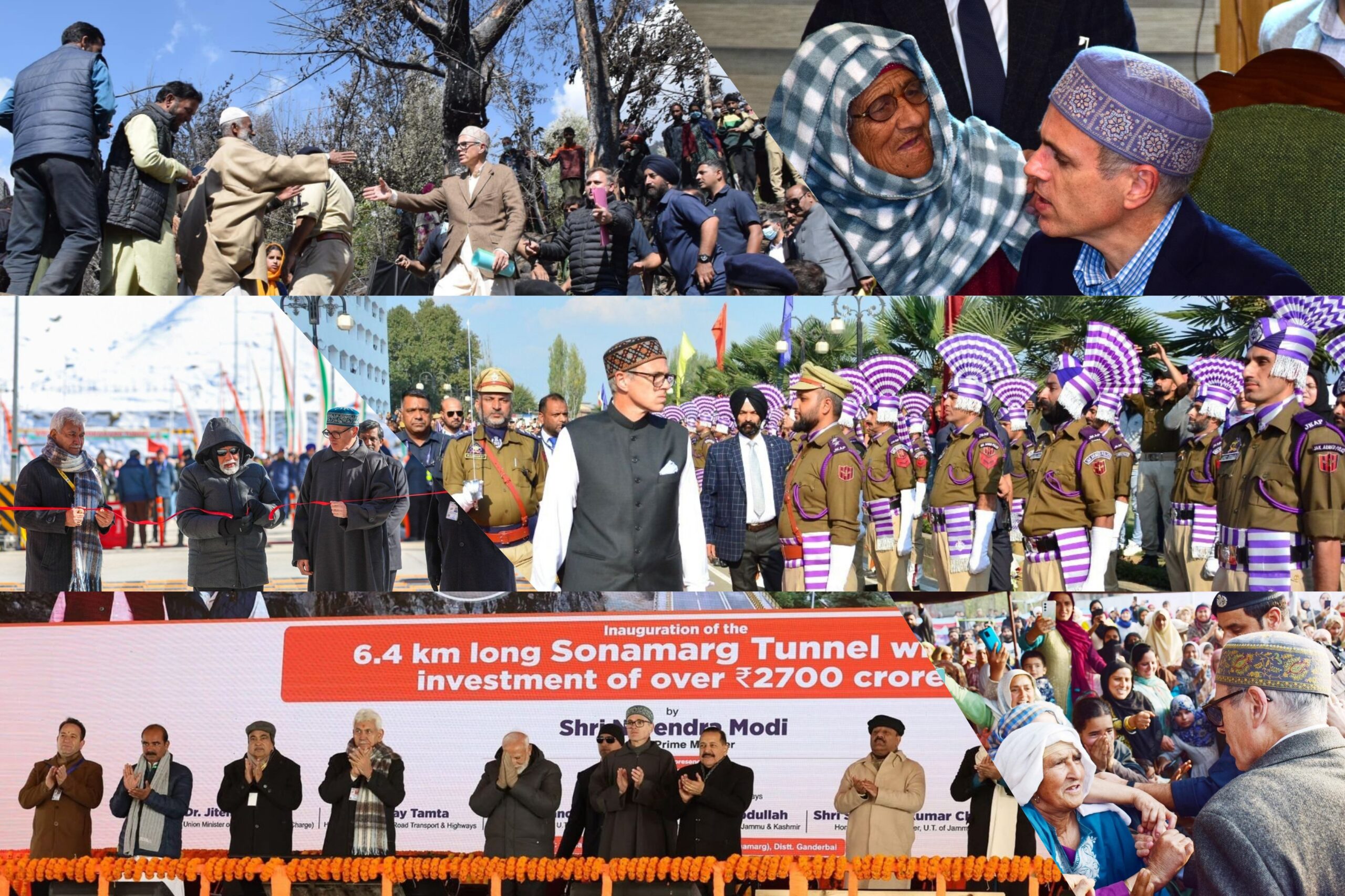
Good Governance Gains in J&K and the Case for Statehood
“Full statehood would restore the political and fiscal agency necessary to craft responsive economic and social policy”

Mohammad Muzaffar Khan
“Operating within the structural limitations of Union Territory status, the Omar Abdullah government has shown that administrative clarity and political intent can still translate into measurable progress.”
Jammu and Kashmir’s entry into the top ten of the State of Governance Report 2024, securing the tenth rank nationally, marks an important moment in the region’s administrative journey. It reflects more than an improvement in numbers; it points to a gradual shift toward governance that values outcomes and delivery. Under the Omar Abdullah government, a mix of institutional reform, attention to public services, and a results-oriented approach has begun to translate intent into visible progress. With fifteen projects assessed as strong performers, including several with high impact, the Union Territory has shown that governance improvements are possible even within the limitations of its current framework.
The progress is evident across sectors. Ranking second in District Governance suggests stronger local administration and better coordination at the grassroots. The health sector’s rise from eighth place in 2023 to fourth in 2024 signals improved access and outcomes for citizens. Securing the top national rank in sanitation reflects sustained efforts in delivering essential services. Agriculture, e-governance, and tourism have also performed well, pointing to a more balanced development path. Initiatives such as the Holistic Agriculture Development Programme, AB PMJAY SEHAT, eUNNAT, smart city interventions in Jammu, and sustainable urban mobility projects in Srinagar have played a meaningful role in shaping these results.

These achievements deserve acknowledgement. Operating within the structural constraints of Union Territory status, the Omar Abdullah government has demonstrated administrative clarity and political intent. At the same time, governance efficiency alone cannot address deeper economic and fiscal challenges. The NITI Aayog Fiscal Health Index 2025 draws attention to concerns around fiscal sustainability, limited revenue mobilisation, and the need for greater efficiency in public spending. These are challenges that extend beyond routine administration.
Economic development is not merely an administrative task. While bureaucrats are essential to implementation, long-term transformation requires economic insight, strategic thinking, and careful policy design. An excessive reliance on administrative processes can lead to programmes that are executed efficiently but lack sensitivity to local realities, financial constraints, or long-term impact.
Development, at its core, is about balance. It requires thoughtful choices, an understanding of trade-offs, and an appreciation of how different sectors and communities are connected. Lasting progress depends on investing in areas where benefits endure rather than delivering quick but shallow gains.
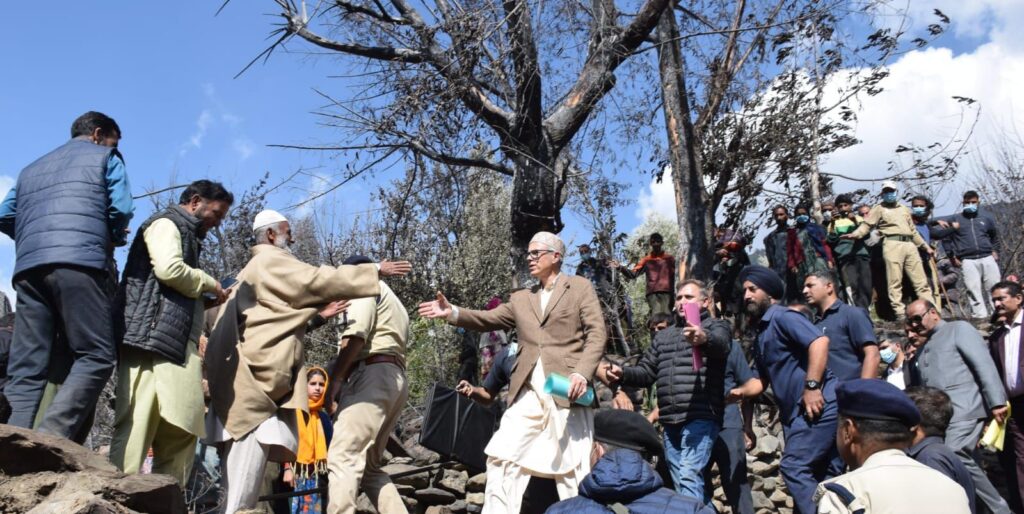
Tamil Nadu offers a useful example. By placing economic reasoning at the centre of governance, the state has built institutions that support informed decision making. Its Economic Advisory Council, comprising leading economists and experienced administrators, provides research-based guidance on policy choices. Through its State Planning Commission, Tamil Nadu regularly monitors economic indicators, evaluates public programmes, and aligns policy with long-term development goals. Governance in this model is guided by evidence and reflection rather than instinct alone.
Jammu and Kashmir could benefit from a similar approach. Although governance has improved, the region’s economic strategy and development planning require deeper expertise and a stronger understanding of local conditions. Its geography, history, and social fabric call for solutions that are carefully tailored, not adapted wholesale from elsewhere. Development must grow from within the region, shaped by its own realities and aspirations.

This is where the case for statehood becomes particularly relevant. Restoring full statehood would provide Jammu and Kashmir with the political and fiscal space needed to design responsive economic and social policies. It would allow greater flexibility in resource mobilisation, clearer accountability to the people, and a shift from excessive bureaucratic control toward decision making informed by expertise and public consent. Far from weakening governance, statehood would strengthen it.
The 2024 governance rankings indicate that Jammu and Kashmir is moving in a positive direction. The Omar Abdullah government deserves credit for advancing reform within existing constraints. The next phase should build on this progress by moving beyond administration-centred governance toward a model that values knowledge, participation, and local context. By integrating economic expertise, restoring political agency, and reducing overdependence on bureaucratic processes, the region can pursue development that is sustainable, inclusive, and genuinely reflective of the people it seeks to serve.
Author Mohmad Muzaffar Khan is a Srinagar based scholar and media professional with a postgraduate degree in Mass Communication and Journalism. With seven years of experience as an active political writer, he has developed a strong reputation for analytical depth, clarity of thought, and a nuanced understanding of socio-political issues. He can be mailed at Muzaffar.khn2010@gmail.com

Comments are closed.