

Suhail Khan
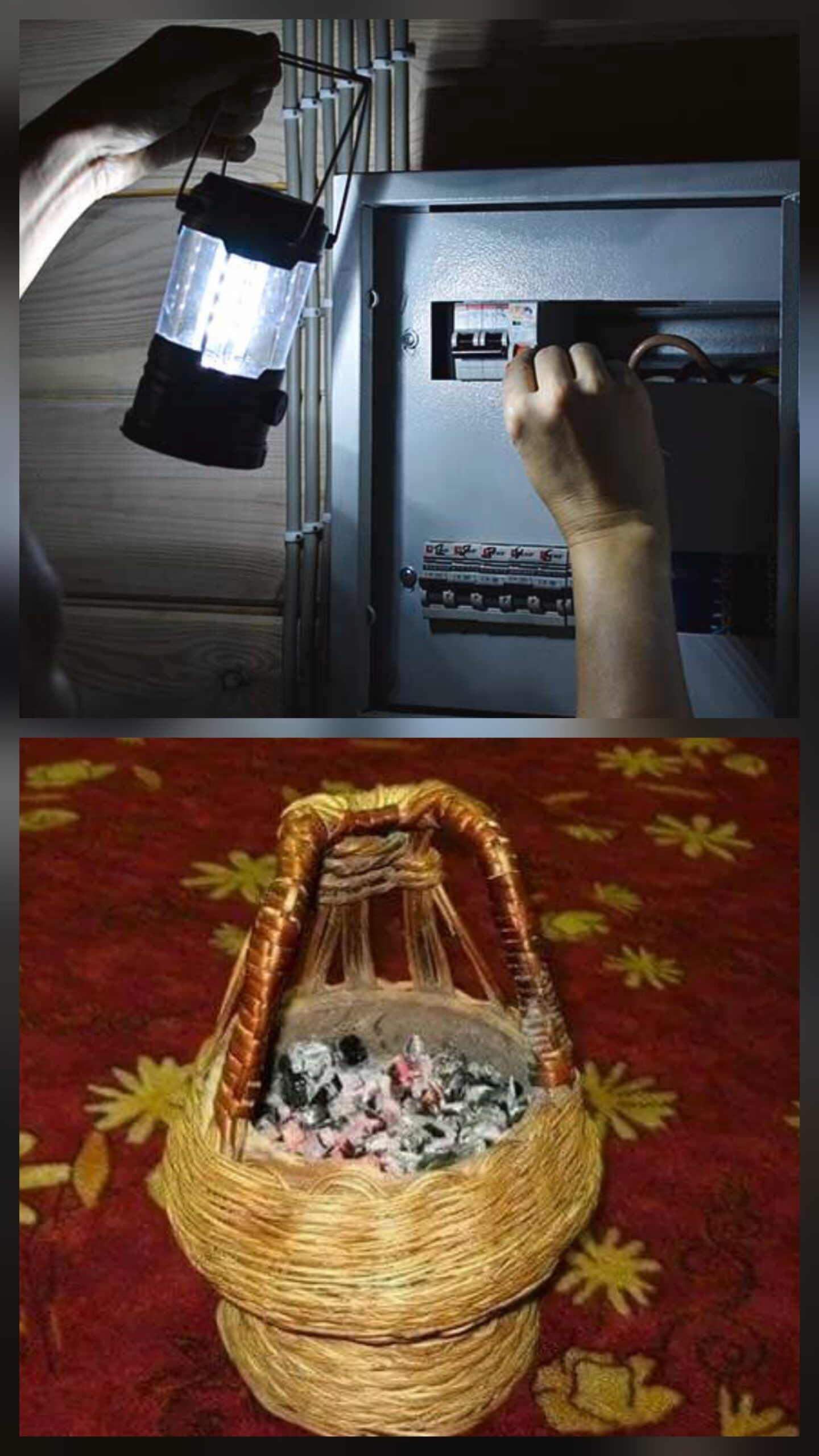
SRINAGAR, Nov 27: As electricity becomes costlier in Kashmir and promises of 200 free units remain unfulfilled on the ground, residents are turning back to a traditional source of warmth amid the ongoing harsh winter the Kangri.
With recent snowfall in the higher reaches, the demand for these portable fire pots has surged. As people brace for the chilly months, the sought-after Kangris have seen a substantial price increase.
Sheikh Tariq, a resident of North Kashmir, voiced concerns about the rising costs but acknowledged the high demand. “People are buying them regardless,” he told Kashmir Convener.
He emphasized that a Kangri is more than just a heat source it remains a vital tool, especially when electronic heaters are rendered useless by frequent power cuts, despite the widespread installation of smart meters.
Elderly resident Abdul Satar highlighted the Kangri’s renewed significance. “They had lost some relevance in recent years but have regained their importance,” he said.
Satar described the Kangri not only as a reliable source of warmth but also as a piece of traditional art. “With the electricity issues, electronic devices fail to serve their purpose in winter. The Kangri is our only dependable weapon against the cold,” he added, stating that people are purchasing them willingly despite the higher prices.
We were promised 200 units of free electricity, yet that pledge remains unfulfilled. Instead, the NC led Govt. made smart meters mandatory, which begs the question, how is a struggling family supposed to afford these exorbitant bills? If we use heaters to keep warm, the cost will be astronomical. For those of us already fighting for survival, the only practical solution is to return to our traditional fire pot, the Kangri. It, at least, saves us from one form of hardship,” laments Saliq Ahmad, a senior citizen, in conversation with Kashmir Convener.
Kangri maker Kaiser Ahmed from Botingoo, Sopore, reported that prices currently range from ₹200 to ₹1,000, with high-quality models averaging ₹600. He stated that his village alone sells approximately 200,000 Kangris per season, supporting many families who rely on this traditional craft.
“While demand had declined in previous years, we’ve seen a notable resurgence since last year,” Ahmed said, expressing satisfaction with the seasonal sales boost. He also highlighted a niche market for decorative Kangris. “We craft decorative pieces that are highly sought after as gifts, particularly for weddings. We’ve adapted the traditional style with a modern touch, creating special gift items that captivate recipients.”
Ahmed remains hopeful for a surge in sales this season. “Despite past challenges, people in this business are optimistic, seeing this revival as an opportunity to sustain the craft for future generations.”
The resurgence is attributed to several factors, including rising prices for LPG cylinders and firewood, coupled with the unreliable electricity supply.
However, the industry still faces challenges. Ishfaq Ahmad, a Kangri maker from Nadihal village in Baramulla, recalled a period of decline. “I used to sell over 200 Kangris in a season, earning more than ₹50,000. However, the availability of electric gadgets decreased our sales and affected our business,” he explained.
He noted that the trend has reversed since last year. “The installation of smart meters, which discourages high electricity consumption for heating, has forced families to return to the traditional fire pot,” Ahmad said.
Describing the intricate process, Ahmad explained that crafting a Kangri begins in autumn with the collection of wicker sticks, which undergo a labor-intensive process of boiling, peeling, and drying. Artisans then weave the prepared sticks around an earthen pot. The cost, ranging from ₹250 to ₹1,500, reflects the materials and craftsmanship involved.
Echoing Kaiser Ahmed’s sentiments, Ishfaq confirmed that fashionable Kangris command higher prices and are popular with tourists and as decorative gifts.

Comments are closed.