

Suhail Khan
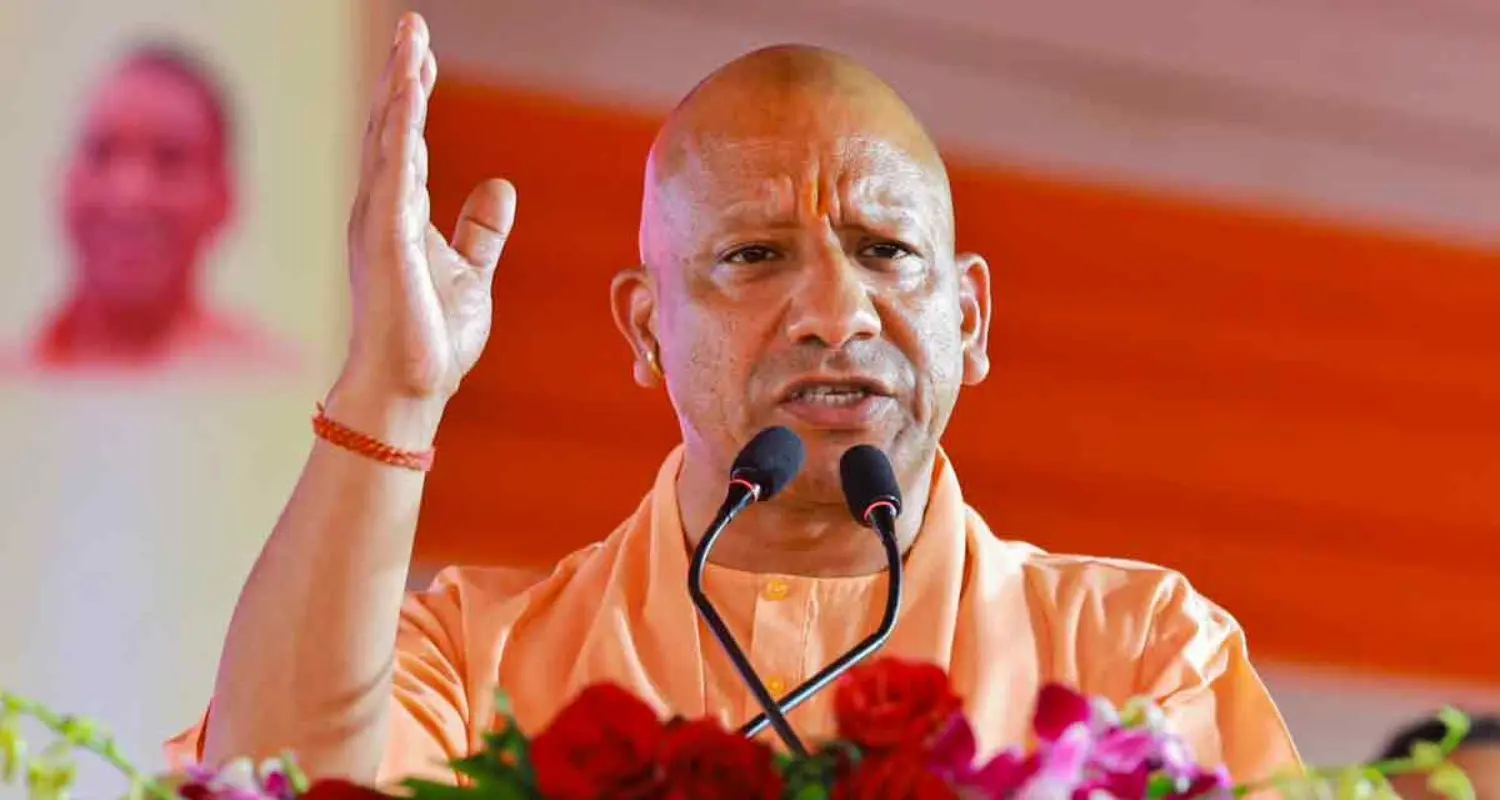
New Delhi, Dec 15 : Uttar Pradesh Chief Minister Yogi Adityanath on Monday attributed the origins of separatist unrest in Jammu and Kashmir to the political legacy of India’s inaugural Prime Minister, Jawaharlal Nehru.
He argued that Nehru’s strategic choices during the nascent years of independence fostered conditions that allowed discord to take root in the region.
Adityanath as per Kashmir Convener suggested that an alternative historical trajectory, wherein the late Home Minister Sardar Vallabhbhai Patel had overseen Kashmir affairs, might have averted the decades-long dispute altogether.
Speaking at a public event, the Chief Minister as per this newspaper commended Prime Minister Narendra Modi for fulfilling what he described as the “unrealized ambitions” of Sardar Patel and Dr. Syama Prasad Mukherjee through the 2019 repeal of Article 370. He framed the legislative change as a conclusive act of national integration for Jammu and Kashmir.
“This decisive step has firmly established the ethos of a single nation, governed by one constitution and united under one flag,” Adityanath stated, characterizing the repeal as the correction of a longstanding “anomaly.”
Adityanath also delivered pointed remarks directed at Pakistan, cautioning that any adversarial moves against India would constitute a threat to Pakistan’s own stability. He voiced support for the residents of Pakistan-occupied Kashmir (PoK), forecasting that the region would “ultimately merge” with India.
Referencing comments by the accused militant Hafiz Saeed, Adityanath advised Pakistan to “learn from its past miscalculations” and cease hostilities. He further urged the Indian government to adopt a more vocal stance regarding Balochistan.
The Chief Minister also took aim at the opposition Congress party, specifically criticizing senior figure Digvijaya Singh for employing the phrase “India-occupied Kashmir.” Adityanath denounced the terminology as revealing of the party’s “mindset,” which he blamed for policies that historically “compromised national sovereignty” in Kashmir.

Comments are closed.