Srinagar, April 4: Repeated anti-corruption operations in Jammu and Kashmir have revealed a pattern of bribery cases involving revenue officials, particularly Patwaris, though authorities have not released any consolidated data on the total number of officials trapped or charge sheeted in recent years.
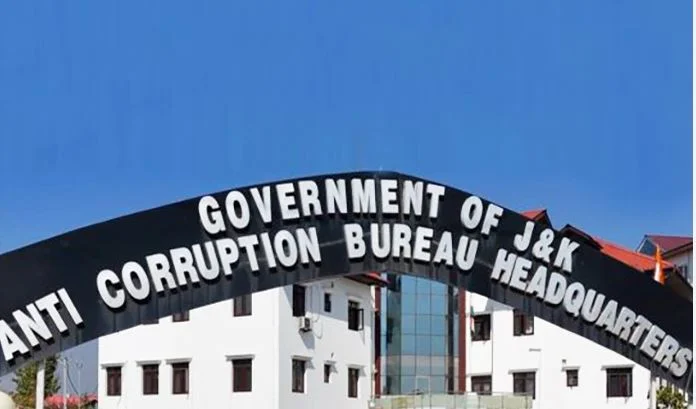
The Anti-Corruption Bureau (ACB) has conducted multiple trap operations and filed chargesheets across districts, frequently involving Patwaris accused of accepting bribes for land-related services, officials said.
The development comes amid continued public complaints regarding corruption in land administration, one of the most accessed government services in the region.
Despite regular case disclosures, no official dataset exists specifying how many Patwaris, Tehsildars or Naib Tehsildars have been booked or chargesheeted on bribery charges over a defined period.
Officials said ACB records are maintained on a case-by-case basis, without designation-wise aggregation.
“Each case is documented individually. There is no compiled category-wise public figure,” an official familiar with the process told the news agency Kashmir News Trust.
Available case patterns indicate that Patwaris account for the majority of trap cases, often caught allegedly accepting bribes for services such as mutation, issuance of revenue extracts and verification of land records.
Tehsildars and Naib Tehsildars, while less frequently caught in trap operations, have appeared in chargesheets in cases involving higher-value transactions or coordinated misconduct, officials said.
Officials say the trend reflects the structural role of revenue officials. Patwaris serve as the first point of contact for land-related services, increasing their exposure to complaints and enforcement action.
“The frequency of cases is linked to the level of public interaction,” they said.
People across districts have repeatedly raised concerns about unofficial payments for routine services.
“There should be a system where everything is transparent and online to reduce such practices,” a local from south Kashmir said.
The absence of consolidated data has also raised questions about transparency and policy assessment.
Authorities maintain that action is taken based on complaints and evidence, and that enforcement agencies continue to act against erring officials.
The issue highlights a broader governance gap, where frequent enforcement actions coexist with limited public visibility of cumulative data.
An official said on condition of anonymity that introducing periodic, category-wise disclosures could strengthen accountability and public trust. [KNT]



Comments are closed.