
A Year of Absence, a Lifetime of Presence
A remembrance of a father whose love outlived time

Dr Toyeba Mushtaq
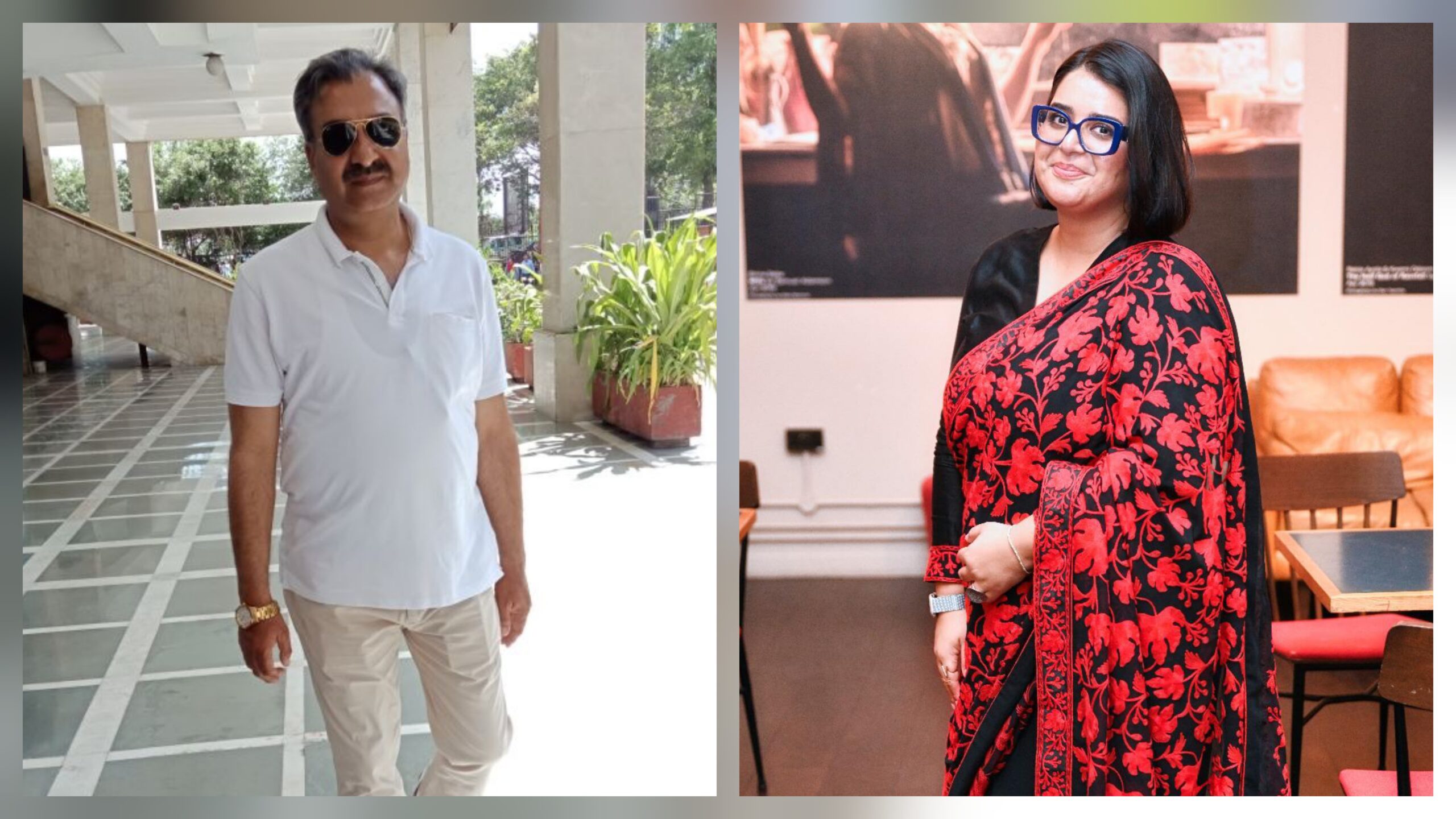
Twelve months have passed since my father left us, and yet the world still feels hushed, as though it has collectively lowered its voice in reverence to absence. The blank stares at familiar walls persist. The midnight tears remain faithful in their return. Breath still comes in gasps on certain days, and the hollowing of the heart has not learned how to heal. What he left behind is not merely grief, but an immense, unfillable void, alongside an army of admirers and a lifetime of stories. Some were sublime, some absurd, all unmistakably his. This is not an obituary. It is a remembrance, a celebration of a life lived with principle, tenderness, rebellion, and grace, a life that quietly altered the worlds it touched.
I used to notice how people’s voices softened, how their eyes grew heavy, when they spoke the word orphan. For years, I did not understand the gravity of that pause. Now I do. I understand the silence that follows the word, the way it collapses language itself. No vocabulary is adequate to describe what is lost in becoming one. It is not only a parent who disappears, but also a sense of home, of safety, of unquestioned belonging. I am angry, hurt, and heartbroken that you had to leave, but I also know this. You fought like a warrior. When doctors gave us four months, you gave us four years. You lived those years like a king.
I remember the side glances when, after endless rounds of chemotherapy, you dressed impeccably and stepped out into the world. I remember how you welcomed people with open arms even when your body was exhausted. I remember your patience with intrusive questions, your gentle smile in response to ignorance. I remember how you stopped eating but ensured that everyone else’s favourite dishes appeared on the dinner table. Even in suffering, you were generous. You endured multiple rounds of chemotherapy and at least four major surgeries over the course of four years, yet not once did grace or perseverance abandon you.
I have never witnessed, nor do I believe I ever will, a strength as quiet and dignified as yours. Even now, in moments of silence, I can hear your cries from the final days of that long ordeal, when the doctors could no longer find a vein to place an IV. I remember how, after returning from Hajj, you refused to let anyone photograph you until your hair grew back. When your first round of chemotherapy began, I remember bhai shaving your head, and you enduring it all with a smile. The relentless hospital visits never diminished your resolve or your will to live. You fought until the very end, until the weight of it all became too heavy to bear. The kindness and composure with which you spoke to your doctors, nurses, and carers, even while in immense pain, remain a testament to the man you were.
Time, during those years, behaved strangely. Days felt endless, yet moments slipped away like sand through open fingers. Our world seemed to stop, while the rest of the world moved on, indifferent. Still, the hardest part has been this past year.
There are countless moments when I reach for him instinctively, for reassurance, for comfort, for that familiar sentence that once made the world feel manageable. “Main hoon na, kisi aur ki kya zaroorat.” I imagine him standing just out of sight, cheering me on, announcing my achievements with quiet pride, celebrating every milestone as though it were his own.
A year later, it is not easier. The anxiety, the physical ache, the constant awareness of absence live with me, in every breath, in every dream I dare to imagine. I miss you more than words can carry. This year of grief has also been a year of reckoning. People I thought were permanent faded into distance. Relationships fractured. And only then did I fully understand how much you had been holding together, silently and steadily, in my life. With you gone, I have had to say goodbye not only to you, but to versions of myself and my world that existed because of you.
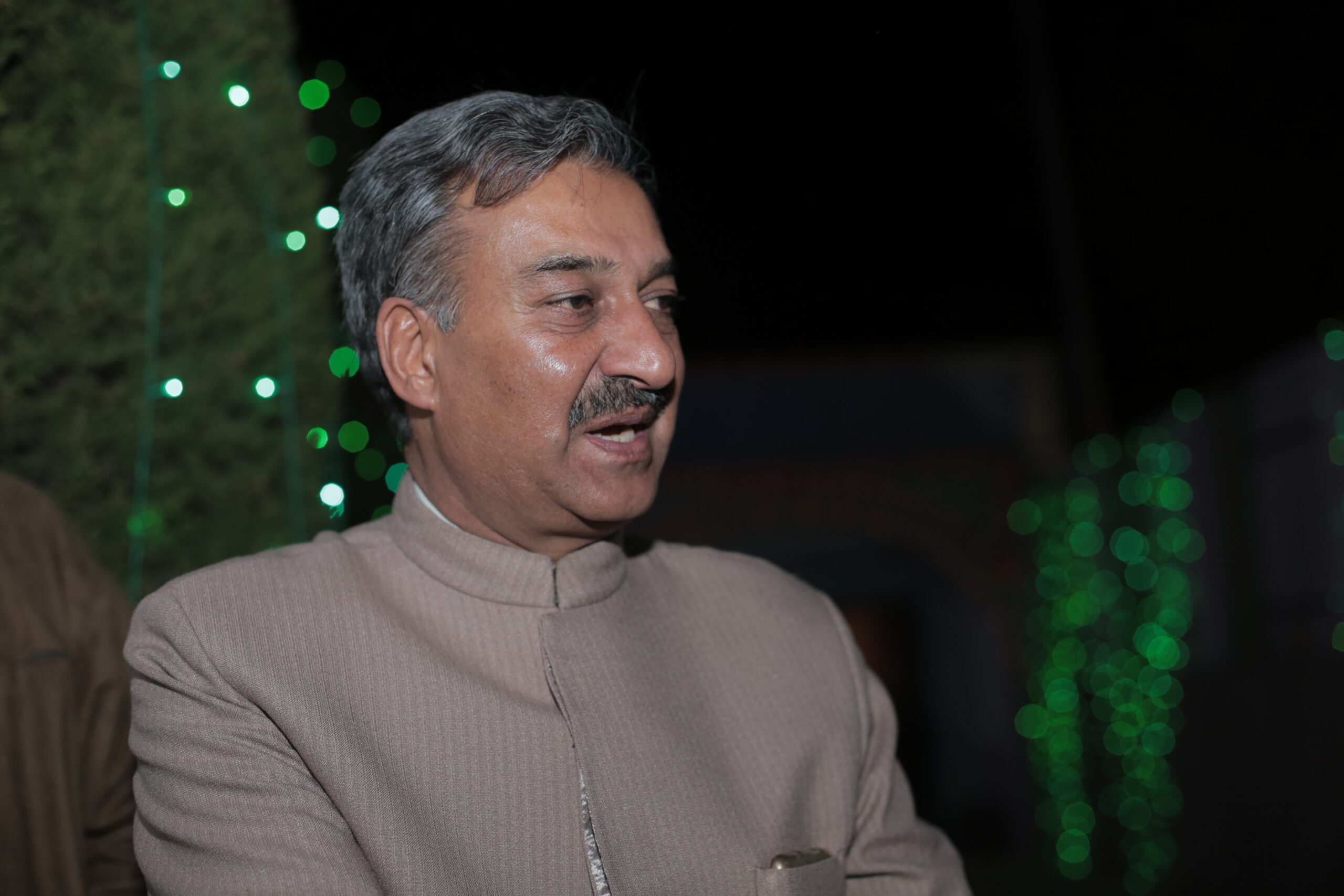
Born on 9 June 1956, my father was a man of unwavering principles, a devoted family man, and a lover of music. He often returned to “Jaane woh kaise log thay” from Pyaasa, as if it held a philosophy he lived by. His life was marked by resilience. He survived a kidnapping in the early 1990s. He was cast out of his parental home for marrying the woman he loved in the 1980s. He rebuilt a life brick by brick with my mother, my brother, and me. He stood fiercely against injustice, especially when it threatened his family.
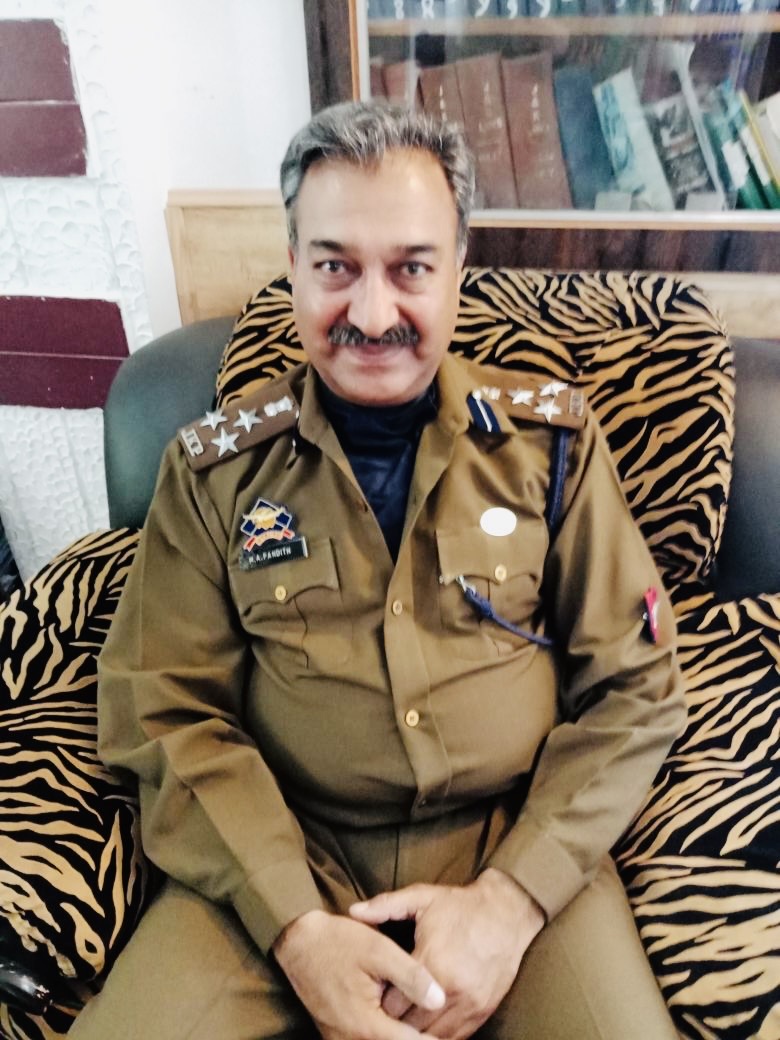
Professionally, he rose to the highest post of Director in Prosecution, his intellect razor-sharp and his integrity intact. He carried an impeccable sense of style and an equally impeccable curiosity for life. He appreciated the finer things but never dismissed the joy of something simple if it caught his eye. Films, art, travel, mischief, he embraced them all with enthusiasm.
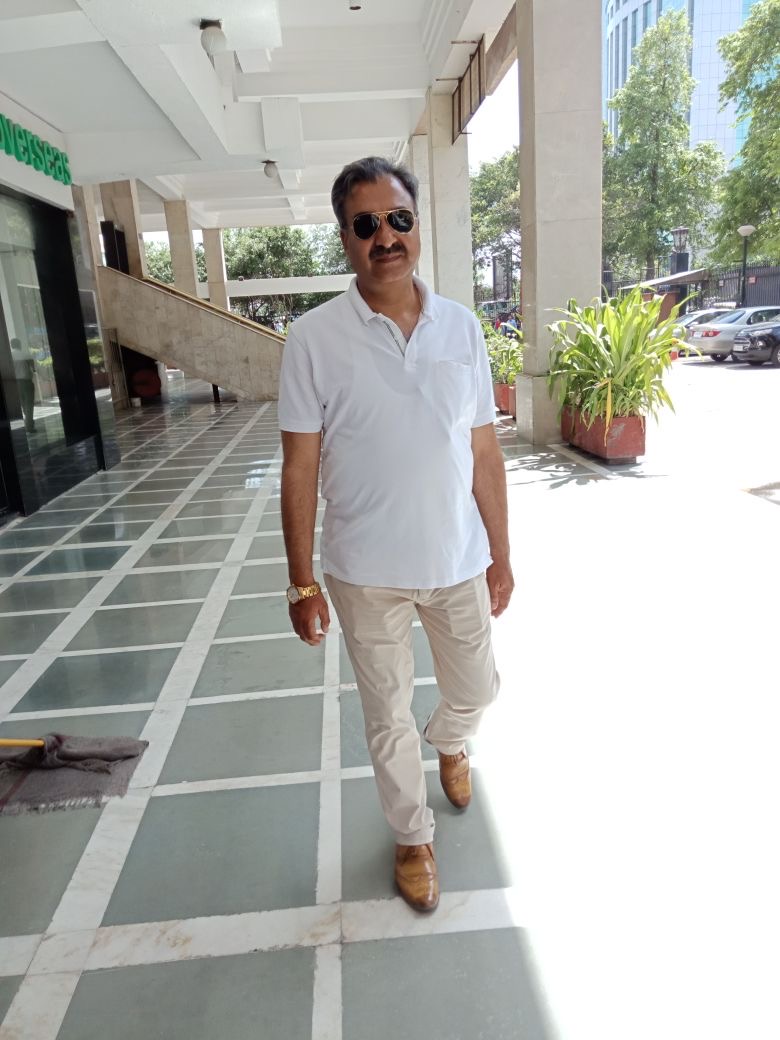
Any journey with him became a memory others would cherish for years. People across generations were drawn to his company. His love for gardening, his eye for beauty, and his meticulous attention to detail left every space he touched fuller, warmer, and more alive.
Distanced from the structure of the joint family, he cultivated a closely knit nuclear household grounded in values of honesty, integrity, and care. Through modest yet meaningful gestures, he consistently ensured our well-being, whether navigating a two-seater scooter with four passengers or personally assisting daily labourers in the construction of the house we came to call home, brick by brick, in order to manage costs and secure small comforts for his family. His presence was marked by an insistence on inclusion; wherever he went, his family accompanied him in spirit and practice.
From an early age, my brother and I were affirmed as valued and deeply loved individuals. He instilled in me the importance of independence, articulate self-expression, and the understanding that respect is reciprocal, irrespective of age. Rather than prescribing a fixed path, he encouraged self-determination. Although he initially envisioned a conventional professional trajectory (being a doctor) for me, one aligned with prevailing parental aspirations, he relinquished this expectation the moment I expressed a different desire. His insistence that I “find my own way,” unburdened by the need to replicate his choices, prompted a period of reflection that ultimately led me to pursue journalism.
His influence extends beyond guidance to embodiment. Through him, I learned the ethical and emotional standards by which I understand partnership, parenthood, and kinship. He remained a steadfast protector of my mother, shielding her from familial disapproval and external judgment, ensuring that neither she nor we were subjected to unwarranted scrutiny. Throughout his life, he stood as a bulwark against gossip and trivial condemnation, quietly but firmly refusing to entertain them.
In shaping who I am today, he imparted not only values and principles but also a profound understanding of family, most often defined by the four of us alone. Though he greeted the world with warmth and generosity, his deepest commitments were reserved for his family. Nothing in his life superseded that devotion. Where many daughters are restrained, you gave me wings. You nurtured my love for photography and music, believed in my choices when others questioned them, and ensured I never had to ask for what I needed. From the coolest stationery in school to standing in the cold outside my PhD defence, you were always my front-row cheerleader.
I miss the under-a-minute daily video calls, just to check if I was dressed properly and had eaten breakfast. I miss the money slipped into my hand “for coffee and petrol.” I miss your detailed questions about my travels, your insistence on separate pictures even after I had shared them in the family group. I miss the daily photographs of blooming flowers from our garden, each accompanied by a good-morning text. I miss being seen, truly seen, noticed, remembered, and celebrated in the smallest ways.
People often resort to platitudes in the face of death, calling it God’s will or the inevitability of life. Such phrases fail to account for what he was to me. He was not only my father. He was my friend, my protector, my confidant, my light. Dad. Papa. Papaji. Raju Papa. My rehbar (pathfinder). Someone I laughed with, cried with, ranted to, and sat with in silence. You were my mountain and my sky, my ocean and my stars. A dad like him doesn’t just protect you; he molds you. Through his love, patience, and unwavering example, he makes the woman you are, giving you courage, confidence, and a sense of worth that lasts a lifetime.
Dad was the kind of man people instinctively turned to for counsel. From decisions as significant as buying a home or hosting a wedding, people from all walks of life, not just family, sought his advice. He was a wise man, deeply respected and widely loved. Whether it was the local baker, butcher, doctor, or vegetable seller, people would rush to greet him, shake his hand, and often embrace him. He always returned that affection with equal warmth. When illness confined him indoors and my brother and I stepped out to run household errands, people still hurried toward us, this time asking after him, offering prayers, and sharing their concern. That was the life he lived, treating a beggar and a king with the same dignity. It is one of the many lessons he left me with, and one I carry forward every day.
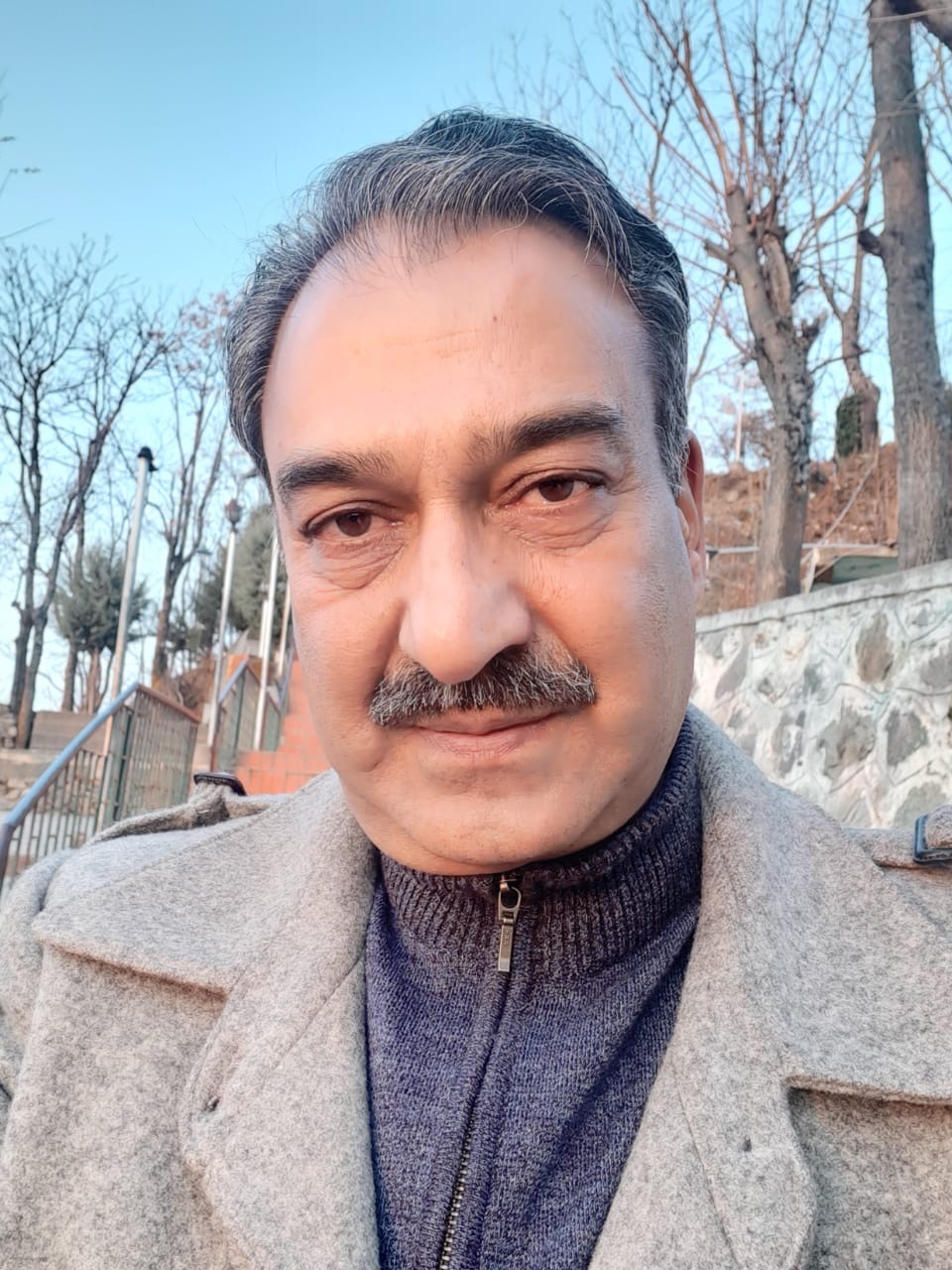
Through this grief, I have learned something fundamental about parenting. Children thrive when they feel safe, and they feel safe when love is unconditional. My relationship with my father was not without imperfections, but never once did I doubt his love. I could fail, rebel, grow, and begin again, knowing that love was never at stake. I was raised through the lens of unconditional love, and I thrived because of it.
As I grew older, people often told me I look like you. My face, my voice, my gestures. But I wonder, do I carry your heart? Your kindness? Your courage? Your strength to endure quietly? Your smile that made the world feel safer? They say people who love each other begin to resemble one another. If that is true, I carry that resemblance with immense pride.
You were the quiet strength of our family, gentle, steadfast, deeply loving. A devoted son, a loyal husband, a patient and affectionate father. You made people feel safe simply by being present. When my brother showed me the last things in his pocket, my photograph and my visiting card, I wondered if anyone would ever love me, believe in me, or be proud of me the way you were. You are my earliest memory. I do not know the world without you, and I am still learning how to exist in one where you are absent.
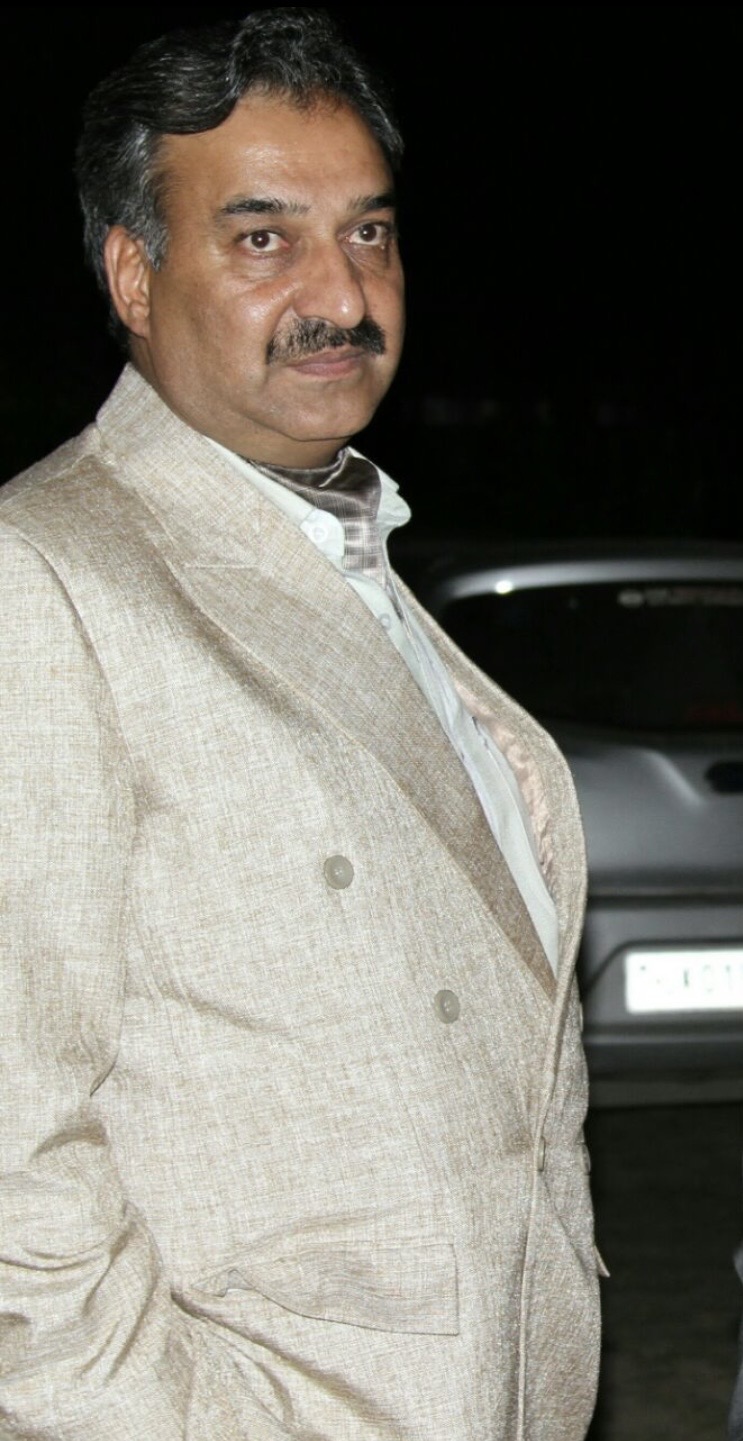
Eid, Kashmir, celebrations, joy itself, all feel altered without you. This past year has been filled with firsts. The first Eid, birthday, journey, New Year, and Father’s Day without you. Life continues with its routines, but grief arrives unannounced, raw and unfiltered. Today is one such day. I grieve because I miss my father.
Inheritance is not always material. Sometimes, it is a good name, a lasting reputation, a quiet legacy of goodness that precedes you wherever you go. Thank you, Dad, for your love, your principles, your humour, your contradictions, and your unwavering faith in me. Thank you for being my constant ally, my fiercest supporter, my home.

Comments are closed.