

Qysar Ul Islam Shah
“At present, Lolab survives on a single access route through Kupwara, making it one of the most isolated regions in North Kashmir. For nearly 2.7 lakh people, this isolation translates into long journeys, lost time, and heightened vulnerability. Connectivity here is not about convenience—it is about survival.”
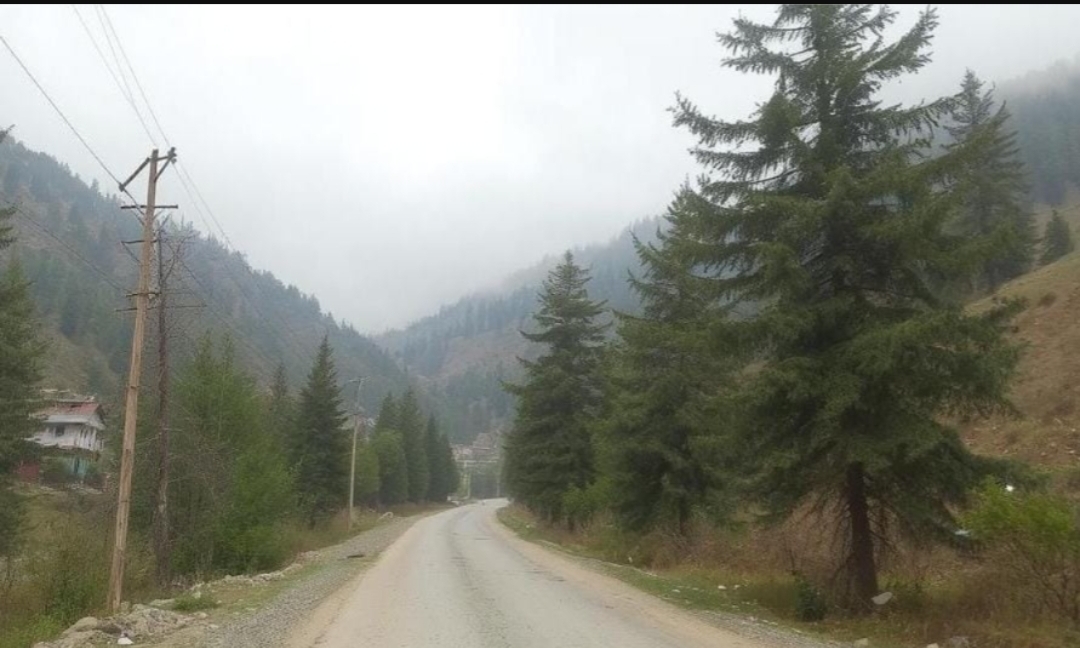
In the northern reaches of Kashmir lies Lolab, a valley that quietly carries extraordinary natural beauty, rich cultural heritage, and deep historical significance. Nestled amid the breathtaking landscapes of North Kashmir, Lolab is often described as one of the most picturesque valleys of the region. Its oval-shaped geography, dotted with ancient springs, flowing brooks, dense forests, and fertile orchards, gives it a timeless charm that leaves every visitor spellbound. Yet, despite being blessed with nature’s abundance, Lolab has long remained on the margins of development, waiting patiently for progress and meaningful connectivity.
For generations, the people of Lolab have lived close to nature, nurturing orchards heavy with fruit and preserving traditions that reflect the valley’s cultural depth. The land has produced iconic personalities who have made Kashmir and the nation proud, including the great Islamic scholar Allama Anwar Shah Kashmiri and IAS topper Dr. Shah Faesal, among many other intellectuals and professionals. From the serene stretches of Lolab to the equally charming valleys of Lalpora, Sogam, Chandigam, and nearby areas, each place offers a unique experience. Hospitality, heritage, adventure, and tranquility coexist here in harmony. The valley is home to majestic mountains, mysterious caves, crystal-clear springs, and an abundance of walnut trees. Its traditional wooden houses, built with indigenous skill and aesthetic sense, stand as living symbols of architectural heritage and deserve urgent preservation and promotion as cultural sites.
Despite all this, Lolab’s immense potential for tourism and economic growth has remained largely untapped. Poor infrastructure, particularly the lack of reliable road connectivity, has acted as the biggest barrier. This neglect becomes even more painful when one considers the long-awaited Lolab–Bandipora road project. Initiated in 2008, this road has come to symbolize not just a development plan but the collective aspirations of the people for dignity, opportunity, and a better future. For the residents, it represents hope—hope for connectivity, prosperity, and inclusion.
For years, netizens, intellectuals, civil society members, and ordinary citizens have consistently demanded the construction of the Lolab–Bandipora road or tunnel. The project is seen as vital for boosting trade, tourism, and commercial activity, while also reducing travel distance and strengthening social ties between regions. Unfortunately, repeated delays and official indifference have left people disheartened. There is a growing belief among locals that the project has been deliberately stalled, possibly due to vested interests. Many feel that a few influential and affluent individuals do not want this road to be completed, fearing a shift in economic and social dynamics.
If completed, the Lolab–Bandipora road would provide an alternative route to Bandipora district and significantly reduce the distance between Lolab, Kupwara, and Srinagar by nearly 35 kilometers. More importantly, it would connect two regions not only geographically but emotionally and economically. Locals believe that such connectivity would encourage cultural exchange, strengthen relationships, and open doors to new opportunities for development on both sides.
At present, Lolab has only one access route to the rest of Kashmir, which passes through Kupwara. This single road is the valley’s only link for social, economic, and administrative engagement. For a population of nearly 2.7 lakh people spread across the two districts, this isolation has severe consequences. The journey from Lolab to Srinagar—via Kupwara and Sopore—extends over 150 kilometers and often takes more than three hours. During harsh winters, landslides, snowfall, and road blockages make this journey even more dangerous and unpredictable.
The lack of connectivity poses serious risks, particularly in medical emergencies. Critically ill patients often face life-threatening delays while being transported to Srinagar for advanced treatment. A road that could reduce travel time to just 90 minutes is not merely a convenience—it is a lifeline. Shorter travel distances would not only ease business and trade but also save precious lives during emergencies. Elderly people and patients suffering from chronic illnesses are especially vulnerable to the physical strain and uncertainty of long travel routes.
As a resident of the Lolab valley, I have personally witnessed these struggles. My pen trembles as I write, because these words carry lived pain and unfulfilled hopes. During my student years, especially while appearing for competitive and SSRB examinations, reaching exam centers was an ordeal. One had to leave home almost a week in advance just to ensure timely arrival. In winter, the situation becomes even more challenging, turning simple aspirations into uphill battles. Such hardships silently crush the confidence of young aspirants and limit their opportunities.
The valley deserves more than repeated assurances and empty promises. It deserves action, compassion, and accountability. Tourism could become our lifeline, offering employment, entrepreneurship, and sustainable growth. Lolab has all the ingredients needed for success—natural beauty, cultural richness, and resilient people. What it lacks is the infrastructure to connect it to the world beyond. The Lolab–Bandipora road is that missing link, the single thread that can bind the valley to opportunity and progress.
Beyond its economic benefits, this road carries emotional and symbolic significance. It stands for inclusion, justice, and equal development. It is imperative for those in power to rise above administrative hurdles and funding delays and prioritize this project at the earliest. Investment in infrastructure is an investment in people, in stability, and in the future of North Kashmir.
The Lieutenant Governor’s administration must take decisive steps to ensure the timely completion of the Lolab–Bandipora road. Such an initiative would restore public faith, uplift lives, and unlock the vast potential of the region. It would create opportunities for generations to come and transform a long-neglected valley into a thriving hub of tourism, trade, and cultural exchange. Where Lolab meets Bandipora, a road must finally meet hope.
Author is the Resident of Lolab, Kupwara. He can be mailed at farhaanqysar@gmail.com

Comments are closed.