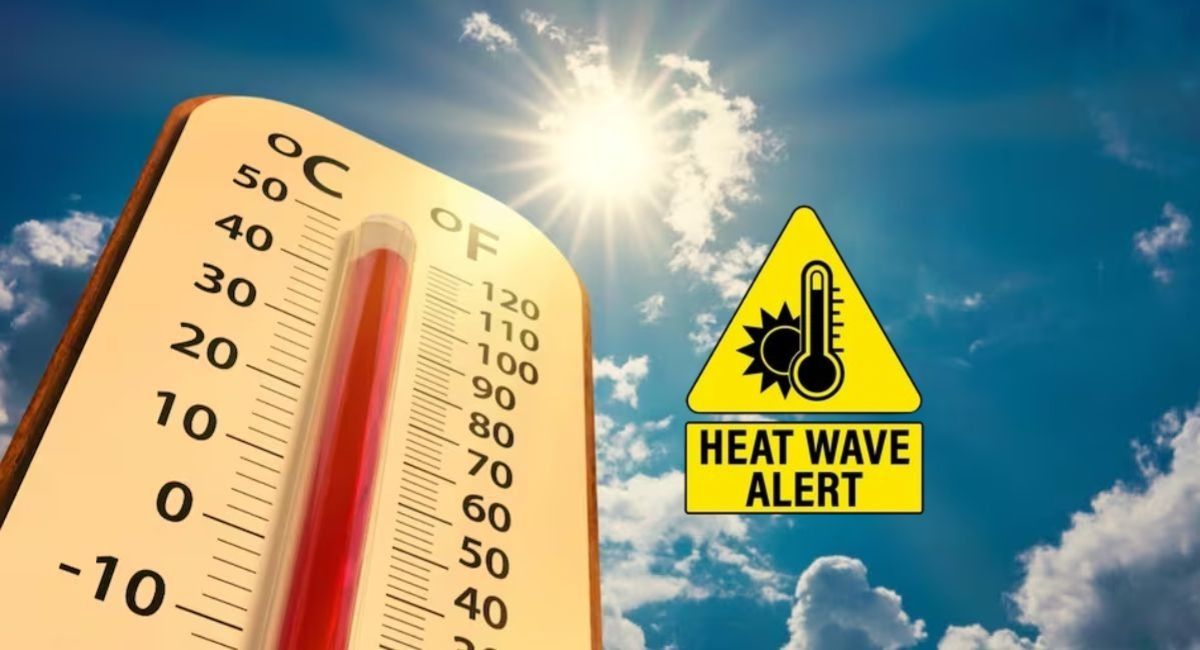
SRINAGAR, JULY 09: As Kashmir continues to reel under a persistent heatwave, health professionals have advised residents to take precautions against dehydration and heat-related illnesses, particularly those working outdoors.
Doctors have stressed the importance of increasing water intake even when not thirsty, and avoiding direct sunlight during peak hours.
Dr Waseem, Assistant Professor at a prominent medical college in Kashmir, told Kashmir Convener that outdoor workers such as farmers and labourers are most vulnerable. “Drink sufficient water throughout the day. Schedule work during cooler hours—early morning or evening—and avoid midday sun exposure. Include fruits, vegetables, and electrolyte-rich fluids like coconut water and fresh juices,” he said.
He added that extreme heat could cause fatigue, dizziness, muscle cramps, low blood pressure, headaches, and palpitations.
Dr Saima Jan, a senior physician, recommended full-sleeved clothing to protect against sun exposure and insect bites, especially for those working in paddy fields. “Field workers must increase fluid intake to prevent dehydration,” she said.
Doctors also warned that individuals with heart disease or hypertension face elevated risks. They advised against excessive consumption of tea, coffee, and caffeinated beverages, which can aggravate dehydration. “Opt for cooling foods like melons, citrus fruits, and salads. Avoid spicy dishes that increase thirst. Light-coloured, loose-fitting clothing is preferable,” they said.
Dr Murtaza Khan, a general physician, described heatstroke as a medical emergency. “The body’s cooling system fails, and body temperature rises to dangerous levels. Without prompt treatment, it can become life-threatening,” he said. Early recognition of confusion, dizziness, nausea, and fainting is critical, he added.
Dr Bilal, Professor of Community Medicine at GMC Srinagar, flagged the risks of consuming uncovered street food, cut fruits, and cooked rice or meat left out for extended periods. “A healthy Kashmir begins with safe choices. Stay cool, stay hydrated, eat safe, and protect yourself and your loved ones,” he said.
Cardiologists have recorded blood pressure fluctuations among hypertensive patients, increasing the risk of strokes and heart attacks. “Such cases have been reported in Kashmir over the last few weeks,” an expert said.
Schools remain closed for summer break in line with government directives.
Independent weather forecaster Faizan told Kashmir Convener that the valley may experience its hottest days of the season, with some temperature records already broken. Humid conditions are expected to continue, with possible monsoon showers in parts of Jammu. “Water scarcity is the biggest challenge for the people and government of Jammu & Kashmir. Climate change cannot be reversed, but adaptation measures must be implemented urgently,” he said.
Meanwhile, The Meteorological Centre Srinagar has forecast hot and humid weather across J&K on July 10, with rain and thundershowers at scattered places and brief intense showers at isolated locations in the Jammu division.
On July 11 and 12, one or two spells of rain and thundershowers are expected at many places, with heavy rainfall and brief intense showers likely at isolated spots in the Chenab Valley and Pir Panjal range. From July 13 to 16, weather will remain generally hot and humid, with isolated brief showers in Jammu.
In its advisory, the MET Centre warned of possible flash floods, landslides, and mudslides at vulnerable locations in the Chenab Valley and Pir Panjal range on July 11–12. Residents and travellers have been advised to avoid nallas, streams, and mudslide-prone areas during heavy rainfall.


Comments are closed.