SRINAGAR, JULY 8: Six years after the scrapping of Article 370, Kashmir is witnessing a transformation that its residents say has redefined their everyday existence. From bustling midnight markets to full houseboat bookings and young entrepreneurs launching startups, the valley appears to be turning a page on its turbulent past.
The constitutional change of August 5, 2019, which stripped Jammu and Kashmir of its special status and bifurcated it into two Union Territories, has triggered a visible shift in the security and development landscape.
Official figures accessed Kashmir Convener indicate a significant drop in violence, with local terrorist recruitment falling from 129 in 2019 to just one in 2025. Terrorist killings have come down from 266 in 2018 to 10 so far this year, with security forces and civilians reporting only one fatality each.
The dismantling of the separatist ecosystem through a crackdown on terror financing and arrests of secessionist leaders has further isolated active militants, officials said.
The NIA’s sustained operations against the Over Ground Worker (OGW) network have also contributed to the relative calm.
On the development front, the government has highlighted major infrastructure projects that are reshaping the region. The Udhampur-Srinagar-Baramulla Rail Link is now fully operational, while the Zoji La Tunnel and a new terminal at Jammu Airport are expected to boost all-weather connectivity. Daily flights to Srinagar have jumped from 35 in 2019 to 125 in 2024, and tourist footfall has seen a sharp uptick.
New educational and healthcare institutions, including IIT Jammu and AIIMS Awantipora, are expanding access, and the government claims over Rs 80,000 crore in investments have flowed into the region since the abrogation.
Politically, elections were held in September 2024 after eight years of central rule, with the National Conference emerging as the largest party. However, the elected government continues to function with limited authority, with real power vested in the Lieutenant Governor. The demand for full statehood remains a key political issue.
For the people of Kashmir, the change is more than statistics. “I never thought I would see a day when my children could walk to school without the fear of gunfire,” said Mohammad Ashraf, a shopkeeper in downtown Srinagar. “For years, we lived under the shadow of violence. Now, there is a sense of relief, even if it is fragile.”
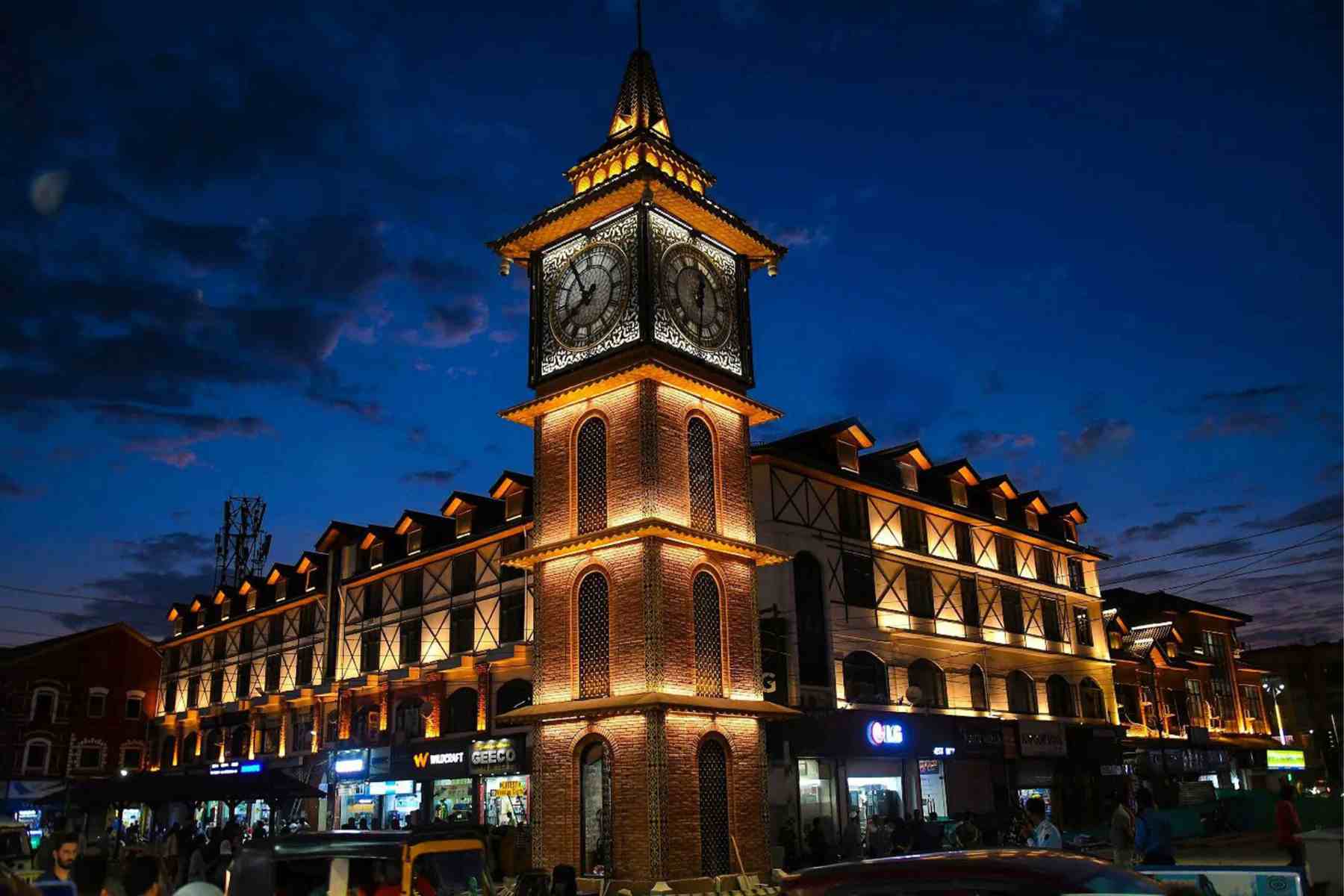
The economic impact is visible across sectors. “For years, our shops would close by evening. Now, the markets are alive until midnight,” said Tariq Ahmed, a fabric shop owner. “People are spending money. There is a buzz in the air. It feels like Kashmir has finally woken up after a long sleep.”
Tour operators are among the biggest beneficiaries. “I used to survive on just a handful of tourists each year. Now, I have bookings for the entire season,” said Ghulam Nabi, who runs a houseboat on Dal Lake. “After 2019, people started coming from everywhere—even from countries I had never heard of. My children are now learning English to speak with them. This is the development we always wanted but never received.”
For women, the change has been particularly significant. “We were always told to stay indoors, to keep our heads down. Now my daughter is studying engineering at IIT Jammu,” said Fatima Bhat, a homemaker from Anantnag. “I never imagined this for my family. For the first time, I feel like we belong to something bigger than our sorrow.”
Perhaps the most telling shift is in the aspirations of the younger generation. “Earlier, parents would pray that their children just survive the day. Today, they ask what career they want to pursue,” said Dr. Naseer Ahmad, a prominent physician in Srinagar. “That shift in aspiration is the true measure of change. We are no longer just surviving—we are planning for the future.”
Shahid Dar, a young entrepreneur who recently launched a tech startup in Srinagar said, “My father used to tell me that his only dream was to see me alive. Now, I am building a company with 15 employees. That’s not just development—that is a revolution in mindset,” he said.
While the old normal of conflict has been replaced by a new reality, challenges remain. Political uncertainty over statehood and the fragile nature of peace continue to keep many Kashmiris anxious. Yet, for now, the valley is experiencing a phase of relative calm and cautious optimism, with residents hoping that the dividends of development will continue to reach every household.


Comments are closed.